How to Cut Back Chives
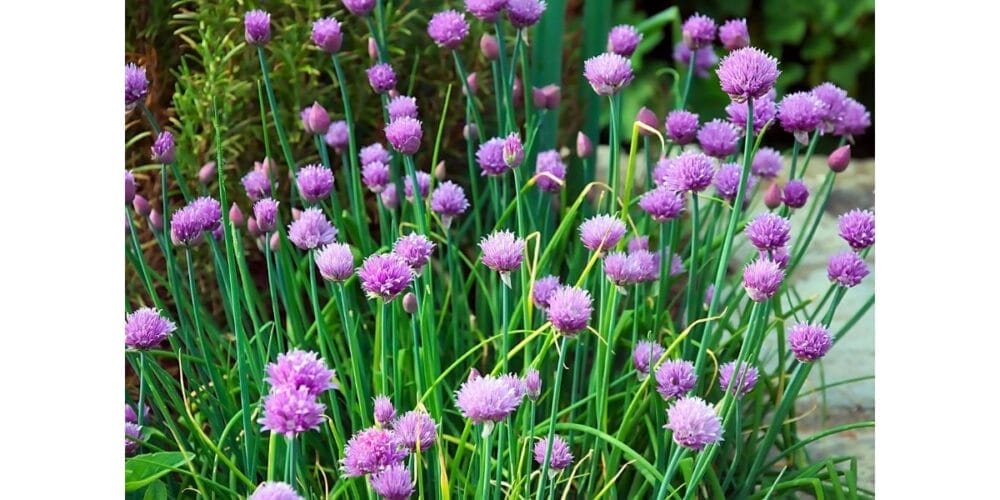
Chives are one of the easiest and most rewarding herbs to grow. Whether planted in garden beds, containers, or kitchen windowsills, chives provide a steady supply of mild onion-flavored leaves and beautiful purple blossoms. However, many gardeners are unsure how to cut back chives properly and often wonder what to do with chive flowers once they appear.
In this blog, we’ll cover the right way to cut back chives, the best time to harvest, and creative ways to use chive blossoms—so you get the maximum flavor, growth, and beauty from your plants.
Table of Contents
Why Cutting Back Chives Is Important
Regularly cutting back chives isn’t just about harvesting leaves—it directly affects plant health and productivity.
Benefits of Cutting Back Chives
- Encourages fresh, tender leaf growth
- Prevents plants from becoming woody or overcrowded
- Redirects energy from flowering to leaf production
- Keeps plants neat and manageable
- Extends the harvest season
Without trimming, chives can flower heavily, slowing down leaf growth and reducing flavor.
When to Cut Back Chives
Timing plays a key role in successful chive maintenance.
Best Time to Harvest Chives
- Begin harvesting when leaves are 6–8 inches tall
- Harvest throughout spring and summer
- Early morning is ideal for the best flavor and moisture content
When to Cut Back Heavily
- After flowering
- When leaves start turning yellow or thin
- At the end of the growing season
- After transplant shock or pest damage
Chives are hardy perennials and respond well even to aggressive trimming.
Also Read: How to Start an Agriculture Blog: A Step-by-Step Guide
How to Cut Back Chives Properly
Cutting chives the right way ensures quick regrowth and healthier plants.
Step-by-Step Guide to Cutting Back Chives
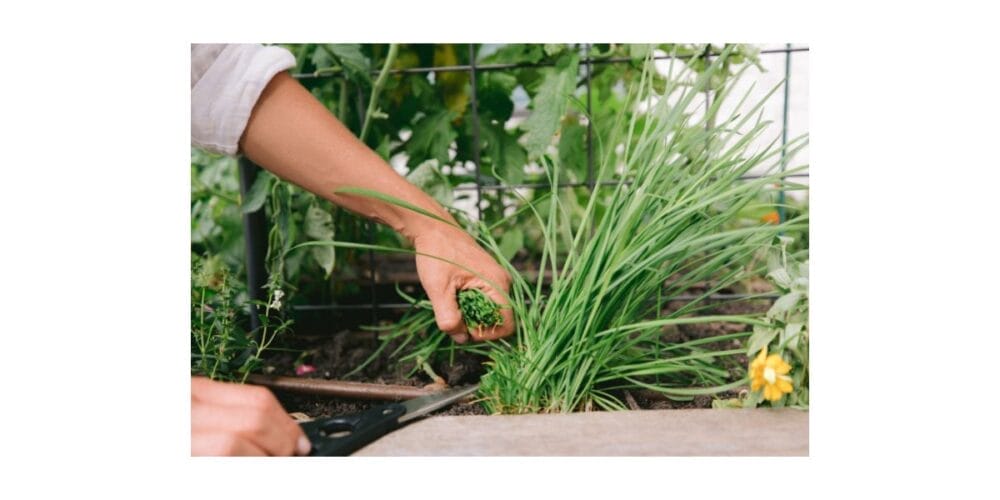
- Use clean, sharp scissors or garden shears
This prevents disease and creates clean cuts. - Cut from the base
Trim leaves about 1–2 inches above the soil. Avoid cutting just the tips repeatedly. - Never remove more than one-third at once
This keeps the plant strong and stress-free. - Remove older outer leaves first
Younger inner leaves will continue growing. - Trim flower stalks separately
Cut flower stems down to the base once blooms fade or if you want more leaves.
After cutting, water the plant lightly to encourage new growth.
How Often Should You Cut Back Chives?
- Light harvest: Every 2–3 weeks
- Heavy cutback: Once flowering begins
- End-of-season trim: Late autumn or early winter
Regular trimming keeps chives lush, green, and productive year-round.
Understanding Chive Blossoms
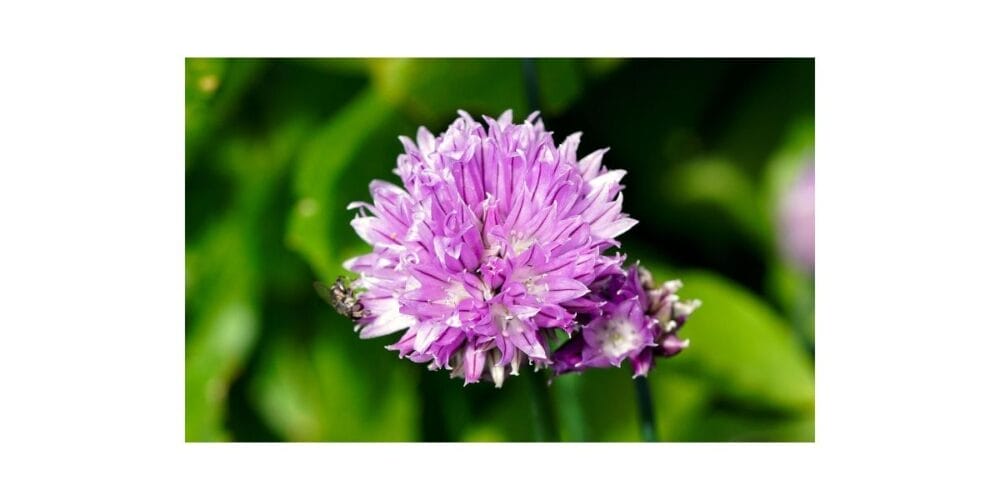
Chive blossoms are small, round, purple flowers that appear in late spring or early summer. While many gardeners remove them to boost leaf growth, chive flowers are completely edible and highly useful.
Should You Let Chives Flower?
- Yes, if you want blossoms for culinary or ornamental use
- No, if leaf production is your priority
A balanced approach is best—allow some flowers to bloom, then trim them back.
Also Read: Which Mango is Best? A Guide to the King of Fruits.
What to Do with Chive Blossoms
Instead of throwing them away, put chive blossoms to good use.
1. Use Chive Blossoms in Cooking
Chive flowers have a mild onion flavor and add visual appeal.
Ways to use them:
- Sprinkle petals over salads and soups
- Garnish omelets, pasta, and baked potatoes
- Mix into cream cheese or butter
- Add to homemade dips and sauces
Separate the florets for even flavor distribution.
2. Make Chive Blossom Vinegar
Chive blossom vinegar is both beautiful and flavorful.
How to make it:
- Fill a glass jar with clean chive blossoms
- Cover with white wine vinegar or apple cider vinegar
- Seal and store for 1–2 weeks
- Strain and use in dressings or marinades
The vinegar turns pink-purple and adds a subtle onion note.
3. Preserve Chive Blossoms
You can store chive blossoms for later use.
Preservation methods:
- Dry petals for seasoning blends
- Freeze blossoms in ice cubes
- Infuse oil for short-term use (refrigerated)
4. Support Pollinators
If you don’t need the flowers immediately, let them bloom.
- Chive blossoms attract bees and beneficial insects
- Improve pollination in nearby plants
- Enhance garden biodiversity
Just remember to cut back the flower stalks once blooming ends.
Also Read: The Flowering Rose: A Timeless Symbol of Beauty and Love
What to Do After Chives Finish Flowering
Once flowering is complete:
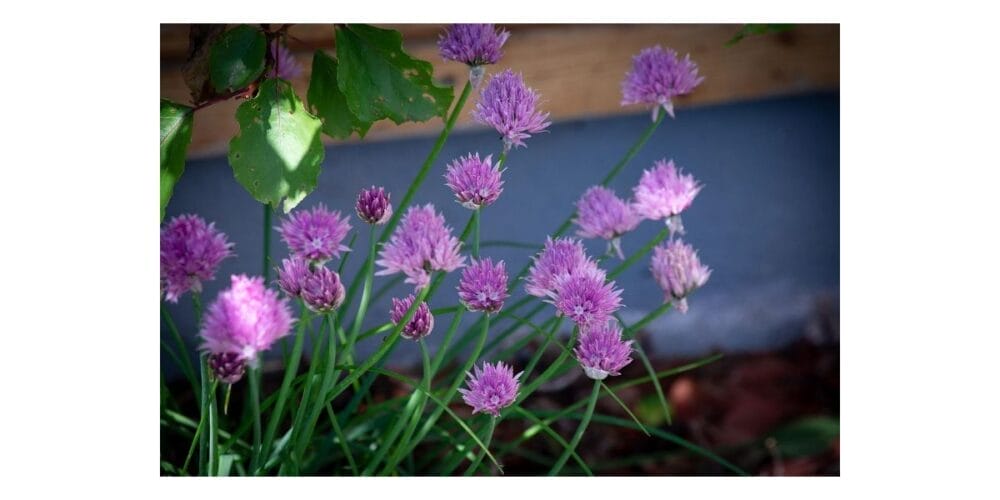
- Cut flower stalks down to the base
- Trim leaves if they look tired
- Apply light compost or organic fertilizer
- Water deeply
This helps the plant recover quickly and produce fresh leaves again.
Common Mistakes to Avoid
- Cutting only leaf tips repeatedly
- Letting all flowers go to seed
- Harvesting too late in the season
- Using blunt or dirty tools
- Removing too much growth at once
Avoiding these mistakes keeps chives productive for years.
Final Thoughts
Knowing how to cut back chives and what to do with their blossoms transforms this simple herb into a high-yield, multi-purpose garden favorite. With proper trimming, chives grow thicker, greener, and more flavorful. Meanwhile, their blossoms offer culinary, decorative, and ecological benefits.
By harvesting wisely and using both leaves and flowers, you’ll enjoy healthier plants and less waste—making chives one of the most rewarding herbs in any garden.
Also Read: About How to cut back chives and what to do with their blossoms on Gardenary.com Site
-

-

-

-

-

-

-

-

-

-

-

-

-

-

-

-

-

-

-

-

-
-
-
-
-
-
-
-
-
-

-
-
-
-

-
-

-

-

-
-

-

-

-
-

-

-

-

-

-

-