Kale Growing
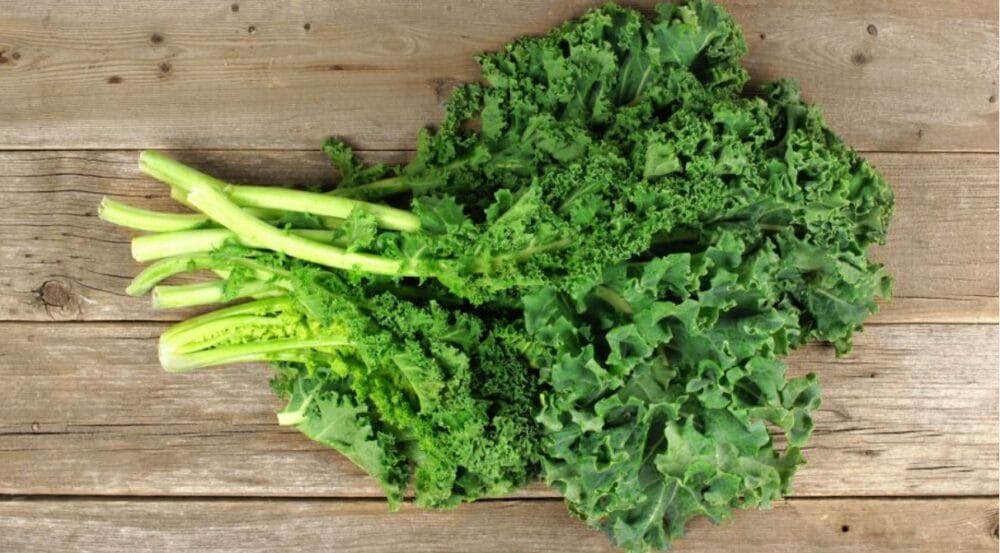
Kale is one of the most nutritious leafy greens and a favourite among health-conscious gardeners. Known for its rich vitamins, minerals, and antioxidants, kale is easy to grow and adapts well to home gardens, containers, and even balconies.
Whether you’re a beginner or an experienced gardener, growing kale can be rewarding and low-maintenance. This guide covers everything you need to know—from soil preparation to harvesting—so you can enjoy fresh, homegrown kale year-round.
Table of Contents
Why Grow Kale?
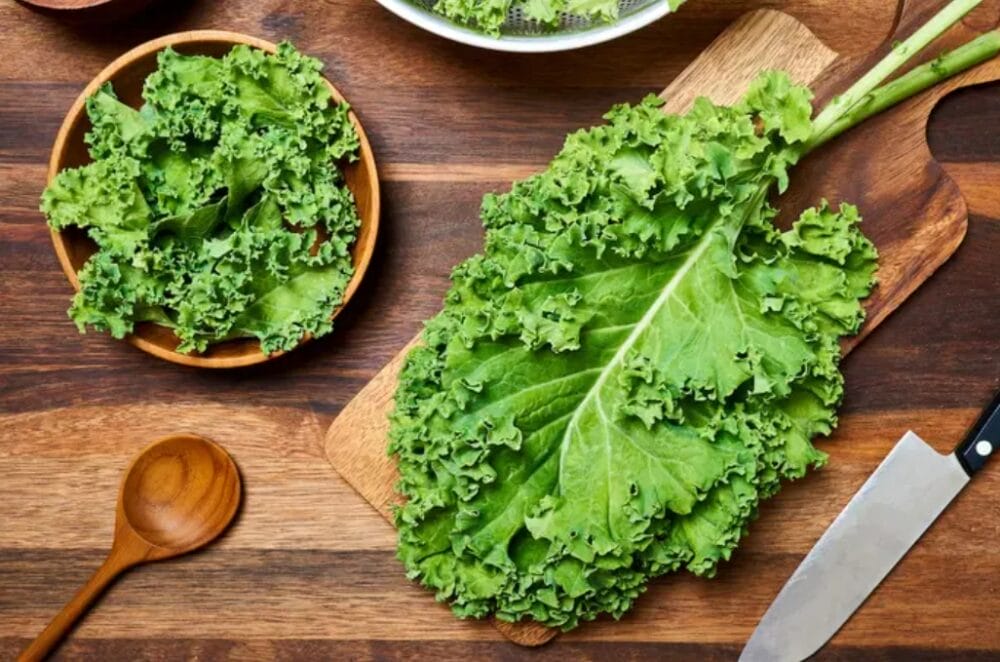
Kale is a cool-season crop that thrives in mild temperatures. It grows quickly, produces leaves continuously, and can tolerate light frost, which actually improves its flavor. Kale is also highly versatile in the kitchen, used in salads, smoothies, soups, and stir-fries.
With minimal care, you can harvest fresh leaves for several months from a single plant
Nutritional Value of Kale (Per 100 g)
| Nutrient | Amount |
|---|---|
| Energy | 49 kcal |
| Water | 84.0 g |
| Protein | 4.3 g |
| Carbohydrates | 8.8 g |
| Dietary Fiber | 3.6 g |
| Sugars | 2.3 g |
| Fat | 0.9 g |
| Vitamin A | 681 µg |
| Vitamin C | 120 mg |
| Vitamin K | 817 µg |
| Vitamin E | 1.5 mg |
| Vitamin B6 | 0.27 mg |
| Folate (B9) | 141 µg |
| Calcium | 150 mg |
| Iron | 1.5 mg |
| Magnesium | 47 mg |
| Phosphorus | 92 mg |
| Potassium | 491 mg |
| Sodium | 38 mg |
| Zinc | 0.6 mg |
| Copper | 0.05 mg |
| Manganese | 0.77 mg |
| Omega-3 Fatty Acids | 0.18 g |
| Omega-6 Fatty Acids | 0.04 g |
Best Climate and Season for Growing Kale
Kale grows best in cool weather, with ideal temperatures between 10°C and 25°C. In India, kale can be grown:
- Winter season in most regions
- Early spring or autumn in mild climates
Hot weather can make kale leaves bitter, so it’s best to avoid peak summer unless you can provide partial shade.

Also Read: Turnip Cultivation: A Complete Guide for Successful Farming
Soil Preparation
Healthy soil is the foundation of successful kale growing.
- Soil type: Well-drained, loamy soil rich in organic matter
- pH level: Slightly acidic to neutral (pH 6.0–7.0)
- Soil preparation:
- Mix compost or well-rotted manure into the soil
- Loosen soil to improve root development
For container growing, use a high-quality potting mix with added compost.
How to Plant Kale
From Seeds
- Sow seeds 1–1.5 cm deep
- Space seeds 30–45 cm apart
- Germination occurs within 5–10 days
From Seedlings
- Transplant seedlings when they have 4–5 true leaves
- Handle roots gently to avoid stress
Kale can be grown directly in garden beds, raised beds, or pots that are at least 20–25 cm deep.
Sunlight Requirements
Kale grows best in full sun, receiving at least 5–6 hours of sunlight daily. In warmer regions, partial shade during afternoon hours helps prevent leaf bitterness and wilting.
Watering Schedule
Consistent watering is key to tender, flavorful kale leaves.
- Water 2–3 times per week, depending on weather
- Keep soil moist but not waterlogged
- Mulching helps retain moisture and regulate soil temperature
Irregular watering can cause tough leaves and slow growth.
Fertilization
Kale is a leafy green and benefits from nitrogen-rich nutrients.
- Apply compost every 3–4 weeks
- Use organic liquid fertilizers like:
- Vermicompost tea
- Fish emulsion
- Seaweed extract
Avoid over-fertilizing, as it may reduce flavor and attract pests.
Also Read: Top 7 Organic Fertilisers for Coconut Trees
Pest and Disease Management
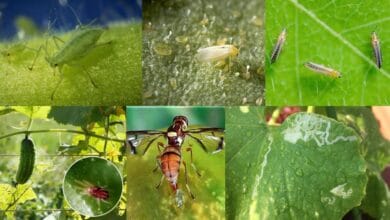
Common pests include aphids, cabbage worms, and flea beetles.
Preventive measures:
- Spray neem oil or soapy water weekly
- Use net covers to protect plants
- Remove damaged leaves regularly
Kale is generally disease-resistant, but good airflow and proper spacing help prevent fungal issues.
Harvesting Kale
Kale is ready to harvest 50–70 days after planting.
- Harvest outer leaves first
- Leave the central growing point intact
- Regular harvesting encourages continuous growth
Young leaves are tender and ideal for salads, while mature leaves are better for cooking.
Growing Kale in Containers
Kale grows very well in pots, making it perfect for balconies and terraces.
- Choose containers with drainage holes
- Use nutrient-rich potting mix
- Place in a sunny location
- Water regularly, as containers dry out faster
Benefits of Growing Kale at Home
- Fresh, chemical-free produce
- Cost-effective and sustainable
- High nutritional value
- Continuous harvest from one plant
Growing kale at home ensures a steady supply of one of the healthiest greens available.
Frequently Asked Questions (FAQ)
1. How long does kale take to grow?
Kale takes about 50–70 days to mature, but baby leaves can be harvested earlier.
2. Can kale grow in hot weather?
Kale prefers cool temperatures. In hot climates, provide shade and regular watering to prevent bitterness.
3. How often should I water kale plants?
Water 2–3 times per week, keeping the soil consistently moist.
4. Can kale be grown indoors?
Yes, kale can be grown indoors near a sunny window or under grow lights.
5. How many times can kale be harvested?
Kale can be harvested multiple times over several months if the central bud remains intact.
6. Why are my kale leaves bitter?
Bitterness is usually caused by heat stress, lack of water, or over-mature leaves.
7. Is kale easy to grow for beginners?
Yes, kale is one of the easiest leafy greens to grow and is ideal for beginner gardeners.
Also Read: Kale
-
-
-
-

-

-

-
-
-
-
-
-

-
-
-
-
-

-

-
-
-

-
-
-
-
-

-
-
-

-
-
-
-
-
-

-

-
-
-

-

-
-

-
-
-
-
-
-
-

-