Cardoon Cultivation
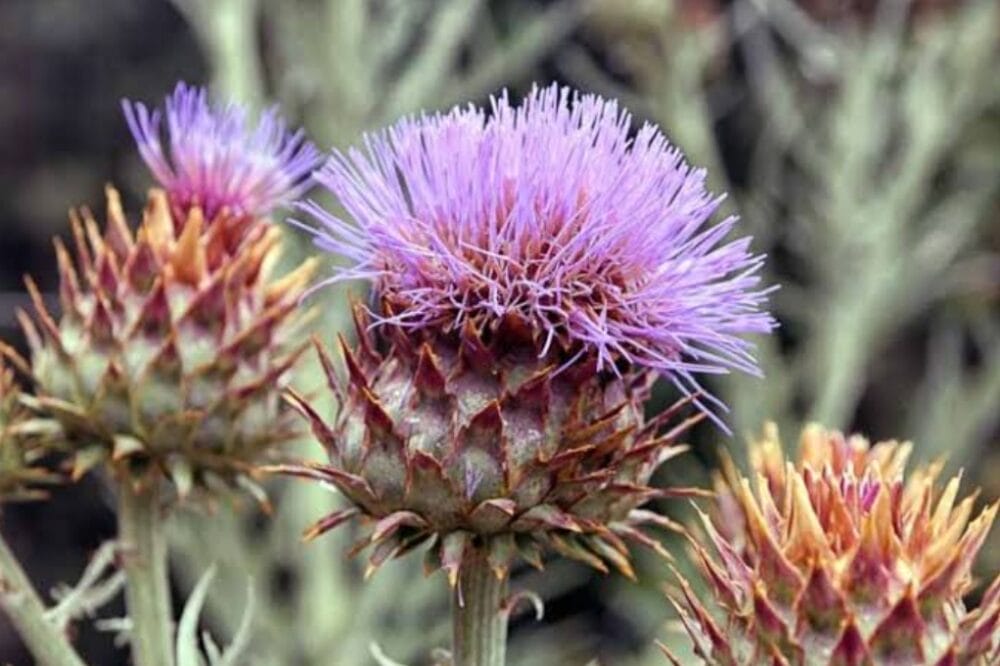
Cardoon (Cynara cardunculus) is a unique, hardy perennial vegetable closely related to the globe artichoke. Native to the Mediterranean region, cardoon is prized for its thick, fleshy leaf stalks, which are widely used in European cuisine.
Although less common in home gardens, cardoon cultivation is gaining popularity due to its impressive nutritional value, ornamental appeal, and adaptability. This guide explains everything you need to know to grow cardoon successfully—from soil preparation to harvest.
Understanding the Cardoon Plant
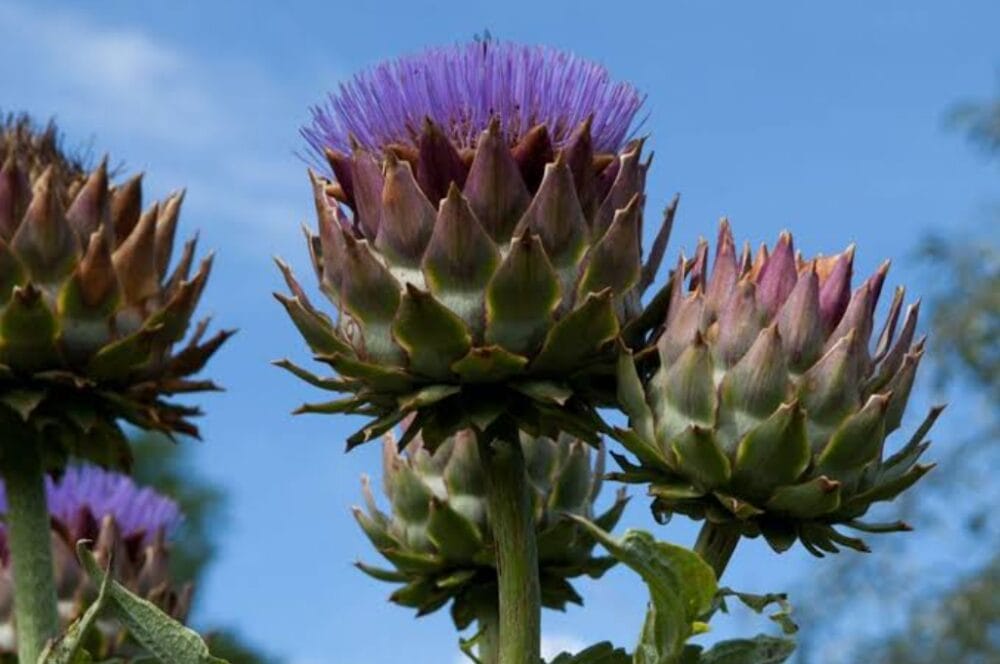
Cardoon is a large, thistle-like plant that can grow up to 4–5 feet tall and equally wide. It produces silvery-green, deeply lobed leaves and striking purple flowers if allowed to bloom. While the plant is perennial in mild climates, it is often grown as an annual in colder regions. The edible part of cardoon is the blanched leaf stalks, not the flower buds like artichokes.

Climate and Soil Requirements
Cardoon thrives in cool to moderate climates and prefers full sunlight. It grows best in temperatures between 15°C and 25°C. While it can tolerate light frost, prolonged freezing may damage the plant.
For best results:
- Soil type: Deep, fertile, well-drained loamy soil
- Soil pH: Slightly acidic to neutral (6.0–7.5)
- Sunlight: Full sun (6–8 hours daily)
Before planting, enrich the soil with well-rotted compost or farmyard manure to support the plant’s heavy nutrient needs.
Also Read: Top 10 Benefits of Organic NPK Fertilizers for healthy plants
Propagation and Planting
Cardoon is typically grown from seeds.
Seed sowing steps:
- Sow seeds indoors or in seed trays 6–8 weeks before the last frost.
- Plant seeds about 1 cm deep.
- Maintain soil moisture and temperature around 18–22°C.
- Germination occurs in 10–14 days.
Once seedlings reach 10–15 cm in height, transplant them into the garden with spacing of about 90–120 cm between plants to allow ample growth.Watering and Fertilization
Cardoon requires regular watering, especially during dry periods. The soil should remain consistently moist but not waterlogged. Mulching around the plant helps conserve moisture and suppress weeds.
Fertilization tips:
- Apply balanced organic fertilizer every 3–4 weeks
- Use nitrogen-rich compost to encourage leafy growth
- Avoid over-fertilization, which can lead to excessive foliage and weak stalks
Blanching method:
- Tie the leaves together gently once stalks reach full size
- Wrap the base with straw, burlap, or thick paper
- Leave covered for 2–3 weeks before harvesting
This process blocks sunlight, making the stalks pale, tender, and less bitter.
Pest and Disease Management
Cardoon is relatively pest-resistant but may occasionally face problems.
Common pests:
- Aphids
- Slugs and snails
- Caterpillars
Diseases:
- Root rot (due to waterlogging)
- Powdery mildew in humid conditions
Use organic pest control methods like neem oil, hand-picking pests, and proper spacing for airflow. Avoid overhead watering to reduce disease risk.
Also Read: Top 10 Health Benefits of Apple
Harvesting and Yield
Cardoon is ready for harvest 4–6 months after planting. Harvest the stalks at ground level once blanching is complete. A well-maintained plant can produce multiple stalks per season.
In perennial regions, cut the plant back after harvest and protect the crown with mulch to encourage regrowth in the next season.
Uses and Nutritional Value
Cardoon stalks are rich in fiber, antioxidants, calcium, and magnesium. They are commonly used in soups, stews, gratins, and traditional Mediterranean dishes. Besides culinary use, cardoon is valued for its ornamental beauty and soil-improving qualities.
Frequently Asked Questions (FAQ)
Q1. Is cardoon the same as artichoke?
No. While closely related, cardoon is grown for its leaf stalks, whereas artichoke is grown for its flower buds.
Q2. Can cardoon be grown in containers?
Due to its large size and deep root system, cardoon is not ideal for containers. It performs best in open ground.
Q3. How long does cardoon take to grow?
Cardoon takes about 4–6 months from sowing to harvest.
Q4. Do cardoon plants need pruning?
Only damaged or old leaves should be removed. Heavy pruning is not required unless overwintering.
Q5. Is blanching mandatory for cardoon?
Yes. Without blanching, cardoon stalks remain tough and bitter.
Q6. Can cardoon survive winter?
In mild climates, cardoon can overwinter with proper mulching. In colder regions, it is grown as an annual.
Final Thoughts
Cardoon cultivation may seem unusual, but with the right care and conditions, it rewards growers with a nutritious and visually stunning crop. Its low pest pressure, high yield, and culinary versatility make it an excellent choice for gardeners looking to try something different.
Whether you’re a home gardener or a small-scale farmer, cardoon is a Mediterranean treasure worth growing.
Also Read: Want a Bold Vegetable?
-

-
-
-
-
-

-

-

-
-
-
-
-
-

-

-

-

-
-

-

-
-

-

-
-

-

-
-

-

-

-
-

-
-
-
-

-

-

-
-

-

-

-
-

-

-

-

-
-

-