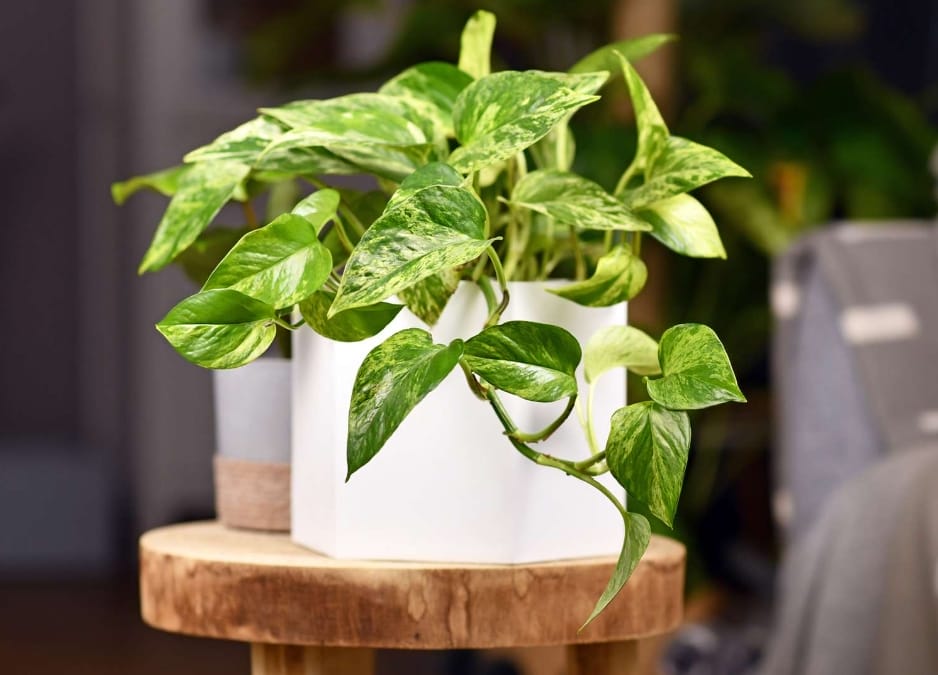
Pothos Indoor Plant
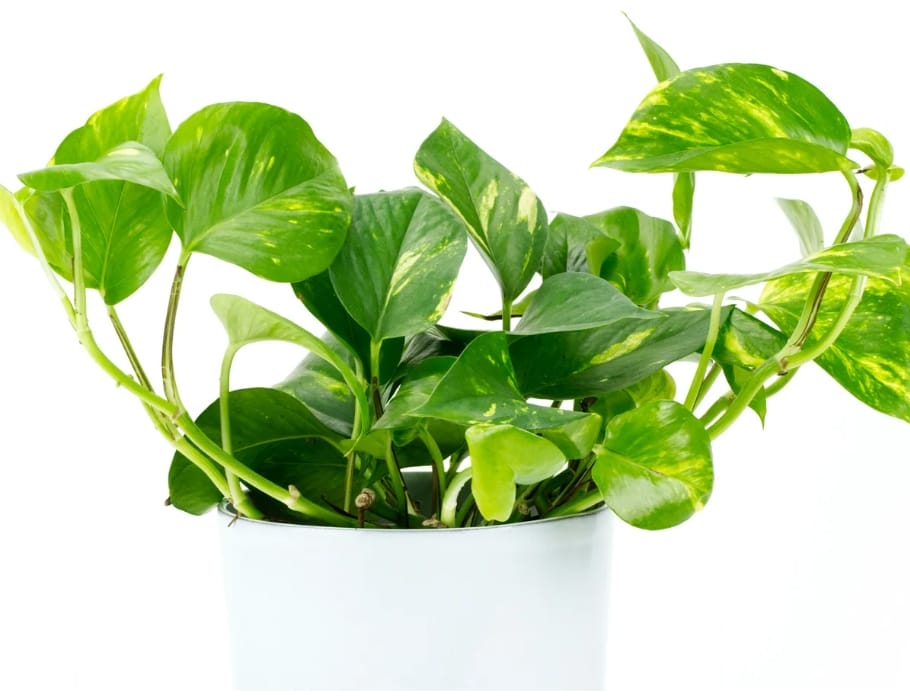
Pothos, commonly known as Money Plant or Devil’s Ivy, is one of the most popular indoor plants worldwide—and for good reason. Its heart-shaped green leaves, often variegated with yellow, white, or light green patterns, add instant beauty to homes and offices.
More importantly, pothos is extremely low-maintenance, making it ideal for beginners as well as experienced plant lovers.
Native to tropical regions, pothos adapts easily to indoor environments and continues to thrive even with minimal care. However, to keep your pothos healthy, bushy, and vibrant, it’s important to understand its basic care requirements.
This guide covers everything you need to know about pothos indoor plant care, from light and watering to pruning and pest control.
1. Light Requirements for Pothos
Pothos plants grow best in bright, indirect sunlight. Place them near a window where they can receive filtered light. Although pothos can tolerate low-light conditions, slow growth and dull leaf color may occur if light is insufficient.
Avoid placing pothos in direct sunlight, especially during hot afternoons, as this can scorch the leaves and cause yellow or brown patches. Variegated pothos varieties need slightly more light than solid green ones to maintain their beautiful patterns.

2. Ideal Soil for Pothos Plant
Well-draining soil is essential for pothos health. Use a light, airy potting mix that allows excess water to drain easily. A standard indoor potting mix combined with perlite or sand works well.
Poor drainage can lead to waterlogging and root rot, one of the most common problems in pothos plants. Always ensure the pot has drainage holes at the bottom to prevent water accumulation.
Also Read:7 Lucky Vastu Plants for Home: Bring Prosperity, Peace, and Positive Energy
3. Watering Schedule and Tips
Pothos prefers moderate watering. Water the plant only when the top 1–2 inches of soil feel dry to the touch. Overwatering can cause yellowing leaves, soft stems, and root rot.
In summer, pothos may require watering once or twice a week, while in winter, watering frequency should be reduced. Always empty excess water from the tray after watering to avoid soggy roots.
A clear sign that your pothos needs water is slightly drooping leaves, which usually recover quickly after watering.
4. Temperature and Humidity Needs
Pothos thrives in warm indoor temperatures between 18°C and 30°C. It does not tolerate cold drafts or sudden temperature changes, so keep it away from air conditioners and open windows during winter.
Although pothos adapts well to normal household humidity, it prefers slightly humid conditions. Occasional misting or placing the pot near other plants can help improve humidity, especially in dry climates.
Also Read:How to Grow a Money Plant at Home (With Easy Care Tips)
5. Fertilizing Pothos for Healthy Growth
Feed your pothos with a balanced liquid fertilizer once every 4–6 weeks during the growing season (spring and summer). Dilute the fertilizer to half strength to prevent fertilizer burn.
During winter, fertilizing is not necessary as plant growth slows down. Over-fertilization can cause leaf browning and weak growth, so moderation is key.
6. Pruning and Training the Plant
Regular pruning helps pothos maintain a full and bushy appearance. Trim long, leggy vines just above a leaf node using clean scissors. Pruning encourages new growth and improves the plant’s overall shape.
Pothos can be grown as a trailing plant in hanging baskets or trained to climb using a moss pole or trellis. Climbing pothos often develops larger leaves and stronger stems.
7. Common Pests and Diseases
Pothos is generally resistant to pests, but it may occasionally be affected by mealybugs, spider mites, or aphids. Inspect leaves regularly, especially the undersides.
If pests are noticed, wipe the leaves with a damp cloth or use neem oil or mild insecticidal soap. Avoid overwatering, as excessive moisture can invite fungal diseases and root rot.
8. Propagating Pothos Indoors
Pothos propagation is simple and rewarding. Cut a healthy vine with at least one node and place it in water or moist soil. Within a few weeks, roots will develop, and the cutting can be planted in a pot.
Propagation is a great way to create new plants, fill empty spaces in pots, or share pothos with friends and family.
Benefits of Growing Pothos Indoors
- Improves indoor air quality
- Low maintenance and beginner-friendly
- Enhances home décor
- Helps reduce stress and improve mood
- Grows well in water or soil
Frequently Asked Questions (FAQ)
Q1. Can pothos grow in low light?
Yes, pothos can survive in low light, but growth may be slower and leaf color less vibrant.
Q2. How often should I water my pothos plant?
Water when the top layer of soil feels dry, usually once a week depending on climate and season.
Q3. Why are my pothos leaves turning yellow?
Yellow leaves are often caused by overwatering, poor drainage, or low light conditions.
Q4. Is pothos safe for pets?
No, pothos is toxic to cats and dogs if ingested. Keep it out of reach of pets.
Q5. Can pothos grow in water permanently?
Yes, pothos can grow in water, but nutrients should be added occasionally for healthy growth.
Conclusion
Pothos is one of the easiest and most rewarding indoor plants to grow. With minimal care—proper light, moderate watering, and occasional pruning—this hardy plant can thrive for years and transform your indoor space into a green oasis.
Whether you’re a beginner or a seasoned gardener, pothos is a perfect addition to any home.
Also Read: How to Grow and Care for Pothos
-

-

-
-
-
-

-

-

-

-
-
-

-

-

-

-

-

-
-

-

-
-

-

-
-

-

-
-

-

-

-

-

-
-

-

-

-

-

-
-

-

-

-
-

-

-

-

-

-

-