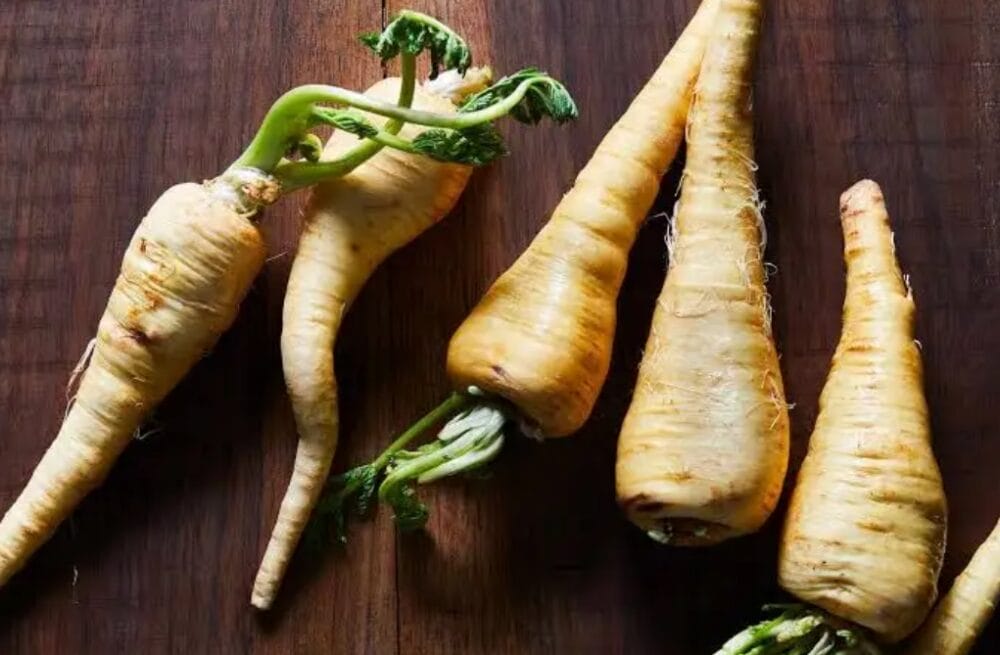
Parsnip (Pastinaca sativa) is a cool-season root vegetable prized for its sweet, nutty flavor and high nutritional value. Widely used in soups, stews, and roasted dishes, parsnip is easy to grow if proper soil and climate conditions are provided.
With good management, farmers and home gardeners alike can achieve high yields of smooth, well-shaped roots. This guide covers everything you need to know about successful parsnip cultivation—from soil preparation to harvesting.
Climate and Soil Requirements
Parsnips grow best in cool climates. The ideal temperature range for germination and growth is 15–20°C. Exposure to light frost improves the sweetness of the roots, making parsnip an excellent winter crop in many regions.
Deep, loose, and well-drained soil is essential for parsnip cultivation. Sandy loam or loamy soil rich in organic matter allows the roots to grow long and straight. Heavy clay or stony soils cause forked or deformed roots. The ideal soil pH ranges from 6.0 to 7.5. Avoid freshly manured soil, as excess nitrogen leads to excessive foliage and poor root development.

Land Preparation
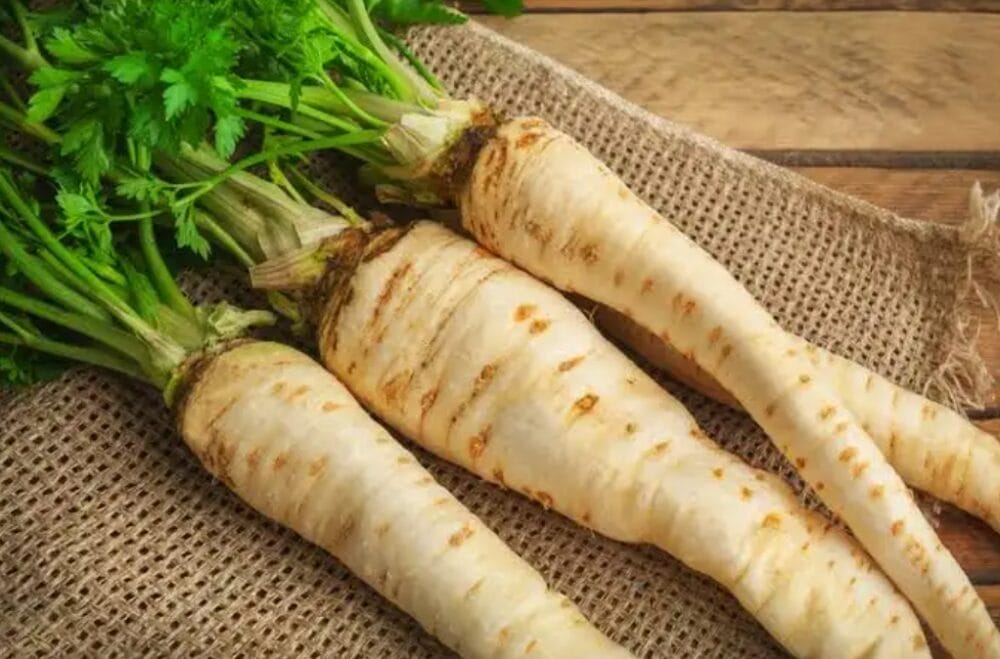
Prepare the field by ploughing it deeply to at least 25–30 cm to remove clods, stones, and weeds. Parsnip roots grow long, so deep tillage is important. Add well-decomposed farmyard manure or compost (10–15 tons per hectare) during land preparation. Ensure the soil is fine and crumbly before sowing to promote uniform germination.
Also Read: Litchi Cultivation: Complete Guide for Successful Farming
Seed Selection and Sowing
Always use fresh seeds, as parsnip seeds lose viability quickly. One-year-old seeds are ideal for good germination.
Seeds are sown directly in the field, as parsnips do not transplant well. Sowing time generally depends on climate:
- Plains: October to November
- Hills: March to April
Sow seeds in rows 30–45 cm apart, with a spacing of 8–10 cm between plants after thinning. Seeds should be sown at a depth of 1–2 cm. Germination may take 14–21 days, so patience is required.
Thinning and Weeding
Once seedlings are about 5–7 cm tall, thin them to maintain proper spacing. Overcrowding results in thin and poorly developed roots.
Weed control is important during the early growth stage. Two to three manual weedings are usually sufficient. Mulching with dry straw or organic matter helps conserve moisture and suppress weed growth.
Irrigation Management
Parsnip requires consistent moisture for proper root development. Light but regular irrigation is ideal, especially during dry periods. Avoid waterlogging, as it can cause root rot and fungal diseases.
Critical stages for irrigation include:
- Seed germination
- Root development stage
Reduce irrigation as the crop matures to improve root flavor and storage quality.
Also Read: Top 7 Organic Fertilisers for Coconut Trees
Fertilizer Application
Balanced nutrition is key to parsnip cultivation. A general fertilizer recommendation per hectare includes:
- Nitrogen: 60–80 kg
- Phosphorus: 40–50 kg
- Potassium: 40–50 kg
Apply the full dose of phosphorus and potassium along with half of nitrogen as a basal dose. The remaining nitrogen should be applied in two split doses during crop growth. Avoid excess nitrogen, as it reduces root quality.
Pest and Disease Management
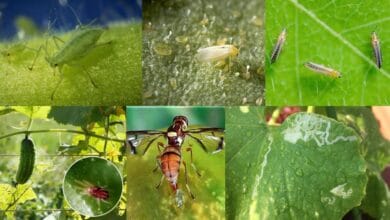
Common pests affecting parsnip include aphids, carrot flies, and root maggots. These can be controlled by crop rotation, use of neem-based sprays, and maintaining field hygiene.
Major diseases include leaf blight, root rot, and powdery mildew. Proper spacing, good drainage, and seed treatment with fungicides help prevent disease incidence. Avoid continuous cropping of parsnip or related crops in the same field.
Harvesting
Parsnips are ready for harvest 90–120 days after sowing. Roots develop better flavor after exposure to light frost. Harvest when roots are 15–25 cm long and firm.
Loosen the soil carefully before pulling out the roots to avoid breakage. Harvesting should be done during dry weather to reduce post-harvest losses.
Yield and Storage
Average yield ranges from 15 to 25 tons per hectare, depending on variety and crop management.
After harvesting, remove the tops and store the roots in cool, humid conditions. Parsnips can be stored at 0–1°C with high humidity for several months without losing quality.
Frequently Asked Questions (FAQ)
Q1. How long does parsnip take to grow?
Parsnip takes about 90–120 days from sowing to harvest, depending on climate and variety.
Q2. Can parsnip be grown in warm climates?
Parsnip prefers cool temperatures, but it can be grown in mild winters in warmer regions with proper irrigation.
Q3. Why are my parsnip roots forked?
Forked roots are usually caused by compact soil, stones, or excess nitrogen in the soil.
Q4. Does parsnip need frost to grow?
Frost is not necessary for growth, but light frost improves the sweetness and flavor of parsnip roots.
Q5. Can parsnip be grown in containers?
Yes, parsnips can be grown in deep containers (at least 30 cm deep) with loose, well-drained soil.
Also Read: How to Grow Parsnips in Your Garden
Parsnip Cultivation Review
Product Cost
Compatibility
Availability
Aggregate Customer Score
Overall Rating: Excellent
-

-
-
-
-
-

-

-

-
-
-
-
-
-

-
-
-
-
-

-

-
-
-
-
-
-
-
-
-

-
-

-

-
-
-

-

-

-

-
-
-

-

-
-

-
-

-

-
-

-