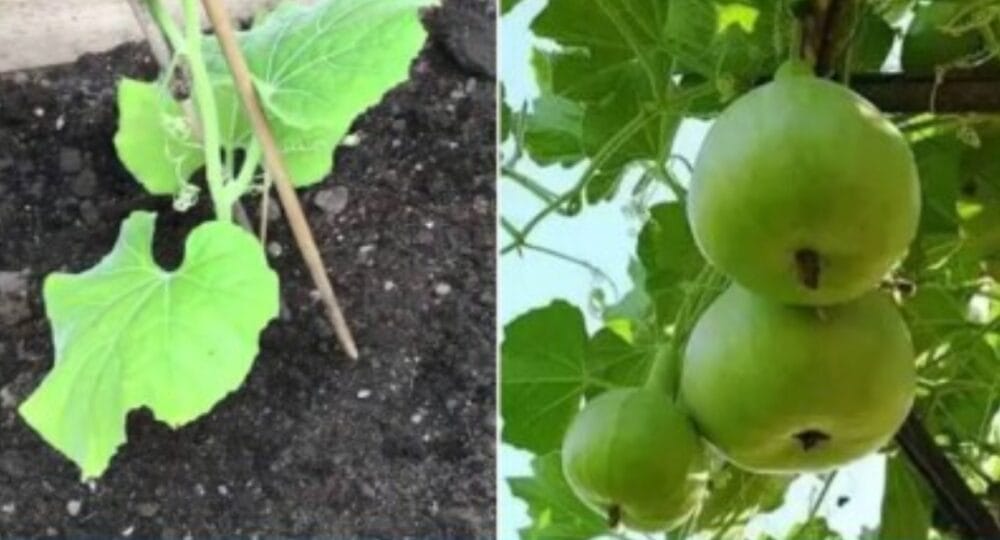
Apple gourd, also known as Tinda (Praecitrullus fistulosus), is a popular summer vegetable widely grown in India. Loved for its soft texture and mild taste, apple gourd is commonly used in curries, sabzi, and soups.
It is a short-duration crop, easy to cultivate, and highly profitable for small and medium farmers. With proper cultivation practices, apple gourd can give excellent yields in a short time. This blog provides a detailed guide on apple gourd cultivation, from soil preparation to harvesting.
Table of Contents
Climate and Season Requirement
Apple gourd is a warm-season crop that grows best in temperatures between 25°C and 35°C. It is sensitive to frost and cold weather. In India, apple gourd is mainly grown during:
- Summer season: February to April
- Rainy (Kharif) season: June to July
Warm weather with good sunlight promotes healthy vine growth and fruit development. Excessive rainfall or waterlogging should be avoided as it may cause root rot and diseases.

Soil Requirement
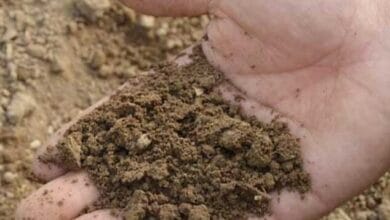
Apple gourd thrives best in well-drained sandy loam or loamy soil rich in organic matter. The ideal soil pH ranges from 6.0 to 7.5. Heavy clay soils should be avoided because they retain excess moisture, which can damage roots.
Before sowing, the field should be ploughed 2–3 times to make the soil loose and weed-free. Adding well-decomposed farmyard manure (FYM) improves soil fertility and structure.
Also Read: IFFCO Magic Soil – The Perfect Ready-to-Use Soil for Healthy Home Gardening
Seed Selection and Sowing
High-quality seeds play a vital role in successful apple gourd cultivation. Certified or hybrid seeds from reliable sources ensure better germination and yield.
Sowing Method:
- Direct sowing is commonly practiced.
- Seeds are sown on raised beds or ridges.
- Spacing: 1.5–2 meters between rows and 60–90 cm between plants.
- Seed rate: 2–3 kg per hectare.
Soak seeds in water for 12–24 hours before sowing to improve germination.
Manure and Fertilizer Management
Apple gourd is a fast-growing crop and requires balanced nutrition.
- Apply 15–20 tons of FYM per hectare during land preparation.
- Recommended fertilizer dose:
- Nitrogen (N): 60–80 kg/ha
- Phosphorus (P): 40–50 kg/ha
- Potassium (K): 40–50 kg/ha
Apply the full dose of phosphorus and potassium and half of nitrogen as basal. The remaining nitrogen should be applied in two split doses during vine growth and flowering stages.
Irrigation Management
Regular watering is essential for good fruit development.
- First irrigation should be given immediately after sowing.
- Subsequent irrigations should be provided at 7–10 day intervals, depending on soil and climate.
- Avoid over-irrigation, especially during the rainy season.
- Drip irrigation is highly beneficial as it saves water and improves yield.
Weed Control and Intercultural Operations
Weeds compete with apple gourd plants for nutrients and water, especially during early growth stages.
- Hand weeding or hoeing should be done 2–3 times.
- Mulching with straw or plastic mulch helps control weeds and retain soil moisture.
- Light earthing-up supports healthy vine growth.
Also Read: Movento Insecticide: An Efficient Solution for Pest Management
Pest and Disease Management
Common Pests:
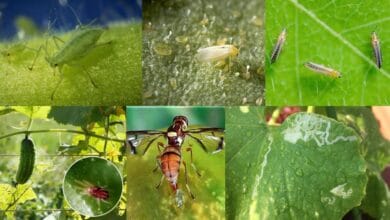
- Fruit fly: Causes damage to fruits.
- Aphids and whiteflies: Suck sap and spread viral diseases.
Control measures include neem oil spray, pheromone traps, and need-based use of recommended insecticides.
Common Diseases:
- Powdery mildew
- Downy mildew
- Wilt
Use disease-resistant varieties, proper spacing, and timely fungicide sprays to manage diseases effectively.
Harvesting and Yield
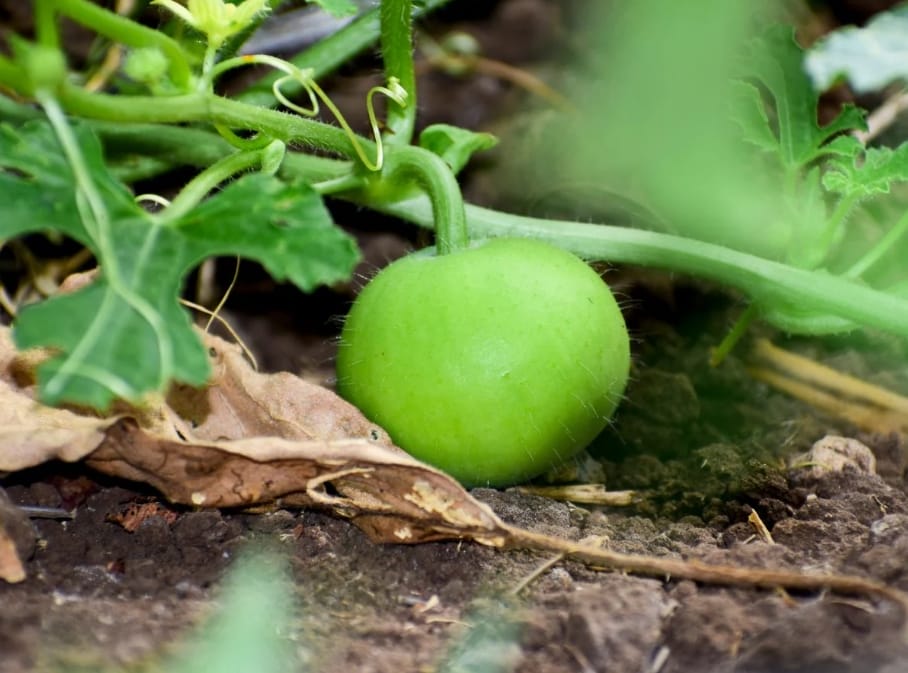
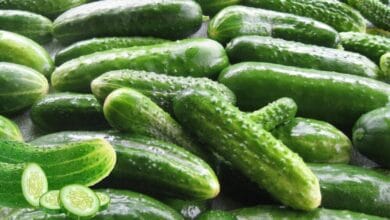
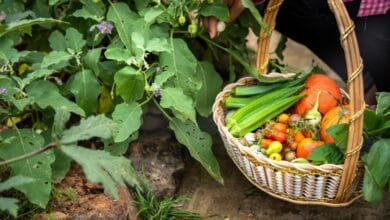
Apple gourd fruits are ready for harvesting 45–60 days after sowing. Fruits should be harvested when they are tender, round, and green.
- Harvesting should be done at 3–4 day intervals.
- Regular harvesting encourages continuous fruiting.
Average Yield:
- 10–15 tons per hectare under good management practices.
- Hybrid varieties may yield even more.
Storage and Marketing
Apple gourd is perishable and should be marketed soon after harvesting. Fresh fruits can be stored for 3–5 days in cool conditions. Proper grading and attractive packaging increase market value.
Frequently Asked Questions (FAQ)
Q1. How long does apple gourd take to grow?
Apple gourd matures in about 45–60 days after sowing, depending on variety and climate.
Q2. Which season is best for apple gourd cultivation?
Summer and rainy seasons are best, as the crop prefers warm temperatures.
Q3. How often should apple gourd be watered?
Irrigation should be done every 7–10 days, avoiding waterlogging.
Q4. What is the best soil for apple gourd?
Well-drained sandy loam or loamy soil with pH 6.0–7.5 is ideal.
Q5. How can fruit fly infestation be controlled?
Using pheromone traps, neem-based sprays, and timely removal of infected fruits helps control fruit flies.
Q6. What is the average yield of apple gourd per hectare?
The average yield ranges from 10 to 15 tons per hectare.
Also Read: Apple Gourd Cultivation
-

-
-
-
-
-

-

-

-
-
-
-
-
-
-
-
-
-
-

-

-
-
-

-
-
-
-
-

-
-
-
-

-
-
-
-
-

-

-
-
-

-

-
-

-
-
-
-
-
-