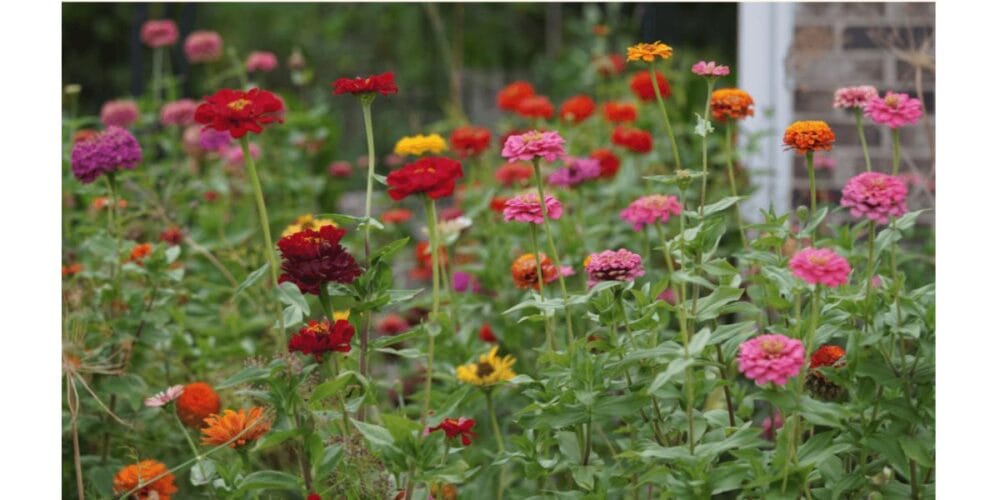
5 Easy Steps to Save Your Own Zinnia Seeds
Zinnias are one of the most rewarding flowers you can grow—bright, cheerful, fast-blooming, and incredibly generous with seeds. If you’ve ever looked at a fading zinnia flower and wondered whether you could save those seeds for next season, the answer is a big yes.
Saving zinnia seeds is easy, cost-effective, and deeply satisfying. With just a little patience and a few simple steps, you can turn one packet of seeds into zillions of flowers year after year. Even better, saved seeds often adapt to your local climate, producing stronger and more resilient plants over time.
Let’s walk through 5 easy steps to save your own zinnia seeds and enjoy endless blooms.
Why Save Zinnia Seeds?
Before we get into the steps, here’s why zinnias are perfect for seed saving:
- Zinnias are open-pollinated, meaning saved seeds grow true to type
- One flower head can produce dozens of seeds
- Seed saving costs nothing and reduces waste
- You can preserve colors and varieties you love
- Home-saved seeds often perform better in your garden conditions
Whether you grow zinnias in pots, borders, or cutting gardens, saving seeds gives you complete control over future blooms.
Step 1: Choose the Best Zinnia Flowers
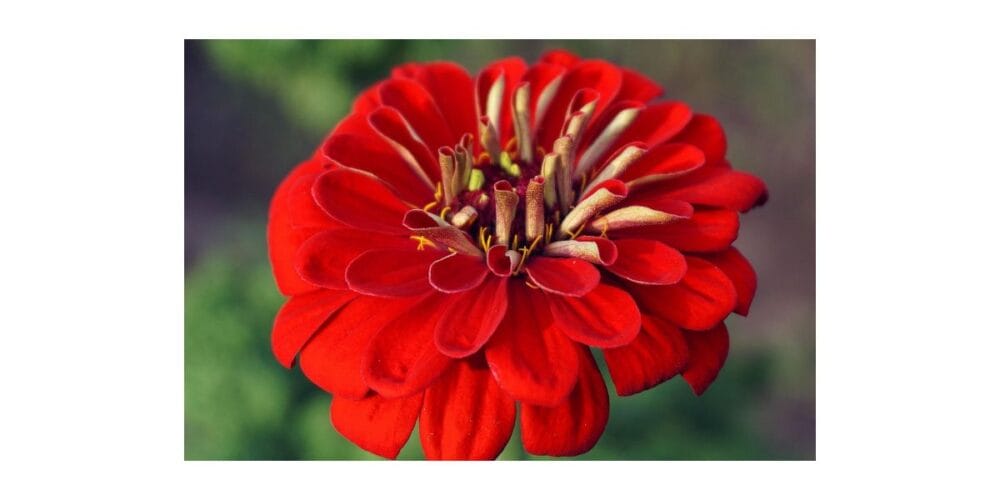
The first step to successful seed saving starts while the plants are still blooming.
Select healthy, strong plants with:
- Vibrant flower color
- Large, well-formed blooms
- Sturdy stems
- No signs of disease or pest damage
Avoid saving seeds from weak or stressed plants, as those traits can carry over to the next generation.
Tip: If you want a specific color or flower shape, tag those blooms with a ribbon or string so you remember which ones to harvest later.
Also Read: How to Start a Cut Flower Garden for Beginners
Step 2: Let the Flowers Fully Mature on the Plant
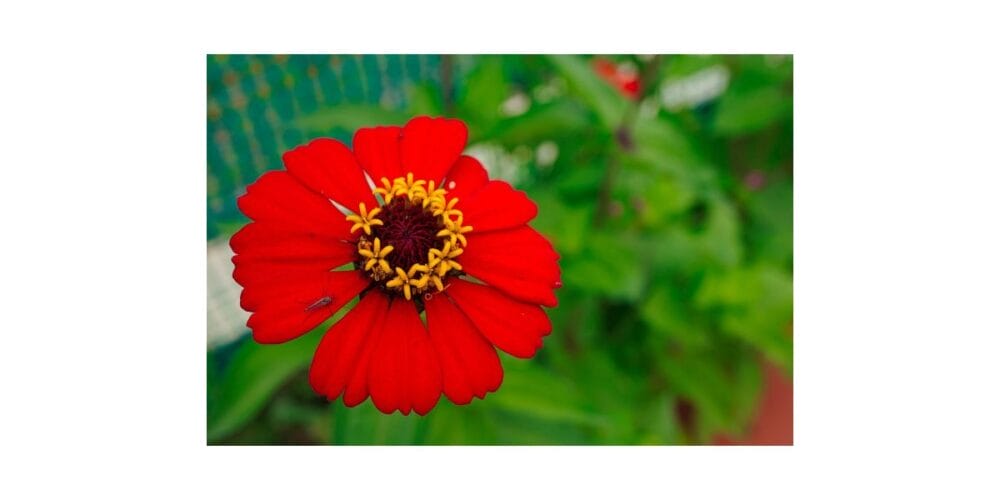
This is the most important step—and the hardest for impatient gardeners!
To save viable zinnia seeds, the flowers must:
- Fade completely
- Turn brown and dry
- Feel papery and brittle
Do not harvest seeds from fresh or partially dried blooms. Immature seeds will not germinate well.
Leave the flower heads on the plant until:
- Petals have fallen or shriveled
- The center cone is dry
- The stem below the flower starts to brown
This may take 3–4 weeks after peak bloom, depending on weather.
Step 3: Harvest and Separate the Seeds
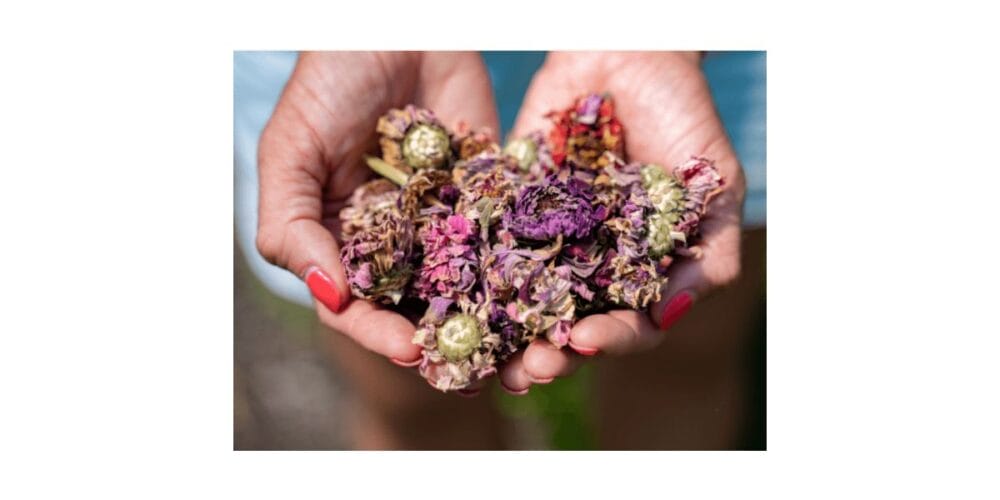
Once the flower heads are fully dry, it’s time to collect the seeds.
How to Harvest:
- Cut the dried flower head from the plant
- Hold it over a tray, bowl, or paper towel
- Gently pull apart the petals and seed head
You’ll notice that zinnia seeds are attached to the base of each petal. They are usually:
- Arrow-shaped
- Brown, gray, or tan
- Firm to the touch
Not every piece is a seed—discard thin, papery bits that feel empty.
Good news: Even slightly misshapen seeds often sprout just fine.
Also Read: Tulip Flower Cultivation: A Complete Guide for Gardeners and Growers
Step 4: Dry the Seeds Properly
Proper drying prevents mold and ensures long-term storage.
Drying Tips:
- Spread seeds in a single layer on paper or a plate
- Keep them in a warm, dry, shaded area
- Allow seeds to air-dry for 7–10 days
- Stir or turn seeds every few days
Avoid direct sunlight or humid areas, as moisture can ruin stored seeds.
You’ll know seeds are ready when they feel hard and snap easily, not bend.
Step 5: Store Seeds for Next Season
Once fully dry, store your zinnia seeds correctly so they stay viable.
Best Storage Options:
- Paper envelopes
- Brown paper bags
- Glass jars with silica gel (for humid climates)
Label each container with:
- Flower name (Zinnia)
- Color or variety
- Harvest year
Store seeds in a cool, dark, dry place such as:
- A cupboard
- A drawer
- The refrigerator (optional but effective)
Properly stored zinnia seeds can last 2–5 years, though fresh seeds germinate best.
Bonus Tips for Growing Zillions of Flowers
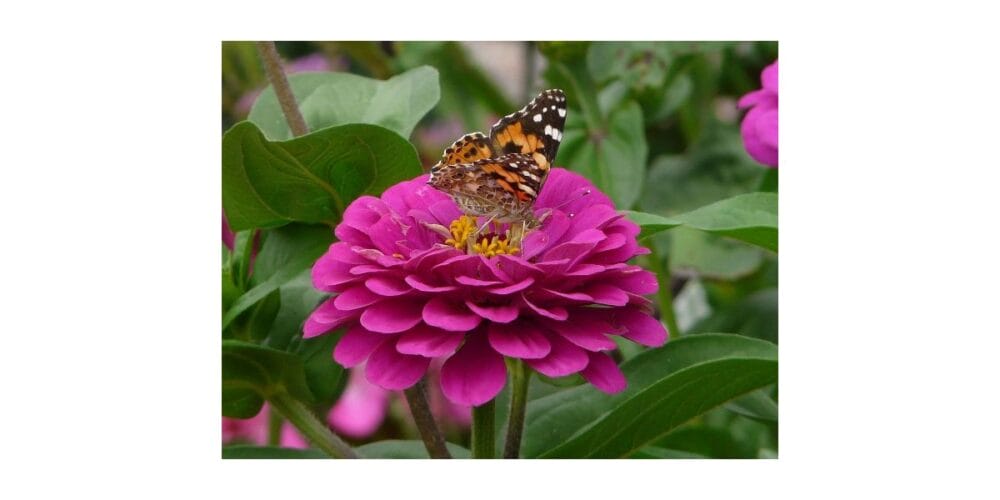
Want maximum blooms from your saved seeds? Try these expert tips:
- Sow seeds directly in warm soil after the last frost
- Space plants well to improve airflow and reduce disease
- Deadhead early blooms to encourage more flowers
- Save seeds every year to select the strongest plants
Over time, your zinnias will become better suited to your garden’s soil and climate.
Also Read: Our Favourite Flowers to Grow in Cool Weather
Common FAQs About Saving Zinnia Seeds
Can zinnias cross-pollinate?
Yes, especially if you grow multiple varieties close together. Expect fun color surprises next season!
Do hybrid zinnias produce viable seeds?
They do, but the next generation may not look exactly like the parent plant.
Can I save seeds from potted zinnias?
Absolutely. Container-grown zinnias produce seeds just as well as garden plants.
Final Thoughts
Saving zinnia seeds is one of the easiest and most rewarding gardening skills you can learn. With just a little patience and these 5 simple steps, you can transform one season of blooms into years of colorful, joyful flowers—all without buying new seeds.
Once you start saving zinnia seeds, you’ll never look at a fading flower the same way again.
Also Read: About 5 Easy Steps to Save Your Own Zinnia Seeds and Grow Zillions of Flowers on gardenary.com Site
-

-

-
-
-
-

-

-

-
-
-
-

-

-

-

-

-
-
-

-

-
-
-
-
-
-
-
-
-
-
-
-
-
-

-
-
-
-

-
-

-

-

-
-

-

-

-

-
-
-