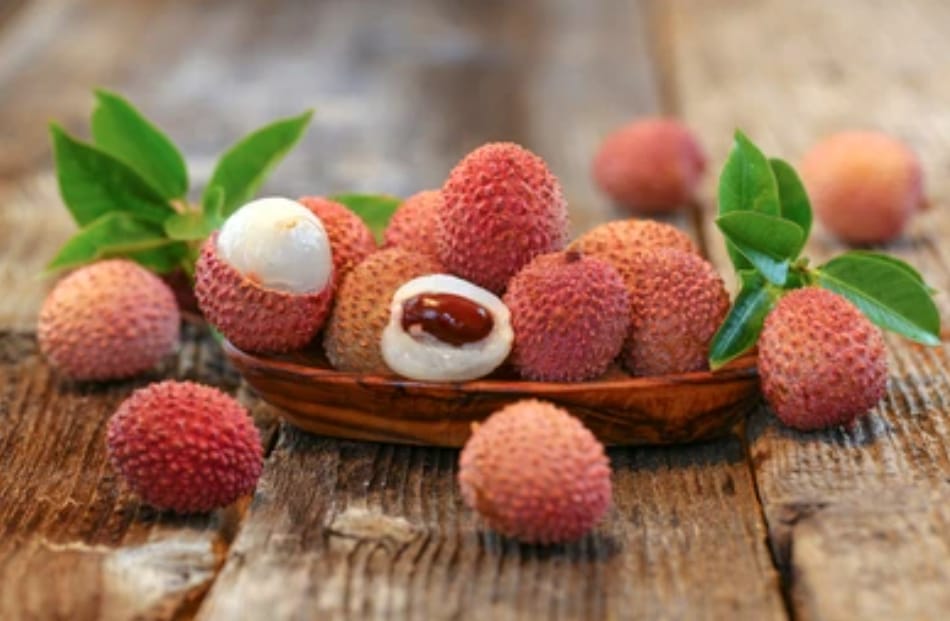
Litchi (also spelled lichi or lychee) is one of the most popular tropical fruits in India and many parts of Asia. Known for its sweet, juicy pulp, refreshing taste, and high market value, litchi cultivation can be highly profitable when done with proper planning and care.
The fruit is rich in vitamin C, antioxidants, and minerals, making it not only delicious but also nutritionally valuable.
This guide explains everything you need to know about litchi cultivation, from climate and soil requirements to planting, irrigation, pest control, harvesting, and marketing.
Climate Requirements
Litchi grows best in subtropical climates with cool, dry winters and warm, humid summers.
Ideal conditions:
- Temperature: 20°C to 35°C
- Winter chilling (for flowering): Mild cold is necessary
- Rainfall: 1,000–1,500 mm annually
- Humidity: High humidity during fruit development improves fruit quality
Very high temperatures and dry winds can cause flower and fruit drop, while frost can damage young plants.
Soil Requirements
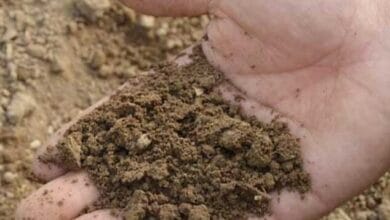
Litchi prefers deep, fertile, well-drained soils rich in organic matter.
Best soil types:
- Sandy loam
- Alluvial soil
- Loamy soil
Soil pH: 5.5 to 7.0 (slightly acidic to neutral)
Waterlogging must be avoided, as litchi roots are sensitive to standing water, which can cause root rot and poor growth.

Also Read: Diseases of Spinach: Identification, Prevention, and Management
Varieties of Litchi
Popular litchi varieties in India include:
- Shahi
- China
- Rose Scented
- Bedana
- Dehradun
- Bombai
These varieties differ in fruit size, sweetness, seed size, and harvest season.
Propagation Method
Litchi is commonly propagated by air layering (gootee method). This ensures true-to-type plants and faster fruiting compared to seed propagation.
Advantages of air layering:
- Early fruiting (3–5 years)
- Uniform orchard
- Better fruit quality
Land Preparation and Planting
Land Preparation
- Plough the field deeply
- Remove weeds and stones
- Level the land properly
- Dig pits of size 1m × 1m × 1m
Fill pits with:
- Topsoil
- Well-rotted farmyard manure (FYM)
- Compost
- Neem cake (optional)
Planting Distance
- Spacing: 8m × 8m or 10m × 10m
- This allows proper canopy development and sunlight penetration.
Best Planting Time
- July to September (monsoon season) is ideal for planting litchi saplings.
Irrigation Management
Proper irrigation is very important for litchi cultivation.
Water requirements:
- Young plants: Light but frequent irrigation
- Mature trees: Deep irrigation at longer intervals
Critical stages:
- Flowering
- Fruit setting
- Fruit development
Avoid water stress during fruit formation, as it leads to fruit cracking and drop. Drip irrigation is highly beneficial for water saving and uniform moisture supply.
Also Read: Why Tomato Cages Are Actually Terrible
Manure and Fertilizer Management
Organic Manure
Apply FYM or compost every year to improve soil fertility and structure.
Fertilizer Schedule (General Guideline per tree/year)
- Nitrogen (N): 300–500 g
- Phosphorus (P): 200–300 g
- Potassium (K): 300–500 g
Apply fertilizers in split doses:
- After harvesting
- Before flowering
- During fruit development
Micronutrients like zinc, boron, and iron are also important for good fruit quality.
Pruning and Training
Litchi requires minimal pruning.
Only remove:
- Dead branches
- Diseased branches
- Crossing branches
Light pruning improves air circulation and sunlight penetration, reducing disease problems.
Pest and Disease Management
Common Pests
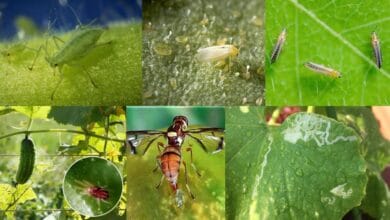
- Fruit borer
- Litchi mite
- Leaf rollers
- Mealybugs
Common Diseases
- Anthracnose
- Leaf spot
- Fruit rot
- Root rot
Control Measures:
- Maintain orchard hygiene
- Remove infected plant parts
- Use neem oil sprays
- Follow integrated pest management (IPM)
- Apply recommended fungicides and insecticides when necessary
Flowering and Fruit Development
Litchi trees usually flower during February–March.
Fruits develop during April–May and harvesting is done in May–June, depending on the variety and climate.
Fruit development takes about 60–80 days after flowering.
Harvesting
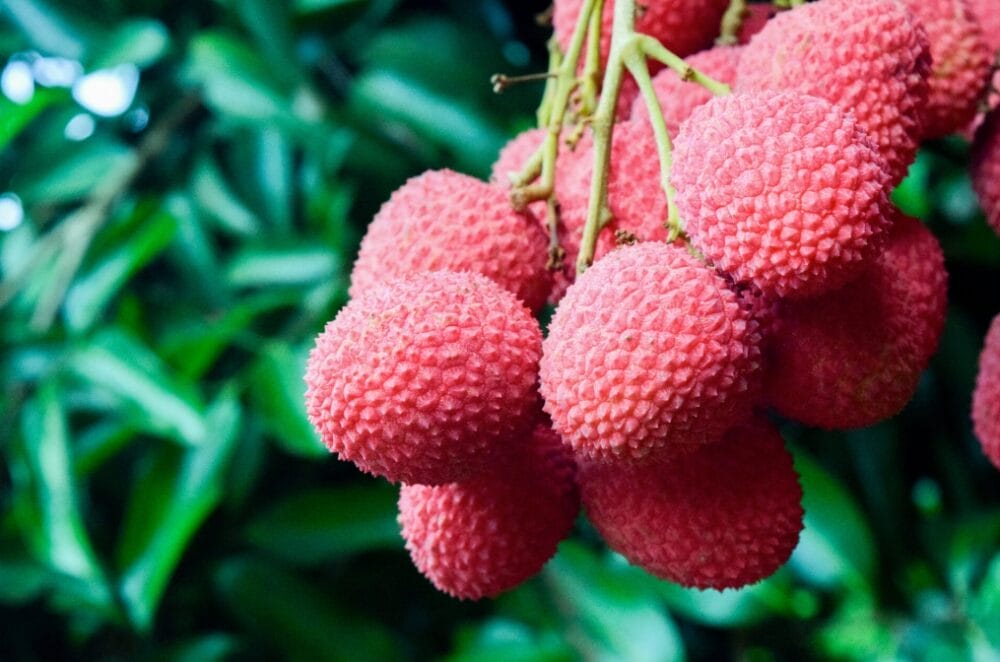
Litchi fruits are harvested in clusters when they attain full color and sweetness.
Signs of maturity:
- Bright red or pink color
- Sweet taste
- Full-sized fruits
Harvest carefully to avoid damage, as litchi has a short shelf life.
Yield
A well-managed mature litchi tree can produce:
- 80–150 kg fruits per tree per year
- Yield increases with age and good orchard management.
Storage and Marketing
Litchi is highly perishable.
Storage tips:
- Store at low temperature (1–5°C)
- High humidity storage
- Proper packaging
Litchi has high demand in:
- Local markets
- Wholesale markets
- Fruit processing industries
- Export markets
Value-added products include:
- Litchi juice
- Squash
- Pulp
- Canned litchi
- Ice cream flavoring
Conclusion
Litchi cultivation is a profitable and rewarding farming venture when scientific practices are followed. With suitable climate, fertile soil, quality planting material, proper irrigation, balanced nutrition, and effective pest management, farmers can achieve high yields and excellent fruit quality. Due to its strong market demand and export potential, litchi farming offers long-term income security and commercial success.
Frequently Asked Questions (FAQ)
Q1. How long does a litchi tree take to bear fruit?
A litchi tree propagated by air layering starts bearing fruit in 3–5 years, while seed-grown plants may take 7–10 years.
Q2. Which soil is best for litchi cultivation?
Well-drained loamy or sandy loam soil rich in organic matter is ideal for litchi farming.
Q3. How often should litchi trees be irrigated?
Young plants need frequent light irrigation. Mature trees require deep irrigation, especially during flowering and fruit development stages.
Q4. What is the best season for planting litchi saplings?
The monsoon season (July–September) is the best time for planting.
Q5. Why do litchi fruits crack?
Fruit cracking is mainly caused by irregular irrigation, moisture stress, and sudden heavy watering after dry periods.
Q6. Can litchi be grown in pots?
Litchi can be grown in large containers for ornamental purposes, but commercial fruit production is not practical in pots.
Q7. What is the average yield of a litchi tree?
A mature tree can produce 80–150 kg of fruits per year under good management.
Q8. Is litchi cultivation profitable?
Yes, litchi cultivation is highly profitable due to high market demand, premium fruit prices, and export potential.
Also Read: Cultivation of Litchi
-

-
-
-
-
-

-

-

-
-
-
-

-
-

-

-
-

-
-

-

-
-
-
-
-

-
-
-

-

-
-

-

-
-
-
-
-
-

-
-

-

-

-
-

-
-

-

-
-

-