The Pros and Cons of Stone Raised Garden Beds
Raised garden beds have become a favorite among home gardeners, and stone raised beds stand out for their durability and timeless appeal. Whether made from natural stone, granite, slate, or stone blocks, these beds can transform an ordinary garden into a long-lasting, productive space. However, like any gardening method, stone raised beds come with both advantages and drawbacks. Understanding the pros and cons will help you decide if they are the right choice for your garden.
What Are Stone Raised Garden Beds?
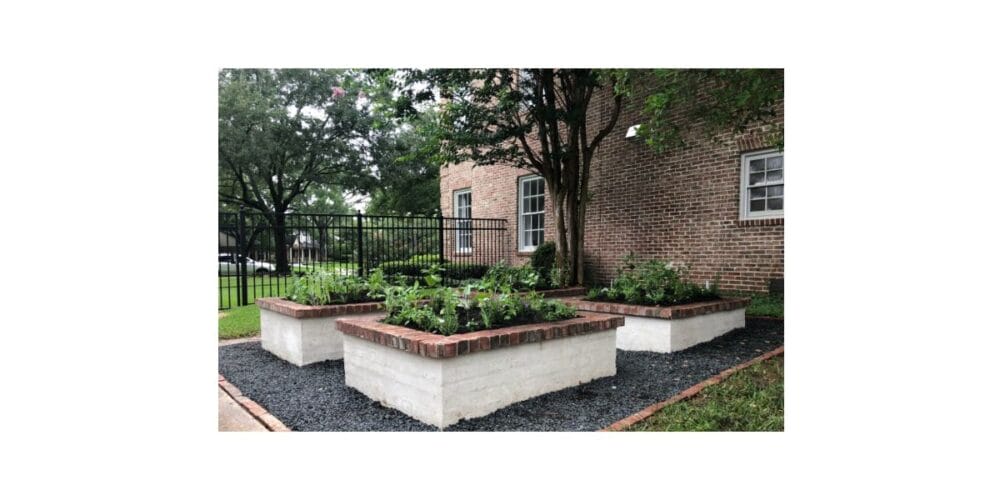
Stone raised garden beds are elevated planting areas constructed using natural stones, stone bricks, or masonry blocks instead of wood or metal. They are typically built without pressure-treated materials and can be mortared or dry-stacked. These beds are especially popular in permanent garden designs and landscapes where aesthetics matter as much as productivity.
Pros of Stone Raised Garden Beds

1. Exceptional Durability and Longevity
One of the biggest advantages of stone raised beds is their long lifespan. Unlike wooden beds that rot or metal beds that rust, stone can last for decades with minimal wear. Once installed, a stone bed may never need replacement, making it a long-term investment for serious gardeners.
2. Timeless Aesthetic Appeal
Stone adds a natural, elegant look to any garden. Whether your style is rustic, traditional, or modern, stone beds blend beautifully with outdoor landscapes. They can also increase the visual value of your property and complement patios, pathways, and outdoor seating areas.
3. Excellent Heat Retention
Stone absorbs heat during the day and slowly releases it at night. This temperature regulation is particularly beneficial for cool-weather climates or early spring planting. Crops like tomatoes, peppers, and herbs benefit from the warmer soil conditions created by stone walls.
4. Low Maintenance
Stone raised beds require very little maintenance once built. They don’t need sealing, staining, or regular replacement. Unlike wood, stone won’t attract termites or suffer from fungal decay, saving time and money in the long run.
5. Eco-Friendly and Chemical-Free
Stone is a natural material and does not leach harmful chemicals into the soil. This makes stone raised beds an excellent choice for organic gardeners who want to grow vegetables, herbs, and fruits without contamination concerns.
6. Strong Structural Support
Stone beds can be built taller than wooden beds without bowing or collapsing. This allows for deeper soil profiles, improved root growth, and better drainage. Tall stone beds are also ideal for gardeners with mobility issues, as they reduce the need to bend or kneel.
Also Read: Harvest Basket Guide: Find Your Perfect Garden Trug
Cons of Stone Raised Garden Beds
1. High Initial Cost
One of the biggest drawbacks of stone raised beds is their upfront cost. Natural stone and masonry materials are significantly more expensive than wood or metal. Labor costs can also be high if professional installation is required.
2. Labor-Intensive Installation
Building a stone raised bed takes time, effort, and skill. Leveling the ground, stacking stones, and ensuring stability can be physically demanding. Mortared stone beds are especially permanent and difficult to modify later.
3. Poor Insulation in Hot Climates
While stone retains heat well, this can be a disadvantage in very hot climates. During peak summer, stone walls may overheat the soil, stressing plant roots and increasing water needs. Extra mulching and careful watering are often required to manage soil temperature.
4. Limited Flexibility and Mobility
Once constructed, stone raised beds are not easy to move or resize. Gardeners who like to redesign layouts frequently may find stone beds too permanent. If you relocate or want to change your garden plan, removing a stone bed can be challenging.
5. Drainage Considerations
If not properly designed, stone beds can develop drainage issues. Solid stone walls without drainage gaps may trap excess water, leading to waterlogged soil. Proper base preparation and drainage layers are essential to avoid this problem.
6. Risk of Cracking or Shifting
In regions with freeze-thaw cycles or unstable soil, stone beds can crack or shift over time. Poor foundation preparation can lead to uneven walls, which may affect both appearance and functionality.
Also Read: Organic Ways to Control Pests in the Garden
Are Stone Raised Garden Beds Right for You?
Stone raised garden beds are ideal for gardeners who value permanence, aesthetics, and durability. They work especially well in ornamental gardens, kitchen gardens with permanent layouts, and organic growing systems. However, they may not be the best choice for beginners, renters, or gardeners on a tight budget.
Tips for Using Stone Raised Beds Successfully
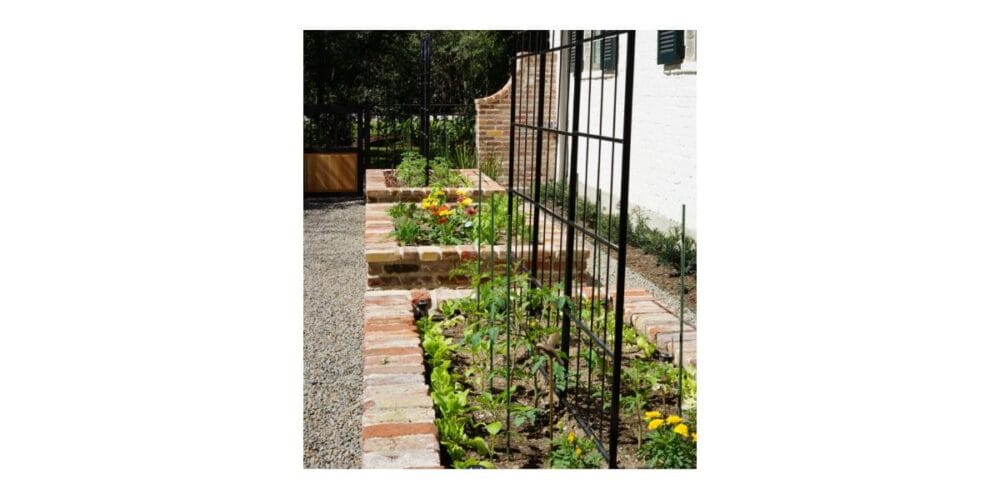
Add a thick mulch layer to regulate soil temperature
Install proper drainage at the base
Choose lighter-colored stone for hot climates
Use rich, well-draining soil mixes
Plan bed size and location carefully before building
Also Read: How to Treat and Prevent Harlequin Bugs in Your Garden
Final Thoughts
Stone raised garden beds offer unmatched durability, beauty, and long-term value. While the initial investment and labor can be significant, the benefits often outweigh the drawbacks for gardeners seeking a permanent and visually appealing solution. By understanding both the pros and cons, you can confidently decide whether stone raised beds are the right foundation for your gardening success.
Also Read: About The Pros and Cons of Stone Raised Garden Beds on gardenary.com Site