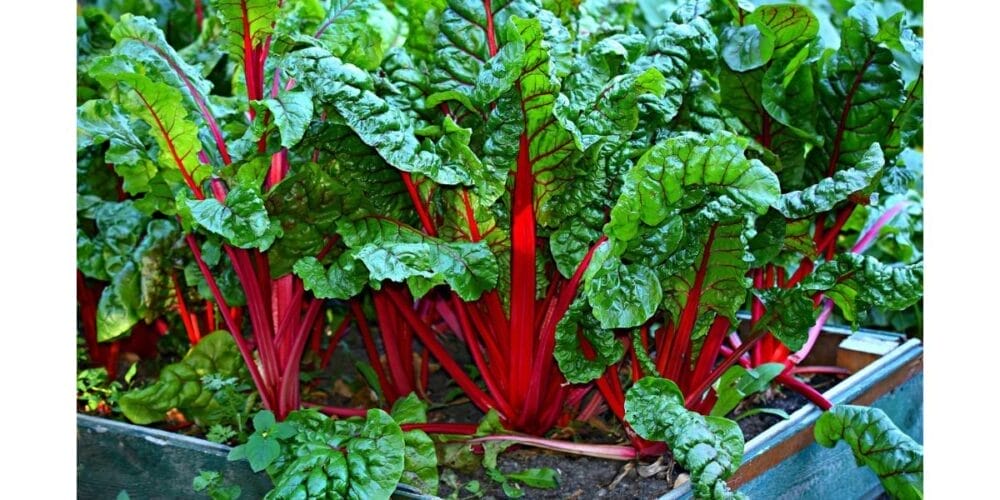
How to Grow Your Own Organic Swiss Chard from Seed
Swiss chard is one of the easiest and most rewarding leafy greens you can grow in an organic kitchen garden. With its vibrant stems, tender leaves, and impressive nutritional profile, Swiss chard is a favorite among home gardeners. Even better—it grows quickly from seed, tolerates a wide range of climates, and can be harvested repeatedly.
In this complete guide, you’ll learn how to grow your own organic Swiss chard from seed, from soil preparation to harvest.
Table of Contents
Why Grow Swiss Chard Organically?
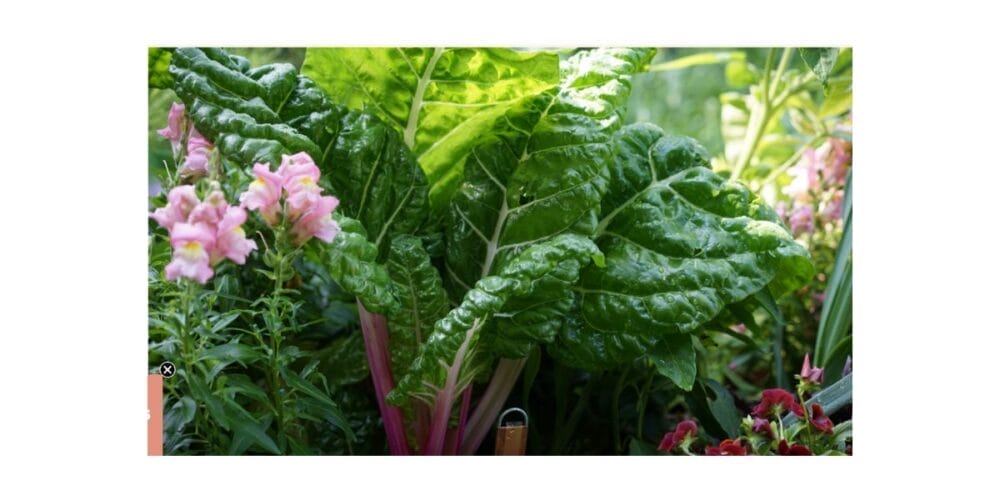
Growing Swiss chard organically ensures clean, chemical-free greens for your table. Swiss chard is rich in vitamins A, C, and K, iron, magnesium, and antioxidants. When grown organically, it retains better flavor, supports soil health, and attracts beneficial insects to your garden.
Key benefits of organic Swiss chard:
- Fast-growing and beginner-friendly
- Suitable for containers and garden beds
- Cut-and-come-again harvest
- Tolerant of heat and light frost
Best Time to Plant Swiss Chard Seeds
Swiss chard is a cool-season crop but adapts well to mild warmth.
- Spring planting: Sow seeds 2–3 weeks before the last frost
- Autumn planting: Ideal for warmer regions with mild winters
- Temperature range: 10°C–30°C (50°F–85°F)
In tropical and subtropical regions, Swiss chard grows best during cooler months.
Also Read: Top 10 Health Benefits of Capsicum (Bell Pepper)
Choosing the Right Swiss Chard Seeds
Select certified organic, non-GMO seeds for the best results. Popular varieties include:
- Bright Lights: Colorful stems, mild flavor
- Fordhook Giant: Large leaves, high yield
- Lucullus: Heat-tolerant and tender
Swiss chard “seeds” are actually clusters, meaning multiple seedlings may sprout from one seed.
Preparing the Soil for Organic Swiss Chard

Healthy soil is the foundation of a successful organic garden.
Soil requirements:
- Loose, well-draining soil
- Rich in organic matter
- pH between 6.0 and 7.5
Soil preparation steps:
- Loosen soil to a depth of 20–25 cm
- Mix in well-rotted compost or vermicompost
- Avoid fresh manure—it can burn young seedlings
Raised beds and containers work equally well if drainage is good.
How to Sow Swiss Chard Seeds
Swiss chard grows best when direct-sown, though seedlings can also be transplanted.
Direct sowing method:
- Sow seeds 1–1.5 cm deep
- Space seeds 5–7 cm apart
- Keep rows 30–40 cm apart
Water gently after sowing and keep soil consistently moist until germination, which usually occurs in 7–14 days.
Once seedlings are 8–10 cm tall, thin them to 20–25 cm apart to allow proper leaf development.
Also Read: The Best Types of Basil to Grow in an Herb Garden
Watering and Mulching
Swiss chard prefers evenly moist soil.
- Water deeply 2–3 times a week
- Avoid waterlogging
- Mulch with straw, dry leaves, or grass clippings to retain moisture and suppress weeds
Consistent watering prevents bitter leaves and bolting.
Organic Fertilization for Swiss Chard
Swiss chard is a leafy vegetable and benefits from regular feeding.
Organic fertilizer options:
- Compost tea (every 2–3 weeks)
- Vermicompost top dressing
- Liquid seaweed or fish emulsion (diluted)
Avoid excessive nitrogen, which can lead to soft growth and pest issues.
Common Pests and Organic Control
Swiss chard is relatively pest-resistant but may attract a few common garden pests.
Common pests:
- Aphids
- Leaf miners
- Caterpillars
Organic control methods:
- Neem oil spray
- Hand-removal of affected leaves
- Encourage beneficial insects like ladybugs
- Use neem cake in soil for prevention
Good air circulation and healthy soil reduce pest problems significantly.
When and How to Harvest Swiss Chard

Swiss chard is ready to harvest 30–45 days after sowing.
Harvesting tips:
- Cut outer leaves first
- Leave the center growing point intact
- Harvest leaves when they are 15–25 cm long
This cut-and-come-again method allows continuous harvest for several months.
Growing Swiss Chard in Containers
Swiss chard grows beautifully in pots and grow bags.
Container tips:
- Minimum pot depth: 25–30 cm
- Use organic potting mix with compost
- Ensure drainage holes
- Place in a sunny location (4–6 hours of sunlight)
Container-grown Swiss chard is perfect for balconies and small spaces.
Also Read: How to Grow and Harvest Your Own Coriander Seeds
Frequently Asked Questions (FAQs)
Q1. Can Swiss chard grow in partial shade?
Yes, it grows well with 4–5 hours of sunlight.
Q2. Does Swiss chard regrow after cutting?
Yes, it is a cut-and-come-again crop.
Q3. How long does Swiss chard last in the garden?
With proper care, plants can produce for 4–6 months.
Q4. Is Swiss chard frost-tolerant?
Yes, it can tolerate light frost.
Final Thoughts
Growing your own organic Swiss chard from seed is simple, sustainable, and highly rewarding. With minimal effort, you can enjoy a steady supply of fresh, nutritious greens straight from your garden. Whether planted in raised beds, containers, or open soil, Swiss chard thrives with organic care and regular harvesting. Add it to your kitchen garden and enjoy healthy harvests season after season
Also Read: About How to Grow Your Own Organic Swiss Chard from Seed on gardenary.com Site
-

-

-

-

-

-

-

-

-

-

-

-

-

-

-

-

-

-

-

-

-
-
-
-
-
-
-
-
-
-

-
-
-
-

-

-

-
-

-
-

-

-

-
-

-

-

-

-

-
-