How to Grow Napa Cabbage from Seed to Harvest
Napa cabbage, also known as Chinese cabbage (Brassica rapa subsp. pekinensis), is a cool-season vegetable prized for its crisp texture and mildly sweet flavor. It’s a staple in stir-fries, salads, soups, and fermented dishes like kimchi. The good news? Napa cabbage is surprisingly easy to grow at home when you give it the right conditions.
This step-by-step guide will walk you through everything you need to know—from sowing seeds to harvesting perfect heads.
Table of Contents
Understanding Napa Cabbage Growing Requirements
Before planting, it helps to know what Napa cabbage loves most:
- Climate: Cool weather (ideal temperature: 10–20°C / 50–70°F)
- Sunlight: Full sun to partial shade (at least 5–6 hours daily)
- Soil: Loose, fertile, well-draining soil
- pH: Slightly acidic to neutral (6.0–7.0)
Napa cabbage grows best in spring or fall, as hot weather can cause bolting (early flowering) and bitter leaves.
When to Plant Napa Cabbage Seeds
Timing is key for success.
- Spring crop: Start seeds indoors 4–6 weeks before the last frost
- Fall crop: Sow seeds in late summer, 8–10 weeks before the first frost
In warmer regions, fall planting is often more reliable because cooler temperatures help the cabbage form tight heads.
Also Read: Cabbage Cultivation: A Complete Guide for Successful Farming
How to Start Napa Cabbage from Seed
You can start Napa cabbage seeds indoors or sow them directly in the garden.
Starting Seeds Indoors
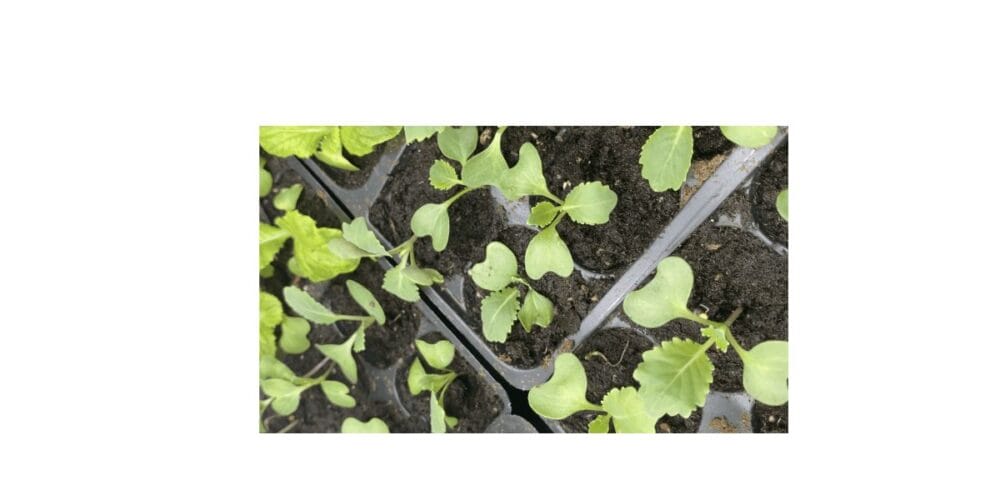
- Fill seed trays or small pots with seed-starting mix.
- Sow seeds about ¼ inch deep.
- Keep soil moist but not soggy.
- Place trays in a bright spot or under grow lights.
- Seeds germinate in 5–10 days.
Once seedlings have 3–4 true leaves, they’re ready for transplanting.
Direct Sowing Outdoors
- Sow seeds ¼ inch deep in prepared garden beds.
- Thin seedlings once they sprout to prevent overcrowding.
Transplanting and Spacing
Healthy spacing ensures proper head formation.
- Spacing: 12–18 inches between plants
- Row spacing: 18–24 inches apart
Gently transplant seedlings into moist soil and water thoroughly after planting. Mulching around plants helps retain moisture and regulate soil temperature.
Soil Preparation and Fertilization
Napa cabbage is a heavy feeder, meaning it needs nutrient-rich soil.
- Work in well-rotted compost or aged manure before planting.
- Use a balanced organic fertilizer or nitrogen-rich feed.
- Side-dress with compost or liquid fertilizer every 2–3 weeks.
Consistent nutrition promotes large, tender heads.
Watering Napa Cabbage Properly
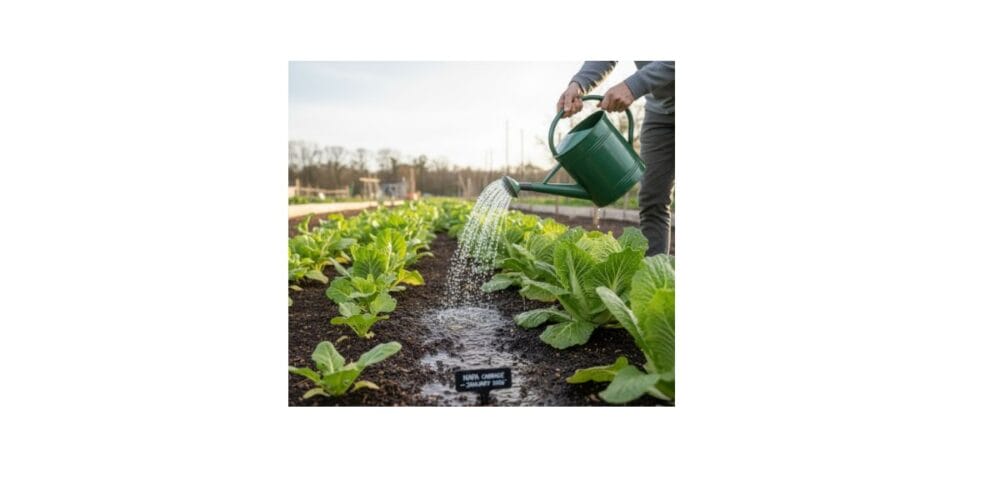
Even moisture is essential.
- Water deeply 1–1.5 inches per week.
- Avoid letting soil dry out completely.
- Drip irrigation or soaker hoses work best.
Inconsistent watering can lead to cracked heads or bitter leaves.
Also Read: How to Grow Winter Savory in an Organic Herb Garden
Common Pests and How to Control Them
Like other brassicas, Napa cabbage can attract pests.
Common Problems
- Aphids
- Cabbage worms and loopers
- Flea beetles
Organic Control Tips
- Cover plants with floating row covers early on.
- Hand-pick caterpillars when spotted.
- Spray neem oil or insecticidal soap if infestations appear.
- Encourage beneficial insects like ladybugs.
Preventing Bolting and Other Issues
Bolting is one of the most common challenges.
To prevent bolting:
- Plant during cool seasons only.
- Provide consistent water.
- Choose bolt-resistant varieties if available.
- Mulch to keep roots cool.
Also watch for tip burn, caused by calcium imbalance or irregular watering.
When and How to Harvest Napa Cabbage
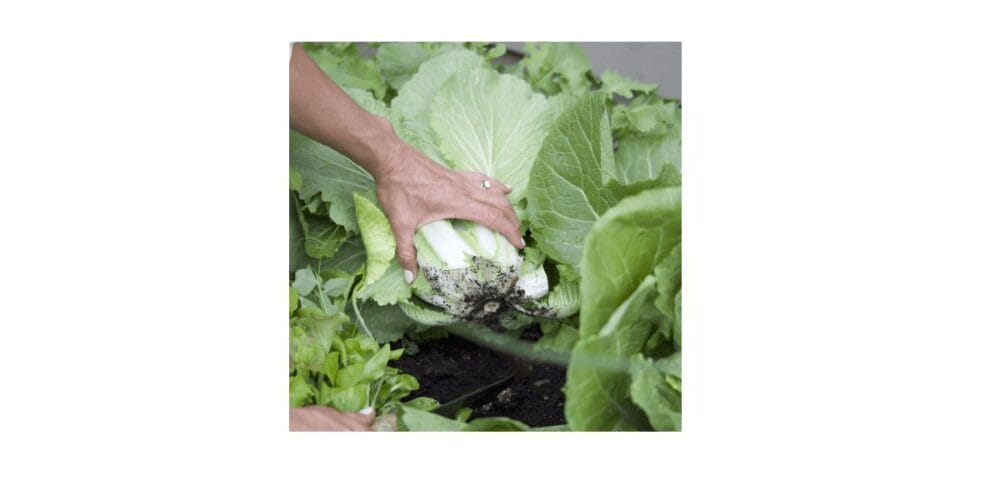
Napa cabbage is typically ready to harvest 60–80 days after planting.
Signs It’s Ready
- Heads feel firm when gently squeezed.
- Leaves are pale green to creamy white.
Harvesting Tips
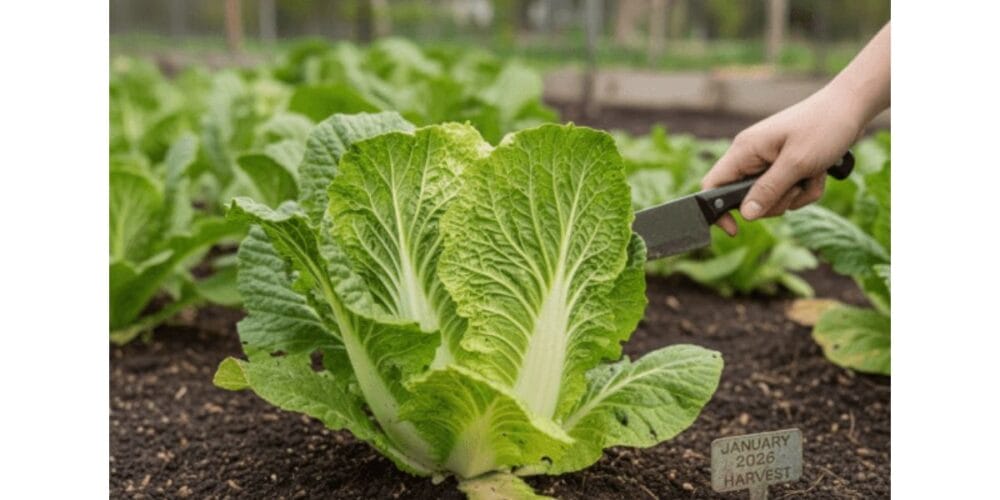
- Use a sharp knife to cut the head at the base.
- Leave outer wrapper leaves on for protection.
- Harvest in the morning for best freshness.
If temperatures stay cool, you can leave heads in the garden a little longer to grow larger.
Also Read: 7 Edible Flowers to Grow in Your Kitchen Garden
Storing and Using Napa Cabbage
- Store whole heads in the refrigerator for 2–3 weeks.
- Do not wash before storing—remove damaged outer leaves only.
- Napa cabbage is excellent for stir-fries, salads, soups, and fermenting.
Final Thoughts: Is Napa Cabbage Worth Growing?
Absolutely! Napa cabbage is a fast-growing, productive vegetable that rewards gardeners with crisp, flavorful heads when grown in the right season. With proper timing, fertile soil, and consistent care, even beginner gardeners can enjoy a successful harvest. Whether you’re growing it for fresh meals or homemade kimchi, Napa cabbage deserves a spot in your kitchen garden.
Also Read: About How to Grow Napa Cabbage from Seed to Harvest on gardenary.com Site
-
-
-
-
-

-

-
-
-
-
-
-
-

-

-

-
-
-

-
-
-
-
-
-
-
-
-
-
-
-
-
-
-
-
-
-

-
-
-

-

-
-

-
-
-

-
-
-
-
-