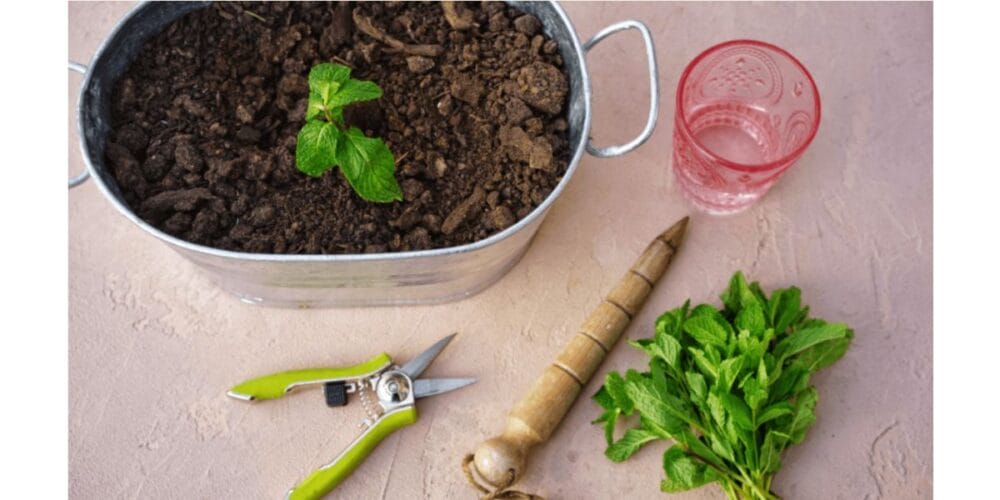
How to Propagate Mint in 3 Easy Steps
Mint is one of the easiest and most rewarding herbs to grow at home. Whether you love it for refreshing teas, chutneys, salads, or natural remedies, mint’s fast growth makes it a kitchen garden favorite. The best part? You don’t even need seeds to grow it. Mint propagates effortlessly from cuttings, making it perfect for beginners and experienced gardeners alike.
In this guide, you’ll learn how to propagate mint in 3 easy steps, along with care tips to ensure healthy, bushy plants all year round.
Why Propagate Mint Instead of Growing from Seeds?
Before we dive into the steps, let’s understand why propagation is the preferred method:
- Faster growth than seeds
- Higher success rate
- True-to-type plants (same flavor and aroma as the parent plant)
- Cost-effective and beginner-friendly
Mint spreads naturally through runners, so propagation simply helps you guide this growth in a controlled way.
What You’ll Need to Propagate Mint
- A healthy mint plant
- Clean scissors or pruning shears
- A glass of water or small pots
- Loose, well-draining potting mix
- Indirect sunlight
That’s it—no fancy tools required.
Step 1: Take Healthy Mint Cuttings
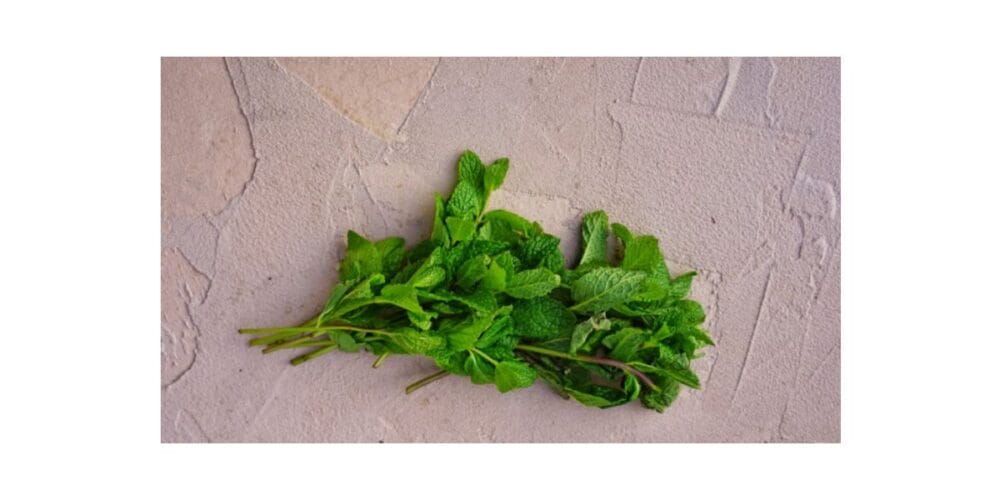
The first and most important step is choosing the right cutting.
How to Do It:
- Select a healthy, pest-free mint stem.
- Cut a 4–6 inch long stem just below a leaf node.
- Remove the lower leaves, leaving 2–3 leaves at the top.
Why This Works:
Leaf nodes are where roots naturally form. Removing lower leaves prevents rot and directs energy toward root development.
Pro Tip:
Always use clean, sharp scissors to avoid damaging the stem or introducing disease.
Also Read: How to Make Mint Tea from Your Organic Herb Garden
Step 2: Root the Cuttings in Water or Soil
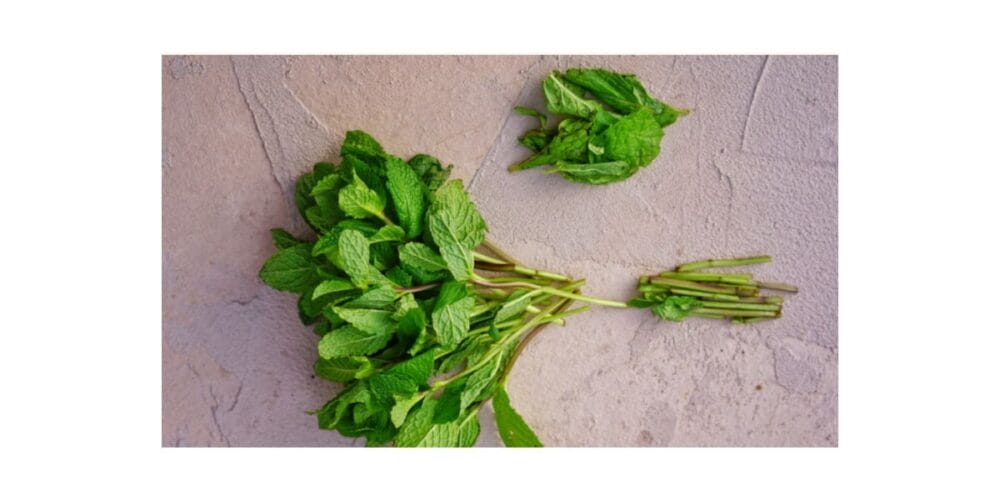
Now that you have your cutting, it’s time to encourage root growth. You can do this in water or soil—both methods work well.
Option 1: Water Propagation (Best for Beginners)
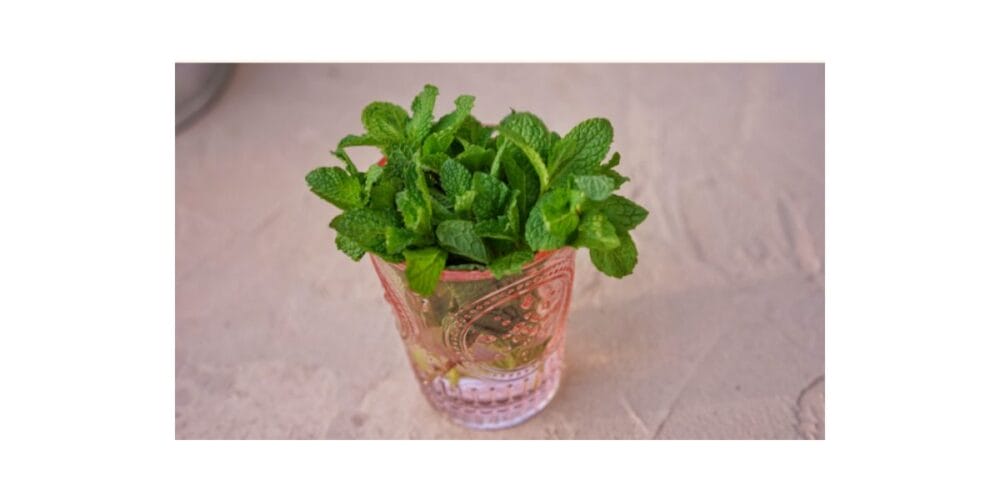
- Place the cutting in a glass of water.
- Ensure the leaf nodes are submerged but leaves stay above water.
- Keep the glass in bright, indirect sunlight.
- Change the water every 2–3 days.
Roots will appear in 7–10 days.
Option 2: Soil Propagation (Direct and Effective)
- Fill a small pot with moist, well-draining soil.
- Insert the cutting 2 inches deep.
- Gently firm the soil around it.
- Water lightly and place in partial shade.
Roots develop within 10–14 days.
Which Method Is Better?
Water propagation lets you see roots forming, while soil propagation avoids transplant shock. Choose what suits you best.
Also Read: 10 Fast-Growing Herbs, Veggies, and Flowers for Summer
Step 3: Transplant and Encourage Bushy Growth
Once roots are 1–2 inches long, your mint cutting is ready for its permanent home.
How to Transplant:
- Choose a pot or garden spot with good drainage.
- Plant the rooted cutting gently.
- Water thoroughly after planting.
Encourage Healthy Growth:
- Pinch the top leaves regularly to promote bushiness.
- Avoid overwatering—mint likes moist but not soggy soil.
- Provide 4–6 hours of sunlight daily.
Important Tip:
Mint spreads aggressively. Growing it in pots helps prevent it from overtaking your garden.
Common Mistakes to Avoid
- Using weak or flowering stems
- Leaving too many leaves on the cutting
- Overwatering young plants
- Planting mint directly in open ground without control
Avoid these mistakes, and your success rate will be nearly 100%.
Best Time to Propagate Mint
- Spring and early summer are ideal.
- In warm climates, mint can be propagated year-round.
- Avoid extremely cold or hot weather for best results.
Benefits of Growing Mint at Home
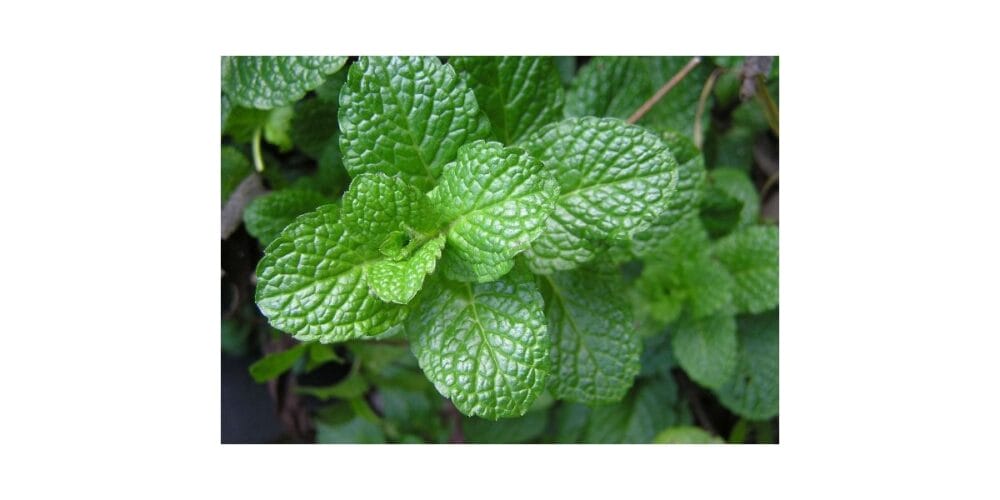
- Fresh, chemical-free leaves
- Easy maintenance
- Natural pest-repelling properties
- Supports digestion and immunity
- Perfect for small spaces and balconies
Mint is truly a low-effort, high-reward herb.
Also Read: 12 Frost-Resistant Herbs and Vegetables to Grow in Winter
Frequently Asked Questions (FAQs)
Q1: Can I propagate mint from store-bought mint?
Yes, as long as the stems are fresh and healthy.
Q2: How long does propagated mint take to grow fully?
You can start harvesting lightly within 3–4 weeks.
Q3: Does mint need full sun?
Mint prefers partial sun but tolerates full sun with adequate watering.
Q4: Why is my mint wilting after planting?
This is usually due to transplant shock or overwatering.
Final Thoughts
Learning how to propagate mint in 3 easy steps is one of the simplest ways to expand your herb garden without spending money on seeds or plants. With just a single cutting and minimal care, you can enjoy an endless supply of fresh mint for your kitchen and home remedies.
Once you try it, you’ll realize why mint is every gardener’s best friend—fast-growing, forgiving, and incredibly useful.
Also Read: About How to Propagate Mint in 3 Easy Steps on gardenary.com Site
-

-

-

-

-
-

-

-

-

-
-

-

-

-

-

-

-

-

-

-

-
-

-

-
-

-

-

-

-

-

-

-

-
-

-

-

-

-

-
-

-

-

-
-

-

-

-

-

-

-