


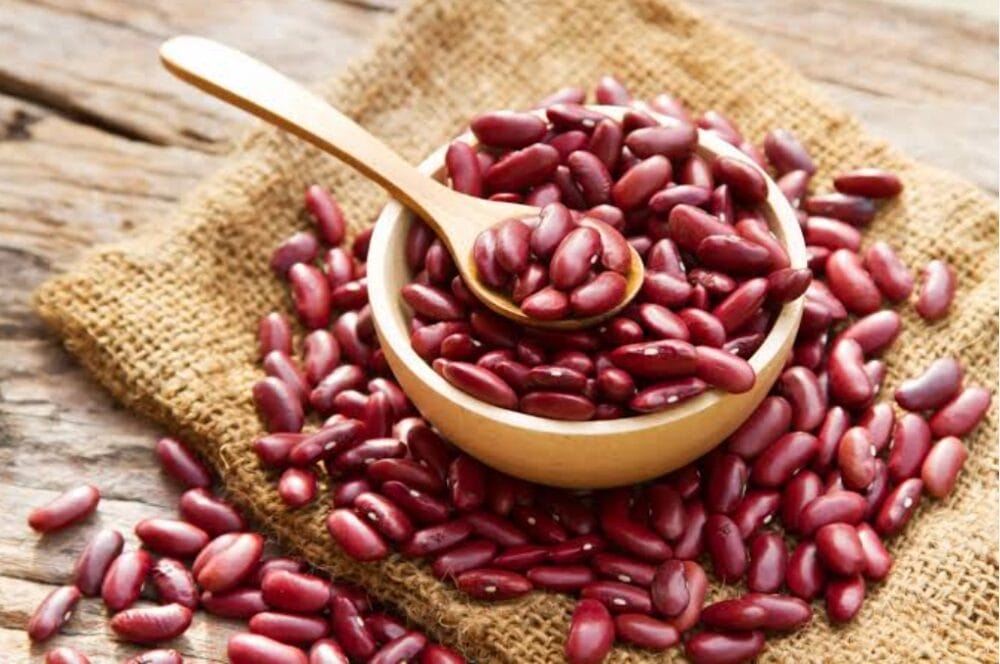
Kidney bean (Phaseolus vulgaris), popularly known as Rajma, is one of the most important pulse crops grown across India and many parts of the world.
Valued for its rich protein content, kidney beans play a key role in human nutrition as well as soil health through nitrogen fixation.
With proper agronomic practices, kidney bean cultivation can be a profitable venture for both small and commercial farmers.
Table of Contents
Climate and Soil Requirements
Kidney beans grow best in a moderate climate with temperatures ranging between 18°C and 30°C. Extremely high temperatures or frost during flowering can reduce yield. The crop is sensitive to waterlogging and prolonged drought, so well-distributed rainfall of about 600–900 mm is ideal.
For optimal growth, kidney beans require well-drained loamy or sandy loam soil rich in organic matter. The ideal soil pH ranges from 5.5 to 6.5. Heavy clay soils should be avoided as they cause poor drainage and root diseases.
Varieties of Kidney Beans
Selecting the right variety is crucial for good yield. Some commonly grown kidney bean varieties include:
- Pusa Rajma
- Arka Komal
- Pant Rajma
- Jammu Rajma
- Red Kidney Bean (Local varieties)
Farmers should choose varieties based on local climate, disease resistance, and market demand.
Also Read: Top 10 Benefits of Organic NPK Fertilizers for healthy plants
Land Preparation
Proper land preparation ensures good germination and root development. The field should be ploughed 2–3 times to obtain a fine tilth. All weeds, crop residues, and stones must be removed. Incorporate well-decomposed farmyard manure (FYM) at 10–15 tons per hectare during the final ploughing to improve soil fertility.
Raised beds or ridges and furrows are recommended, especially in areas prone to waterlogging.
Sowing Time and Method
The kharif season (June–July) and rabi season (October–November) are suitable for kidney bean cultivation, depending on regional climate.
- Seed rate: 80–100 kg per hectare
- Spacing: 30–45 cm between rows and 10–15 cm between plants
- Sowing depth: 4–5 cm
Seeds should be treated with Rhizobium culture to enhance nitrogen fixation and improve yield. Fungicide seed treatment helps protect seedlings from soil-borne diseases.
Nutrient Management
Kidney beans require balanced nutrition for healthy growth. Although the crop fixes atmospheric nitrogen, a starter dose of fertilizer is beneficial.
Recommended fertilizer dose (per hectare):
- Nitrogen: 20–25 kg
- Phosphorus: 40–60 kg
- Potassium: 20–30 kg
Apply the full dose of phosphorus and potassium and half of nitrogen at sowing. The remaining nitrogen can be applied as top dressing at flowering stage if needed.
Also Read: Nutrient Deficiency Chart for Aquarium Plants: Symptoms, Causes, and Solutions
Irrigation Management
Kidney beans need moderate irrigation. Excess water can cause root rot and fungal diseases. Critical stages for irrigation include:
- Germination
- Flowering
- Pod formation
Generally, 3–5 irrigations are sufficient depending on soil type and rainfall. Avoid irrigation during heavy rainfall periods.
Weed Management
Weeds compete with kidney bean plants for nutrients, water, and sunlight, especially during early growth stages. Keep the field weed-free for the first 30–40 days.
- Manual weeding: 2 weedings at 20 and 40 days after sowing
- Chemical control: Pre-emergence herbicides like pendimethalin can be used as per recommendations
Mulching can also help suppress weed growth and conserve moisture.
Pest and Disease Management
Common pests affecting kidney bean crops include aphids, pod borers, and whiteflies. Regular field monitoring is essential. Use neem-based biopesticides or recommended insecticides when infestation crosses economic threshold levels.
Major diseases include:
- Anthracnose
- Rust
- Root rot
- Powdery mildew
Disease-resistant varieties, crop rotation, seed treatment, and proper drainage help minimize disease incidence.
Harvesting and Yield
Kidney beans mature in 90–120 days depending on variety and season. Harvesting should be done when pods turn dry and leaves start yellowing. Delayed harvesting can cause pod shattering and yield loss.
After harvesting, plants are dried and threshed to separate seeds. Proper drying is essential to reduce moisture content to around 10–12% for safe storage.
Average yield ranges from 10–15 quintals per hectare, but with improved practices, higher yields can be achieved.
Storage and Marketing
Store kidney beans in clean, dry, and ventilated conditions. Use airtight containers or gunny bags treated against storage pests. Due to high market demand for rajma, farmers can get good prices, especially for uniform, high-quality grains.
Frequently Asked Questions (FAQ)
Q1. What is the best season for kidney bean cultivation?
Kidney beans are grown during kharif (June–July) and rabi (October–November) seasons, depending on regional climate.
Q2. How long does kidney bean crop take to mature?
The crop usually matures in 90–120 days after sowing.
Q3. Is kidney bean suitable for rainfed farming?
Yes, kidney beans can be grown under rainfed conditions if rainfall is well distributed and soil drainage is good.
Q4. What is the average yield of kidney beans per hectare?
Average yield ranges between 10–15 quintals per hectare.
Q5. Can kidney beans improve soil fertility?
Yes, kidney beans fix atmospheric nitrogen, which improves soil fertility and benefits subsequent crops.
Q6. Which soil is best for kidney bean cultivation?
Well-drained loamy or sandy loam soil with a pH of 5.5–6.5 is ideal.
Also Read: Rajma presentation