String Beans Cultivation
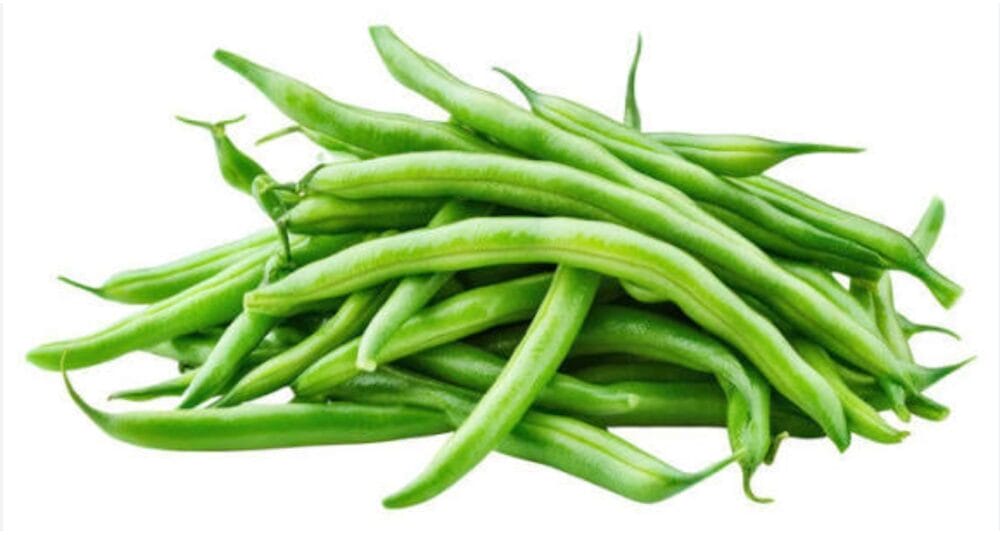
String beans, also known as green beans, snap beans, or French beans, are one of the most popular vegetable crops grown worldwide. They are valued for their tender pods, rich nutritional profile, and versatility in cooking.
String beans are easy to cultivate, have a short growing period, and provide good yields, making them suitable for both home gardeners and commercial farmers. This blog explains everything you need to know about string beans cultivation—from soil preparation to harvesting.
Climate and Season for String Beans
String beans thrive best in a warm and mild climate. The ideal temperature range for growth is 18°C to 30°C. Extreme cold or frost can damage the plants, while very high temperatures may reduce flowering and pod formation.
In India, string beans can be grown:
- Kharif season: June to July
- Rabi season: October to November
- Summer season (with irrigation): January to February
They require full sunlight for at least 6–8 hours a day for healthy growth.
Soil Requirements
String beans grow well in well-drained, fertile loamy soil. The soil should be rich in organic matter and have good moisture-holding capacity without waterlogging.
- Ideal soil pH: 6.0 to 7.0
- Avoid heavy clay soils, as they restrict root development.
- Sandy loam soils enriched with compost or farmyard manure (FYM) give the best results.
Before sowing, plough the land 2–3 times to make it fine and weed-free.
Also Read:Top 10 Health Benefits of Apple

Varieties of String Beans
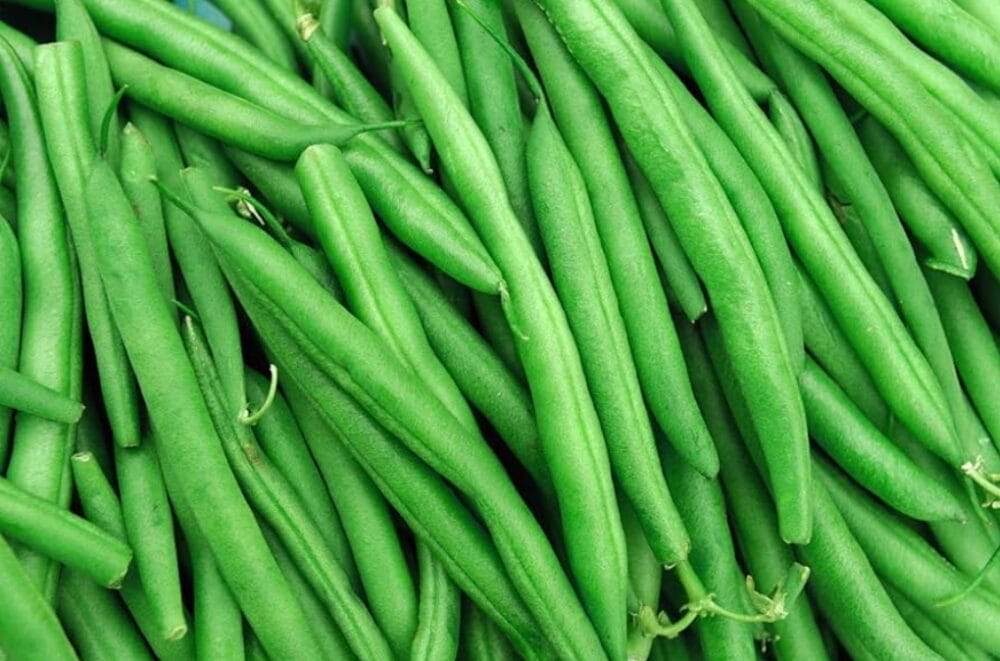
There are two main types of string beans:
- Bush varieties: Compact plants, early maturing, suitable for small gardens.
- Pole varieties: Climbing plants, higher yield, require support like stakes or trellis.
Popular varieties include Contender, Blue Lake, Kentucky Wonder, Arka Komal, and Pusa Parvati.
Seed Selection and Sowing
Always use certified, disease-free seeds for better germination and yield.
- Seed rate: 20–25 kg per hectare for bush types, 8–10 kg for pole types
- Spacing:
- Bush beans: 45 × 10 cm
- Pole beans: 75 × 30 cm
Seeds are sown directly in the field at a depth of 3–5 cm. Light irrigation after sowing helps in quick germination, which usually occurs within 7–10 days.
Manure and Fertilizer Management
String beans respond well to organic and balanced nutrient application.
- Apply 20–25 tons of FYM per hectare during land preparation.
- A recommended fertilizer dose is NPK 50:75:75 kg per hectare.
- Apply half nitrogen and full phosphorus and potassium at sowing.
- The remaining nitrogen can be top-dressed after 25–30 days.
Being a leguminous crop, string beans can fix atmospheric nitrogen, reducing the need for excess nitrogen fertilizers.
Also Read: Top 7 Organic Fertilisers for Coconut Trees
Irrigation Management
Proper watering is essential for healthy pod development.
- Provide the first irrigation immediately after sowing.
- Subsequent irrigation should be given at 7–10 day intervals, depending on soil moisture.
- Critical stages for irrigation are flowering and pod formation.
- Avoid over-irrigation, as it may cause root rot and fungal diseases.
Weed Control and Intercultural Operations
Weeds compete with string bean plants for nutrients and water, especially during early growth.
- Carry out 2–3 hand weedings within the first 30–40 days.
- Mulching with dry straw or plastic mulch helps suppress weeds and retain soil moisture.
- Light earthing up improves plant stability and root growth.
Pest and Disease Management
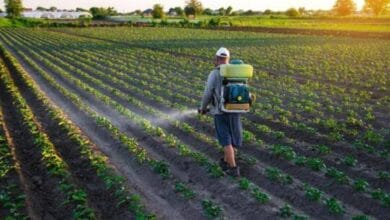
Common pests affecting string beans include aphids, thrips, pod borers, and leaf miners. Diseases such as powdery mildew, rust, and anthracnose are also common.
- Use resistant varieties whenever possible.
- Practice crop rotation to reduce disease buildup.
- Neem oil spray helps control sucking pests naturally.
- Ensure proper spacing and air circulation to prevent fungal infections.
Harvesting and Yield
String beans are ready for harvest 45–60 days after sowing, depending on the variety.
- Pods should be harvested when they are tender, green, and immature.
- Regular harvesting every 3–4 days encourages continuous pod production.
- Average yield:
- Bush varieties: 6–8 tons per hectare
- Pole varieties: 10–12 tons per hectare
Freshly harvested beans fetch better market prices and have higher nutritional value.
Storage and Marketing
String beans are best consumed fresh. However, they can be stored for 7–10 days at 5–7°C with high humidity. Proper grading and packaging increase market value, especially for export and supermarket supply.
Frequently Asked Questions (FAQ)
Q1. How long do string beans take to grow?
String beans take about 45 to 60 days from sowing to first harvest.
Q2. Can string beans be grown in pots?
Yes, bush varieties grow well in containers with good drainage and sunlight.
Q3. How often should string beans be watered?
Water every 7–10 days, and more frequently during flowering and pod formation.
Q4. Do string beans need fertilizer?
Yes, balanced fertilization improves yield, though they need less nitrogen due to nitrogen fixation.
Q5. What is the best season to grow string beans in India?
They can be grown during Kharif, Rabi, and summer seasons with proper irrigation.
Also Read:How to Grow Green Beans
-

-

-
-
-
-

-

-

-
-
-
-
-
-

-

-
-

-
-

-

-
-

-

-
-
-

-
-
-

-
-

-

-
-
-
-
-
-

-
-
-

-

-
-

-

-

-
-
-

-