


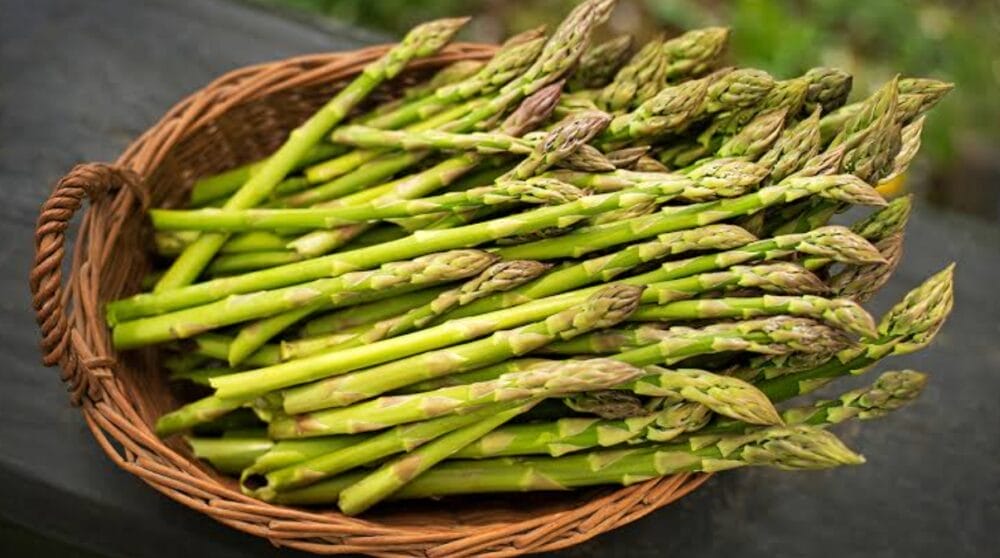
Asparagus (Asparagus officinalis) is a nutritious, high-value perennial vegetable widely appreciated for its tender spears and long productive life. Known for its delicate flavor and rich nutrient profile, asparagus is increasingly gaining popularity among farmers and home gardeners.
Although asparagus cultivation requires patience in the initial years, it can provide profitable yields for 10–15 years once established.
This blog explains everything you need to know about asparagus cultivation, from climate and soil requirements to harvesting and care.
Table of Contents
Climate and Soil Requirements
Asparagus grows best in a cool to moderate climate. It thrives at temperatures between 15°C and 30°C. Extremely high temperatures can reduce spear quality, while frost can damage young shoots. In India, asparagus is suitable for cultivation in temperate and subtropical regions.
The crop prefers well-drained sandy loam soil rich in organic matter. Good drainage is essential, as waterlogging can cause crown and root rot. The ideal soil pH ranges from 6.5 to 7.5. Before planting, deep ploughing and removal of weeds help create a loose soil structure that encourages strong root development.

Varieties of Asparagus
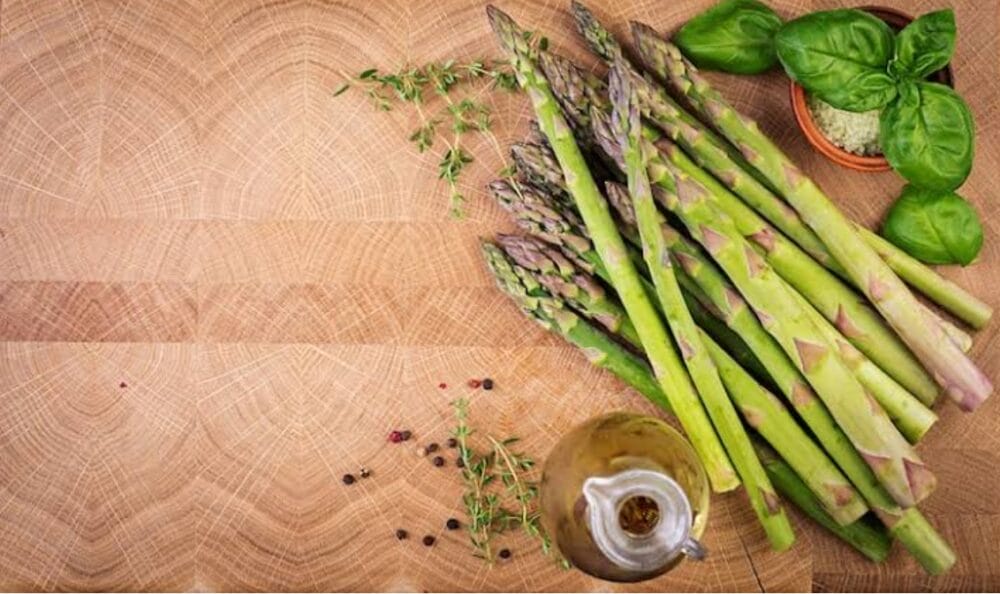
Selecting the right variety plays a crucial role in yield and quality. Common asparagus varieties include:
- Mary Washington – Popular for its high yield and disease resistance
- UC 157 – Suitable for warmer climates and commercial farming
- Viking KB3 – Known for thick spears and uniform growth
- Apollo – Heat-tolerant and early maturing
Hybrid varieties generally produce better yields and stronger spears.
Also Read: Apple Gourd Cultivation: A Complete Guide for Healthy and High-Yield Farming
Propagation and Planting
Asparagus is commonly propagated through crowns (one-year-old roots) or seeds. Crown planting is preferred as it reduces the waiting time for harvest.
- Land Preparation: Prepare raised beds or ridges with a depth of 30–45 cm.
- Spacing: Maintain a spacing of 45–60 cm between plants and 120–150 cm between rows.
- Planting Time: In India, planting is usually done from January to March in cooler regions.
- Planting Method: Place crowns in trenches 10–15 cm deep and cover lightly with soil. As plants grow, gradually fill the trench.
Manure and Fertilizer Management
Asparagus is a heavy feeder and responds well to organic and inorganic fertilizers.
- Apply well-decomposed farmyard manure (20–25 tons/ha) before planting.
- A recommended fertilizer dose is 60–80 kg nitrogen, 60 kg phosphorus, and 60 kg potassium per hectare.
- Nitrogen should be applied in split doses—after harvest and during fern growth.
- Organic mulching helps conserve moisture and improve soil fertility
Also Read : Top 7 Organic Fertilisers for Coconut Trees
Irrigation Practices
Regular irrigation is important, especially during the establishment phase. Light and frequent watering helps young plants develop strong roots.
- Avoid over-irrigation as it can lead to root diseases.
- Drip irrigation is ideal for maintaining uniform soil moisture.
- Reduce watering during the dormant season.
Weed and Pest Management
Weed control is essential, particularly in the first two years.
- Hand weeding or shallow hoeing is recommended.
- Mulching with straw or dry leaves helps suppress weeds.
- Common pests include asparagus beetle and cutworms.
- Diseases such as root rot and rust can be minimized by proper drainage and crop rotation.
Harvesting and Yield
Asparagus requires patience, as harvesting begins 2–3 years after planting.
- In the second year, light harvesting for 2–3 weeks is possible.
- Full harvesting starts from the third year and continues for 6–8 weeks.
- Harvest spears when they are 15–20 cm tall and before tips open.
- Average yield ranges from 4–6 tons per hectare, increasing with good management.
Economic Importance and Uses
Asparagus is highly valued for its nutritional benefits, including vitamins A, C, E, K, fiber, and antioxidants. It is widely used in salads, soups, stir-fries, and gourmet dishes. Due to its growing demand in urban markets and hotels, asparagus cultivation can be a profitable agribusiness.
Frequently Asked Questions (FAQ)
Q1. How long does asparagus take to grow?
Asparagus takes about 2–3 years to establish fully and start producing commercial harvests.
Q2. Can asparagus be grown in India?
Yes, asparagus can be grown in temperate and subtropical regions of India, especially in areas with mild winters.
Q3. How many years does an asparagus plant produce?
A well-maintained asparagus plant can produce for 10–15 years.
Q4. Is asparagus suitable for home gardening?
Yes, asparagus can be grown in home gardens, but it requires space, patience, and proper soil preparation.
Q5. What is the best fertilizer for asparagus?
A combination of organic manure and balanced NPK fertilizer works best for healthy growth and high yield.
Q6. When is the best time to harvest asparagus?
Harvest when spears are 15–20 cm tall and still tightly closed for best quality.
Also Read: How to Grow Green Beans