7 Edible Flowers to Grow in Your Kitchen Garden
Edible flowers bring beauty and flavor to your kitchen garden. From garnishing salads to adding subtle notes to teas, desserts, and savory dishes, these blooms are as practical as they are pretty. Best of all, many edible flowers are easy to grow, quick to bloom, and perfect for home gardeners—even beginners.
If you want to add color, pollinator power, and edible elegance to your garden, here are 7 edible flowers you can easily grow in your kitchen garden, along with tips on how to use them safely.
Table of Contents
Why Grow Edible Flowers at Home?
Growing edible flowers at home ensures they are chemical-free, fresh, and safe to eat. Store-bought flowers are often treated with pesticides and are not meant for consumption. Homegrown blooms also:
- Enhance garden biodiversity
- Attract bees and butterflies
- Elevate everyday meals with color and flavor
- Make your kitchen garden visually stunning
1. Nasturtium (Tropaeolum majus)

Flavor: Peppery, similar to arugula
Edible Parts: Flowers, leaves, and seeds
Nasturtiums are one of the easiest edible flowers to grow. Their bright orange, red, and yellow blooms are fast growers and thrive in poor soil—too much fertilizer actually reduces flowering.
How to Use:
Add petals to salads, sandwiches, and wraps for a spicy kick. The leaves are also edible and delicious.
Growing Tip:
Full sun to partial shade; minimal feeding.
Also Read:How to Grow, Harvest, and Enjoy Nasturtium Flowers
2. Calendula (Pot Marigold)
Flavor: Mild, slightly tangy
Edible Parts: Petals
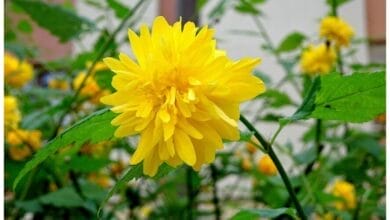
Calendula, often called “poor man’s saffron,” produces cheerful yellow and orange flowers that bloom generously throughout the season. It’s also known for its medicinal and skin-soothing properties.
How to Use:
Sprinkle petals into rice dishes, soups, or baked goods for color.
Growing Tip:
Prefers cool weather and well-drained soil.
3. Rose

Flavor: Sweet, floral
Edible Parts: Petals (white base removed)
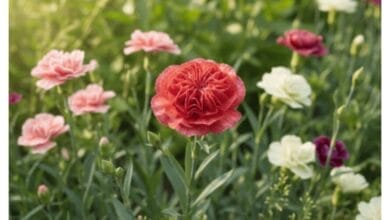
Not all roses are edible, but many fragrant, organically grown varieties are perfectly safe and delicious. Heavily scented roses usually offer the best flavor.
How to Use:
Make rose water, syrups, jams, or add petals to desserts and teas.
Growing Tip:
Grow pesticide-free roses only. Remove the bitter white base of petals before eating.
4. Borage
Flavor: Mild cucumber-like taste
Edible Parts: Flowers and young leaves
Borage produces stunning blue, star-shaped flowers that are irresistible to pollinators. It self-seeds easily and adds a natural charm to kitchen gardens.
How to Use:
Use flowers in lemonades, salads, or freeze them into ice cubes for drinks.
Growing Tip:
Full sun; grows well in containers and garden beds.
Also Read: Sunflower Cultivation: A Complete Guide for Farmers
5. Chive Blossoms
Flavor: Mild onion
Edible Parts: Flowers and leaves
If you already grow chives, don’t let those purple pom-pom flowers go to waste. Chive blossoms are both edible and ornamental.
How to Use:
Break flowers apart and sprinkle over salads, eggs, or potatoes. They also make beautiful infused vinegar.
Growing Tip:
Cut flowers regularly to encourage new growth.
6. Pansy and Viola

Flavor: Mild, slightly grassy or sweet
Edible Parts: Whole flower
Pansies and violas are cool-season flowers that add vibrant colors to dishes. They’re compact, making them ideal for containers and balcony gardens.
How to Use:
Perfect for cake decorations, salads, and dessert garnishes.
Growing Tip:
Grow in partial sun and cooler temperatures for best blooms.
7. Hibiscus (Roselle)
Flavor: Tart, cranberry-like
Edible Parts: Flowers and calyces
Hibiscus is widely used in herbal teas and refreshing drinks. It’s rich in antioxidants and vitamin C, making it both tasty and healthy.
How to Use:
Brew dried flowers into tea, syrups, or chutneys.
Growing Tip:
Needs warm weather, full sun, and regular watering.
Also Read: Marigold Farming: A Complete Guide to Profitable Flower Cultivation
Tips for Safely Eating Edible Flowers
Before adding flowers to your plate, keep these safety tips in mind:
- Grow flowers organically—no chemical sprays
- Eat only flowers you can positively identify
- Harvest in the morning after dew dries
- Wash gently before use
- Start with small amounts to test sensitivity
Final Thoughts
Edible flowers are a delightful way to combine beauty, nutrition, and creativity in your kitchen garden. Whether you’re brightening a salad with nasturtiums or brewing hibiscus tea, these blooms offer flavor, fragrance, and flair—all from your own backyard.
Start with one or two varieties, grow them organically, and soon you’ll be harvesting flowers that are just as delicious as they are beautiful Just say the word!
Also Read: About 7 Edible Flowers to Grow in Your Kitchen Garden on gardenary.com Site
-

-

-

-

-

-
-

-

-

-

-

-

-

-

-

-

-
-

-
-

-
-
-
-
-
-
-
-
-
-

-
-
-
-

-
-

-
-

-
-

-

-

-
-

-

-

-

-

-
-