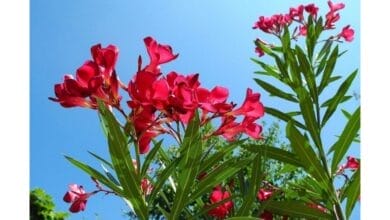
Lucky Vastu Plants for Home
Vastu Shastra, the ancient Indian science of architecture, emphasizes harmony between nature and living spaces. According to Vastu principles,
plants are not just decorative elements; they are powerful sources of positive energy that can attract wealth, health, happiness, and peace into your home.
Choosing the right lucky Vastu plants and placing them correctly can help balance energies and remove negativity.
In this blog, we’ll explore the most auspicious Vastu plants for home, their benefits, and ideal placement to maximize positive vibrations.
Table of Contents
Importance of Plants in Vastu Shastra
Plants symbolize growth, vitality, and life force. In Vastu Shastra, green plants represent the wood element, which enhances prosperity and emotional well-being. Indoor plants purify the air, reduce stress, and create a calming atmosphere, making them essential for a balanced and healthy home environment.
However, not all plants are considered Vastu-friendly. Thorny plants, dry plants, or plants with milky sap are often discouraged as they may create negative energy. Selecting lucky plants as per Vastu ensures harmony and abundance.
Best Lucky Vastu Plants for Home
1. Money Plant (Epipremnum aureum)
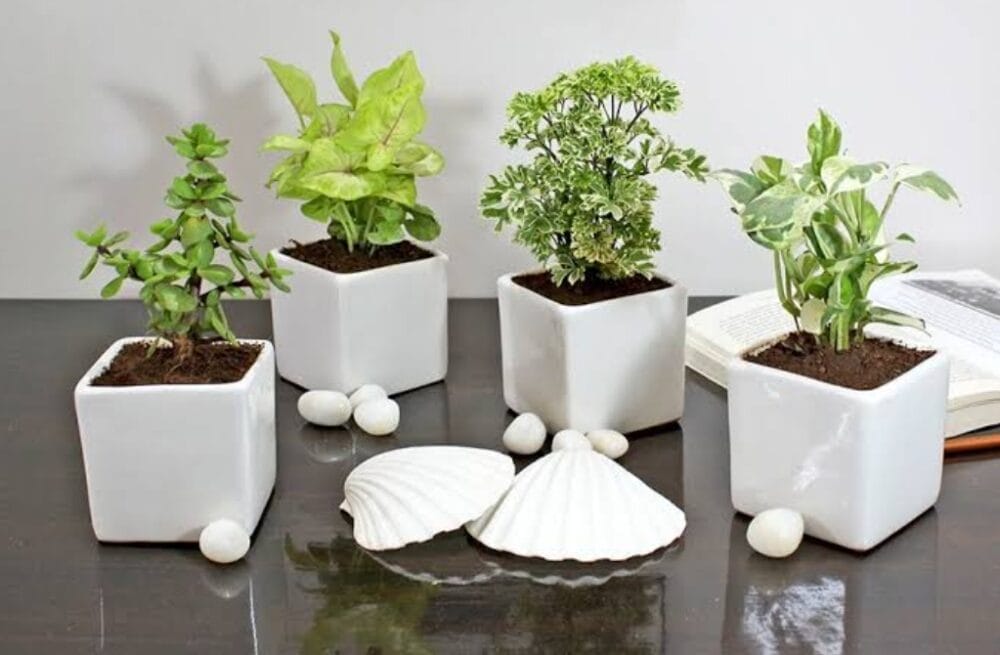
The money plant is one of the most popular Vastu plants, believed to attract wealth, financial stability, and good luck. Its heart-shaped green leaves symbolize growth and prosperity.
Vastu Placement:
Place the money plant in the southeast direction of the house, which is associated with wealth and the planet Venus. It can be grown in water or soil, but ensure the leaves remain healthy and green.
Benefits:
- Attracts financial prosperity
- Reduces stress
- Enhances positive energy flow

Also Read: How to Grow a Money Plant at Home (With Easy Care Tips)
2. Tulsi (Holy Basil)
Tulsi is considered sacred in Indian households and holds immense spiritual and Vastu significance. It is believed to remove negative energy and protect the home from harmful influences.
Vastu Placement:
The best location for a Tulsi plant is the northeast, east, or north direction. Avoid placing it inside the bedroom or in dark areas.
Benefits:
- Purifies air
- Brings peace and spiritual growth
- Promotes good health and positivity
3. Bamboo Plant (Lucky Bamboo)
Lucky bamboo is a symbol of good fortune, happiness, and longevity. Though not native to India, it is widely accepted in Vastu and Feng Shui for its positive energy.
Vastu Placement:
Place lucky bamboo in the east direction for family harmony or southeast for wealth and success.
Benefits:
- Enhances luck and prosperity
- Improves emotional well-being
- Adds aesthetic beauty to the home
Also Read: How to Care for Lucky Bamboo: A Complete Guide for Healthy Growth
4. Aloe Vera Plant
Aloe vera is known for its healing properties and Vastu benefits. It absorbs negative energy and brings calmness to the household.
Vastu Placement:
Place aloe vera in the east or north direction of the home. Avoid keeping it in bedrooms.
Benefits:
- Promotes good health
- Removes negative energy
- Easy to maintain
5. Peace Lily
The peace lily is a beautiful indoor plant associated with peace, purity, and harmony. It helps balance energies and enhances mental clarity.
Vastu Placement:
Place peace lily in the north or northeast direction of the house.
Benefits:
- Reduces stress
- Improves air quality
- Encourages emotional balance
6. Snake Plant (Sansevieria)
Snake plant is valued for its air-purifying qualities and ability to absorb toxins. According to Vastu, it acts as a shield against negative energy.
Vastu Placement:
Best placed near entrances or in the southeast direction.
Benefits:
- Protects against negativity
- Improves indoor air quality
- Low maintenance plant
7. Areca Palm
Areca palm is a Vastu-approved indoor plant that promotes freshness and positivity. It also helps maintain humidity levels indoors.
Vastu Placement:
Place it in the east or north direction for best results.
Benefits:
- Brings prosperity and good luck
- Enhances oxygen levels
- Creates a soothing environment
Plants to Avoid as per Vastu
While selecting lucky plants, it’s equally important to avoid inauspicious ones:
- Cactus and thorny plants
- Bonsai plants (symbolize restricted growth)
- Dead or dry plants
- Plants with milky sap
These plants may block positive energy or create imbalance in the home.
Conclusion
Lucky Vastu plants for home play a vital role in enhancing positivity, prosperity, and peace. By choosing the right plants and placing them correctly as per Vastu Shastra, you can create a harmonious living environment filled with growth and good fortune.
Always ensure plants are well-maintained, as healthy plants attract positive energy, while neglected ones can have the opposite effect.
Frequently Asked Questions (FAQ)
Q1. Which is the most lucky plant for home according to Vastu?
The money plant and Tulsi are considered the most auspicious plants for home as per Vastu Shastra.
Q2. Can we keep plants in the bedroom as per Vastu?
Yes, plants like snake plant or peace lily can be kept in the bedroom, but avoid placing too many plants or large plants there.
Q3. Is cactus good or bad for home Vastu?
Cactus is generally considered bad for home Vastu due to its thorns, which are believed to attract negative energy.
Q4. Where should I place a money plant for good luck?
The southeast direction is ideal for placing a money plant to attract wealth and prosperity.
Q5. Can artificial plants be used for Vastu?
Artificial plants are not recommended for Vastu purposes, as they lack life energy and do not provide positive vibrations.
Q6. How many lucky bamboo stalks are best for home?
According to Vastu and Feng Shui, 3, 5, or 7 stalks are considered lucky for home.
Also Read: Vastu Plants for Home
-

-

-

-

-

-
-

-

-

-

-

-

-

-

-

-

-
-

-
-

-
-
-
-
-
-
-
-
-
-

-
-
-
-

-
-

-
-

-
-

-

-

-
-

-

-

-

-

-
-