Palm Tree
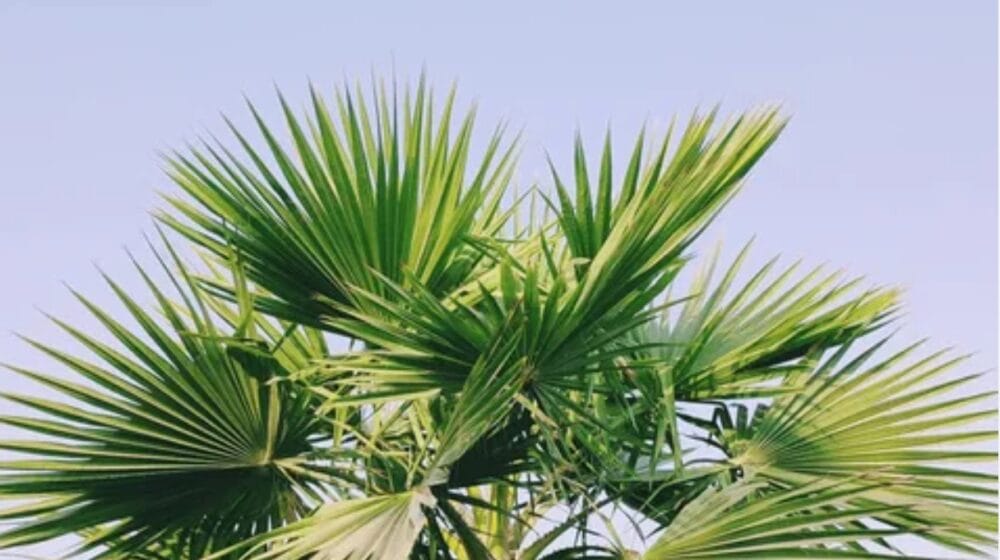
Palm trees are iconic plants that instantly add a tropical, elegant vibe to any home. Whether grown indoors in pots or outdoors on balconies, terraces, or gardens, palm trees are surprisingly easy to care for when their basic needs are met.
From improving air quality to enhancing home décor, growing a palm tree at home offers both aesthetic and practical benefits. This guide will walk you through everything you need to know about successfully growing palm trees at home.
Why Grow Palm Trees at Home?
Palm trees are popular houseplants because they are hardy, long-lasting, and visually appealing. They adapt well to indoor environments and require minimal maintenance compared to many flowering plants. Palms also help purify indoor air by filtering toxins and increasing humidity, making them excellent choices for healthier living spaces.
Popular palm varieties suitable for home growing include Areca Palm, Bamboo Palm, Parlor Palm, Kentia Palm, and Date Palm (dwarf varieties).

Choosing the Right Palm Tree Variety
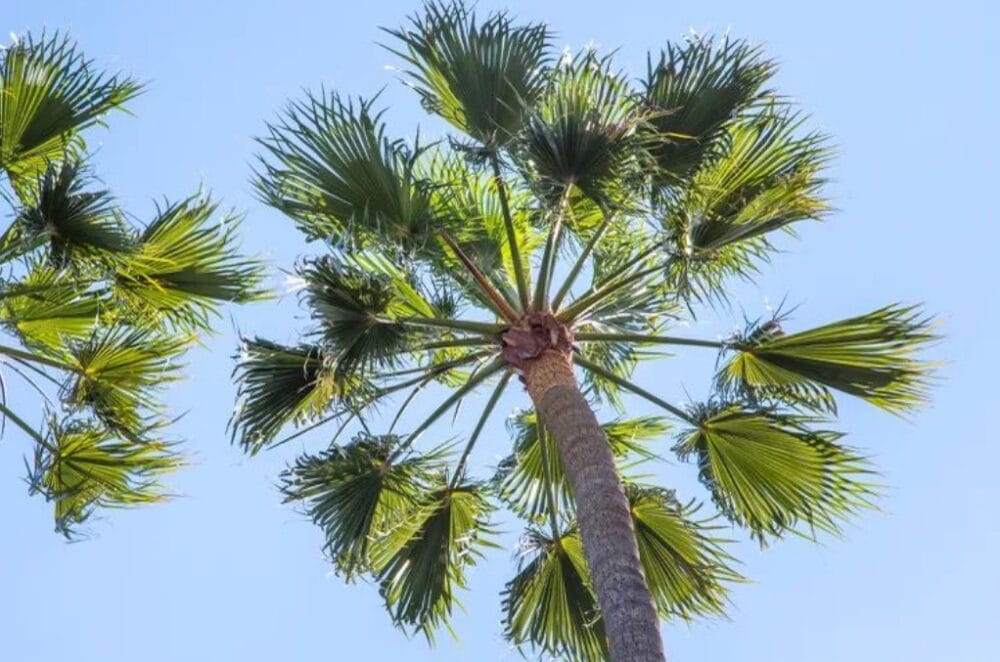
Selecting the right palm variety is the first step to success. For indoor growing, choose slow-growing, compact palms such as Parlor Palm or Areca Palm. These varieties tolerate low light and limited space. For outdoor spaces like terraces or gardens, larger palms like Fan Palm or Bottle Palm can be considered, depending on climate and space availability.
Always consider your local climate, available sunlight, and space before purchasing a palm tree.
Also Read: 7 Lucky Vastu Plants for Home: Bring Prosperity, Peace, and Positive Energy
Ideal Growing Conditions for Palm Trees
1. Light Requirements
Palm trees generally prefer bright, indirect sunlight. Place indoor palms near a window where they receive filtered light. Direct, harsh sunlight can scorch the leaves, while too little light may slow growth. Outdoor palms usually thrive in partial shade to full sun, depending on the species.
2. Soil Requirements
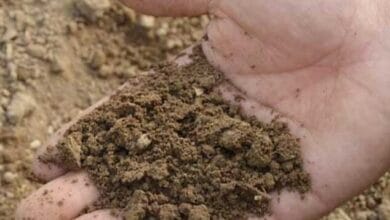
Well-draining soil is crucial for palm trees. Use a loose potting mix made of garden soil, sand, and compost or coco peat. Poor drainage can lead to root rot, one of the most common problems in palms.
3. Pot Selection
Choose a pot with proper drainage holes. Palms do not like waterlogged soil. Start with a medium-sized pot and gradually repot as the plant grows. Avoid oversized pots, as they retain excess moisture.
Also Read: How to Grow a Money Plant at Home (With Easy Care Tips)
Watering Palm Trees at Home
Watering is one of the most important aspects of palm care. Palms prefer consistently moist soil but do not tolerate overwatering.
- Water when the top 2–3 cm of soil feels dry
- Reduce watering during winter
- Ensure excess water drains out completely
Overwatering can cause yellowing leaves and root rot, while underwatering may result in brown leaf tips.
Temperature and Humidity Needs
Palm trees thrive in warm temperatures ranging between 18°C and 30°C. They are sensitive to cold drafts and frost, so keep indoor palms away from air conditioners and cold windows.
Palms love humidity. In dry climates or air-conditioned rooms, mist the leaves regularly or place a tray of water near the plant to maintain humidity levels.
Fertilizing Palm Trees
Palm trees benefit from regular feeding during the growing season (spring and summer). Use a balanced liquid fertilizer or a fertilizer specially formulated for palms once every 4–6 weeks. Avoid over-fertilizing, as it can cause leaf burn and nutrient imbalance.
Organic compost or vermicompost can also be added occasionally to improve soil fertility.
Pruning and Maintenance
Remove only completely dried or yellow leaves using clean pruning tools. Avoid cutting green leaves, as they provide essential nutrients to the plant. Wipe leaves with a damp cloth to remove dust and keep them shiny and healthy.
Regular inspection helps prevent pest infestations such as spider mites, mealybugs, or scale insects.
Common Problems While Growing Palm Trees
Some common issues include yellowing leaves, brown tips, slow growth, or pest attacks. Most problems are related to improper watering, low humidity, or nutrient deficiency. Correcting these conditions usually restores plant health.
Benefits of Growing Palm Trees at Home
- Enhances indoor and outdoor décor
- Improves air quality
- Low maintenance plant
- Creates a calming, tropical atmosphere
- Long-lasting and durable plant
Frequently Asked Questions (FAQ)
Q1. Can palm trees be grown indoors at home?
Yes, many palm varieties like Areca Palm, Parlor Palm, and Bamboo Palm grow very well indoors with proper light and care.
Q2. How often should I water a palm tree?
Water when the top layer of soil feels dry. Typically, 1–2 times a week is sufficient, depending on climate and season.
Q3. Do palm trees need direct sunlight?
Most palms prefer bright, indirect sunlight. Some outdoor varieties can tolerate direct sun, but indoor palms should be protected from harsh rays.
Q4. Why are my palm leaves turning yellow or brown?
Yellow or brown leaves are usually caused by overwatering, underwatering, low humidity, or nutrient deficiency.
Q5. Can I grow a palm tree from seeds at home?
Yes, palm trees can be grown from seeds, but germination is slow and requires patience, warmth, and consistent moisture.
Q6. How long do palm trees live in pots?
With proper care, palm trees can live for many years—even decades—in pots.
Also Read: Vastu Plants for Home
-

-

-
-
-

-
-

-

-
-
-
-
-

-

-

-
-

-
-

-

-
-
-

-
-

-

-
-

-

-
-

-
-
-

-
-
-
-

-
-

-

-

-
-

-

-

-

-

-

-