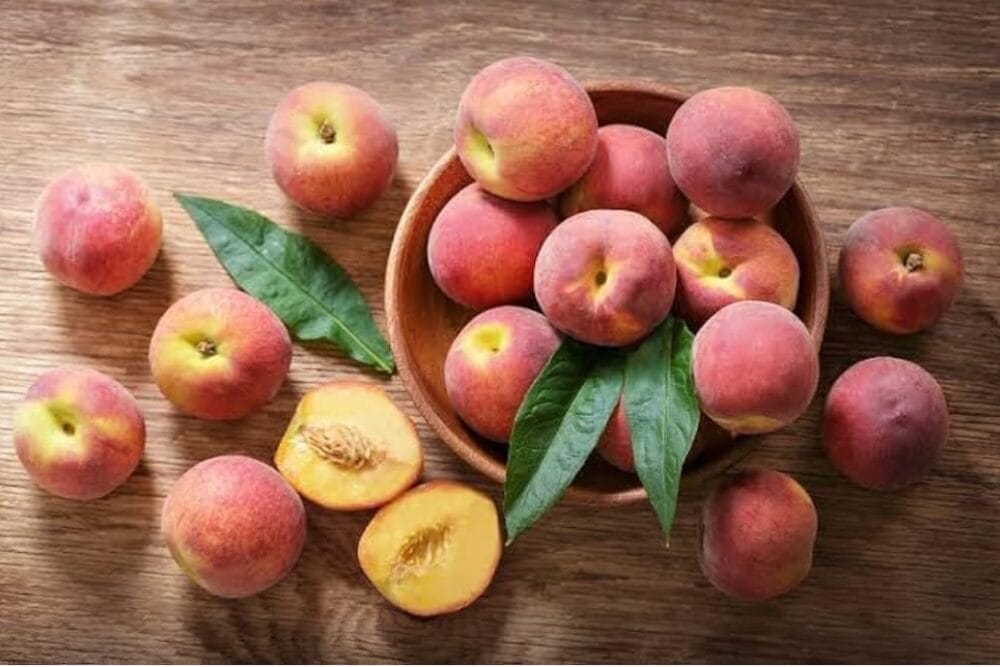
Peach (Prunus persica) is one of the most popular stone fruits in the world, loved for its sweet flavor, juicy flesh, and nutritional value. Originally native to China, peach cultivation has spread across temperate and subtropical regions, including parts of India, the USA, Europe, and Australia.
With proper climate, soil, and care, peach trees can be highly productive and profitable for farmers as well as home gardeners. This guide explains everything you need to know about peach cultivation, from climate requirements to harvesting and post-harvest care.
1. Climate Requirements for Peach Cultivation
Peach trees thrive best in temperate climates with distinct seasons. They require a certain amount of winter chilling hours (200–1,000 hours below 7°C, depending on the variety) to break dormancy and ensure good flowering. In India, peaches are commonly grown in hilly regions such as Himachal Pradesh, Jammu & Kashmir, Uttarakhand, and parts of the North-East.
The ideal temperature for peach growth ranges between 20°C and 30°C during the growing season. Late spring frosts can damage flowers and young fruits, so areas prone to frost should adopt frost-protection measures. Excessive humidity and rainfall during flowering may increase disease incidence, so well-ventilated locations are preferred.
2. Soil Requirements
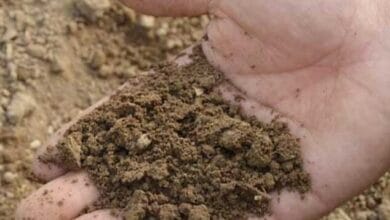
Peach trees grow best in deep, well-drained sandy loam or loamy soils rich in organic matter. Good drainage is essential, as waterlogged conditions can cause root rot and reduce tree lifespan. The ideal soil pH for peach cultivation is between 6.0 and 7.5.
Before planting, the soil should be tested and prepared properly. Adding well-decomposed farmyard manure or compost improves soil fertility and structure. Heavy clay soils should be avoided unless proper drainage arrangements are made.

Also Read : Litchi Cultivation: Complete Guide for Successful Farming
3. Varieties of Peach
Choosing the right variety is crucial for successful peach cultivation. Some popular peach varieties include:
- Early Grande – Early maturing, good yield, suitable for warm regions
- Flordasun – Low chilling requirement, ideal for subtropical areas
- Shan-e-Punjab – Medium-sized fruits, good taste
- July Elberta – Large fruits, excellent flavor
- Red Haven – Widely grown, high-quality fruits
Farmers should select varieties based on local climate, chilling requirement, and market demand.
4. Propagation and Planting
Peach is commonly propagated through budding or grafting on suitable rootstocks. Healthy, disease-free planting material should always be used to ensure good establishment.
Planting is usually done during the dormant season, from December to January in hilly regions. Pits of size 1 m × 1 m × 1 m are dug and filled with topsoil mixed with compost and well-rotted manure. The recommended spacing for peach trees is generally 5 m × 5 m, depending on the variety and training system.
After planting, young trees should be irrigated immediately and supported with stakes to protect them from wind damage.
5. Training and Pruning
Training and pruning are essential practices in peach cultivation because the fruit is borne on one-year-old shoots. The open center (vase-shaped) system is most commonly followed, as it allows better sunlight penetration and air circulation.
Pruning should be done annually during the dormant season to remove dead, diseased, and overcrowded branches. Proper pruning encourages the growth of new fruiting shoots, improves fruit quality, and maintains tree shape and size.
6. Irrigation and Nutrient Management
Peach trees require regular irrigation, especially during flowering, fruit development, and dry periods. However, over-irrigation should be avoided to prevent root diseases. Drip irrigation is highly recommended, as it saves water and provides uniform moisture.
For good yields, balanced fertilization is important. A general fertilizer schedule includes nitrogen, phosphorus, and potassium, along with organic manure. Nitrogen promotes vegetative growth, while phosphorus and potassium improve flowering, fruit set, and fruit quality. Micronutrients like zinc and boron may be applied if deficiencies are observed.
Also Read: Nutrient Deficiency Chart for Aquarium Plants: Symptoms, Causes, and Solutions
7. Pest and Disease Management
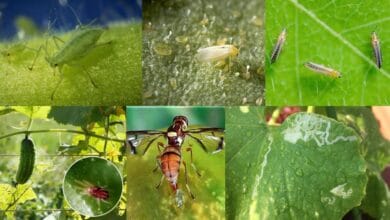
Common pests affecting peach include fruit fly, aphids, peach leaf curl aphid, and borers. Major diseases include leaf curl, powdery mildew, brown rot, and bacterial spot.
Integrated Pest Management (IPM) practices such as orchard sanitation, use of resistant varieties, proper pruning, and timely application of bio-pesticides or recommended chemicals help control pests and diseases effectively.
8. Harvesting and Yield
Peach fruits are usually ready for harvest 90–120 days after flowering, depending on the variety. Fruits should be harvested when they attain full size, characteristic color, and slight softness. Overripe fruits are easily damaged during transport, so harvesting at the right stage is crucial.
A well-managed peach tree starts bearing fruit from the third year onward. Average yields range from 30 to 50 kg per tree, which can increase with proper care and management.
9. Post-Harvest Handling
After harvesting, fruits should be graded, packed carefully, and stored in cool conditions to extend shelf life. Peaches are highly perishable and should be marketed quickly. Cold storage at 0–1°C with high humidity helps reduce spoilage and maintain quality.
Frequently Asked Questions (FAQ)
Q1. How long does a peach tree take to bear fruit?
A peach tree generally starts bearing fruit within 2–3 years after planting.
Q2. Can peaches be grown in tropical regions?
Peaches require chilling hours, but low-chill varieties can be grown successfully in subtropical regions.
Q3. What is the best season to plant peach trees?
The best time to plant peach trees is during winter dormancy, usually from December to January.
Q4. How often should peach trees be pruned?
Peach trees should be pruned every year during the dormant season to ensure good fruiting.
Q5. What is the average lifespan of a peach tree?
A peach tree typically has a productive lifespan of 12–15 years with proper care.
Q6. Are peaches profitable to grow?
Yes, with good management, high-quality varieties, and proper market access, peach cultivation can be highly profitable.
Also Read:Peaches
-

-
-
-
-
-

-

-

-
-
-
-
-
-
-
-
-

-
-

-

-
-
-
-
-

-
-
-
-

-
-

-
-
-
-
-
-
-

-
-
-

-

-

-

-
-

-
-
-

-