


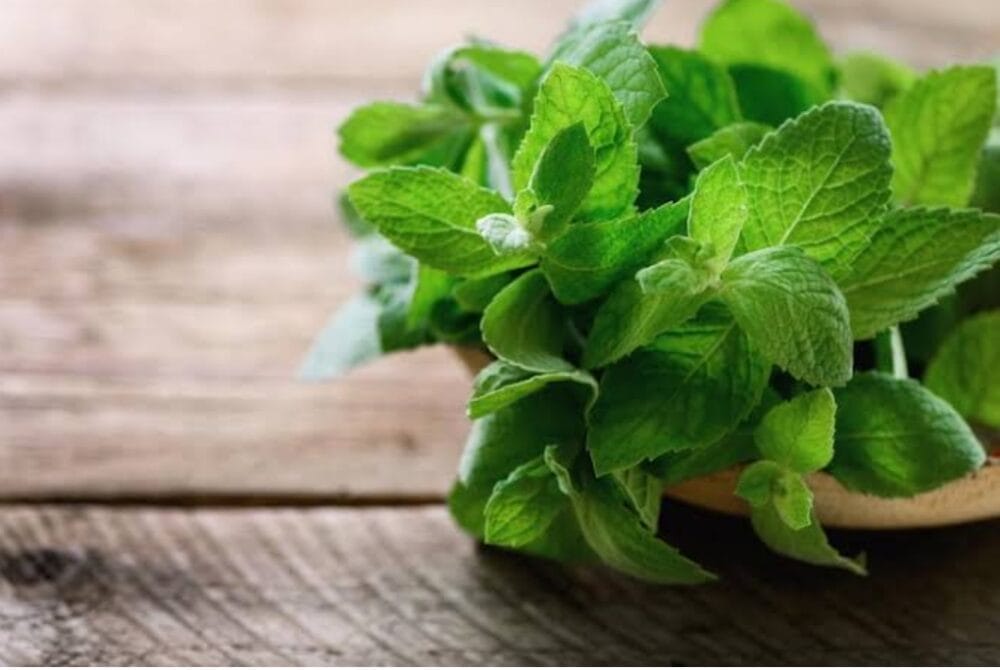
Mint Leaves
Mint (Mentha spp.) is one of the easiest and most rewarding herbs to grow at home. Known for its refreshing aroma and wide culinary and medicinal uses, mint leaves are popular in teas, chutneys, salads, drinks, and home remedies.
Whether you have a garden, balcony, or small kitchen space, mint can thrive with minimal care. However, proper growing techniques are essential to get lush, flavorful leaves and to prevent the plant from becoming invasive.
This guide covers practical mint leaves growing tips to help you cultivate healthy plants year-round.
Table of Contents
Choosing the Right Mint Variety
There are many types of mint, including spearmint, peppermint, chocolate mint, apple mint, and lemon mint. Spearmint and peppermint are the most commonly grown varieties for home use. Choose a variety based on your climate and intended use.
Most mint varieties grow well in warm and moderate climates and adapt easily to containers or garden beds.
Best Location for Growing Mint
Mint prefers a location with partial sunlight. Ideally, provide 4–6 hours of sunlight daily. Too much direct sunlight can scorch the leaves, while too little light can make the plant leggy and weak. If growing indoors, place the pot near a bright window with indirect sunlight.
Mint grows aggressively, so it’s best to plant it in containers or pots rather than directly in the ground. This helps control its spread and keeps it manageable.
Also Read: Indoor Plants for Bathroom: Best Green Companions for a Fresh & Relaxing Space
Soil Requirements
Mint thrives in well-draining, fertile soil rich in organic matter. The ideal soil pH ranges between 6.0 and 7.0. Mix garden soil with compost or well-rotted manure to improve fertility. Avoid compact or waterlogged soil, as it can lead to root rot.
Planting Mint Leaves
Mint is usually grown from cuttings, runners, or root divisions, as seeds can be slow and unreliable. To plant mint:
- Take a healthy cutting with 3–4 leaf nodes.
- Place it in water until roots develop, or plant directly in moist soil.
- Space plants at least 12–18 inches apart if planting multiple pots.
Mint establishes quickly and starts producing leaves within a few weeks.
Also Read: How to Grow a Money Plant at Home (With Easy Care Tips)
Watering Tips
Mint loves moisture but dislikes soggy soil. Water the plant regularly, keeping the soil consistently moist. During hot weather, daily watering may be required, especially for potted plants. Reduce watering in cooler months but do not let the soil dry out completely.
A layer of mulch can help retain moisture and regulate soil temperature.
Fertilizing Mint Plants
Mint is not a heavy feeder, but occasional fertilization boosts leaf growth. Apply organic compost, vermicompost, or liquid organic fertilizer once every 3–4 weeks. Avoid excessive nitrogen fertilizers, as they may reduce the aroma and essential oil content of the leaves.
Pruning and Harvesting
Regular pruning is one of the most important mint leaves growing tips. Pruning encourages bushy growth and prevents flowering, which can reduce leaf flavor.
- Start harvesting once the plant reaches 6–8 inches in height.
- Always cut stems just above a leaf node.
- Harvest in the morning for the best aroma and taste.
- Never remove more than one-third of the plant at a time.
Pinching off flower buds helps maintain leaf quality.
Pest and Disease Management
Mint is relatively pest-resistant but can occasionally attract aphids, spider mites, and whiteflies. To control pests:
- Spray neem oil or mild soap solution weekly.
- Keep the plant well-ventilated and avoid overcrowding.
Common diseases include root rot and fungal infections caused by overwatering. Ensure proper drainage and avoid wetting the leaves excessively.
Seasonal Care
Mint grows vigorously during spring and summer. In winter, growth slows down. If you live in a cold region, move potted mint indoors or protect outdoor plants with mulch. Trim back dead stems to encourage fresh growth when the weather warms.
Frequently Asked Questions (FAQ)
Q1. Can mint be grown indoors?
Yes, mint grows well indoors if it receives bright, indirect sunlight and regular watering. Place it near a window and ensure good air circulation.
Q2. How often should mint be watered?
Water mint whenever the topsoil feels slightly dry. In summer, watering may be required daily, while in winter, reduce frequency.
Q3. Does mint need full sunlight?
No, mint prefers partial sunlight. Too much direct sun can damage the leaves.
Q4. Why is my mint plant turning yellow?
Yellowing leaves are usually caused by overwatering, poor drainage, or nutrient deficiency. Improve soil drainage and reduce watering.
Q5. How long does mint take to grow?
Mint starts producing harvestable leaves within 3–4 weeks of planting under ideal conditions.
Q6. Can mint grow year-round?
Yes, mint can grow year-round in warm climates or indoors with proper care.
Q7. Should I let my mint flower?
It’s better to pinch off flowers, as flowering reduces leaf flavor and slows growth.
Also Read: Health Benefits of Mint Leaves