Bitter Gourd Cultivation
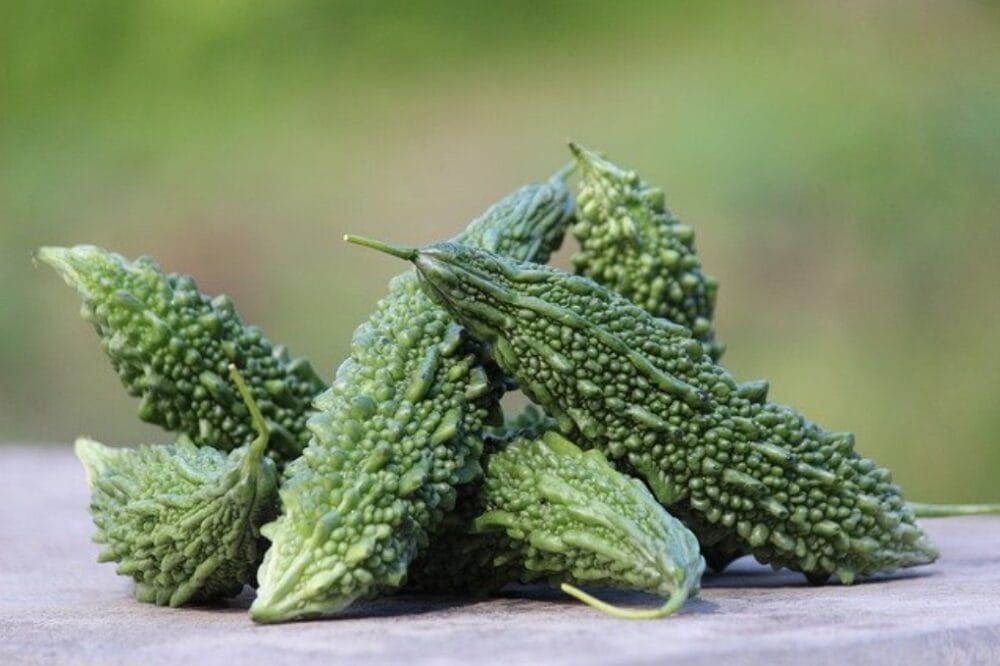
Bitter gourd (Momordica charantia), also known as bitter melon or karela, is an important vegetable crop widely grown in tropical and subtropical regions. It is valued not only for its distinct bitter taste but also for its medicinal properties, especially in managing diabetes.
Bitter gourd cultivation can be highly profitable if proper agronomic practices are followed. This blog provides a detailed guide on climate, soil, varieties, sowing, nutrient management, irrigation, pest and disease control, harvesting, and yield, followed by frequently asked questions.
Climate and Soil Requirements
Bitter gourd thrives best in warm and humid climates. The optimum temperature for growth ranges between 24°C and 30°C. It is sensitive to frost and extremely low temperatures, so cultivation is best suited for summer and rainy seasons. Excessive rainfall or waterlogging, however, can negatively affect plant growth.
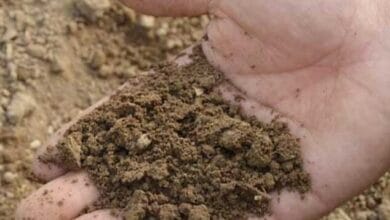
Well-drained sandy loam to loam soils rich in organic matter are ideal. The soil pH should be between 6.0 and 7.5. Proper drainage is essential, as water stagnation can lead to root rot and fungal diseases.
Popular Varieties of Bitter Gourd
Choosing the right variety plays a crucial role in yield and market acceptance. Some commonly grown varieties include:
- Pusa Do Mausami
- Pusa Vishesh
- Arka Harit
- Coimbatore Long
- Priya
- Hybrid varieties like US 6214, MH-47, and Indam Bitter Gourd hybrids
Hybrid varieties generally offer higher yield, uniform fruits, and better disease resistance.

Also Read: Organic Sweet Potato Farming
Land Preparation
The land should be ploughed 2–3 times to make the soil fine and friable. Remove weeds and crop residues from the previous crop. Incorporate well-decomposed farmyard manure (FYM) at the rate of 20–25 tons per hectare during land preparation to improve soil fertility and structure.
Raised beds or ridges and furrows are recommended, especially in areas with heavy rainfall, to ensure proper drainage.
Sowing and Spacing
Bitter gourd is usually propagated by seeds. Before sowing, seeds can be soaked in water for 12–24 hours to improve germination.
- Seed rate: 3–4 kg per hectare
- Spacing:
- Row-to-row: 1.5–2.0 meters
- Plant-to-plant: 45–60 cm
Seeds are sown at a depth of 2–3 cm, usually 2–3 seeds per pit. After germination, healthy seedlings are retained.
Nutrient Management
Balanced nutrition is essential for healthy vine growth and higher fruiting. A general fertilizer recommendation per hectare includes:
- Nitrogen (N): 60–80 kg
- Phosphorus (P₂O₅): 50 kg
- Potassium (K₂O): 50 kg
Apply the full dose of phosphorus and potassium and half of nitrogen as a basal dose. The remaining nitrogen should be applied in two split doses during vine growth and flowering stages.
The use of organic inputs like vermicompost, neem cake, and biofertilizers (Azospirillum, PSB) can further enhance yield and soil health.
Also Read: Nutrient Deficiency Chart for Aquarium Plants: Symptoms, Causes, and Solutions
Irrigation Management
Irrigation should be done immediately after sowing. Subsequent irrigation depends on soil type and weather conditions. Generally, irrigation at 7–10 day intervals is sufficient during summer, while in rainy seasons irrigation may not be required frequently.
Avoid over-irrigation, as excess moisture can cause root diseases and poor fruit quality. Drip irrigation is highly recommended for efficient water use and better nutrient uptake.
Training and Pruning
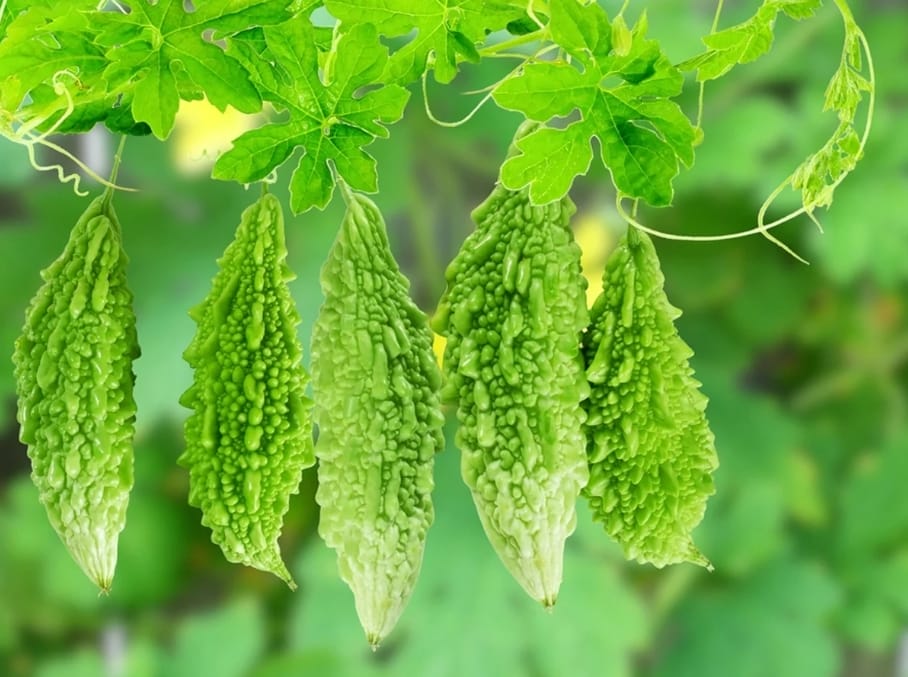
Bitter gourd is a climbing vine and responds well to staking or trellis systems. Training vines on bamboo poles, wires, or pandals improves air circulation, reduces disease incidence, and results in straighter, cleaner fruits.
Light pruning of side shoots during early growth helps in better vine management and higher fruiting.
Pest and Disease Management
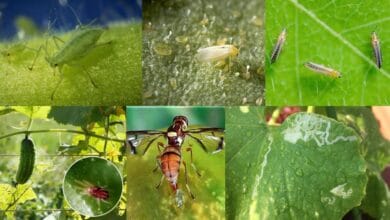
Common pests affecting bitter gourd include:
- Fruit fly
- Aphids
- Whiteflies
- Red spider mites
Use pheromone traps for fruit fly control and neem-based biopesticides for sucking pests. If infestation is severe, recommended chemical pesticides should be used judiciously.
Major diseases include:
- Powdery mildew
- Downy mildew
- Anthracnose
- Mosaic virus
Crop rotation, disease-resistant varieties, proper spacing, and timely fungicide application help in effective disease management.
Harvesting and Yield
Bitter gourd fruits are harvested 12–15 days after fruit set, while they are still green and tender. Delayed harvesting results in yellowing and bitterness, reducing market value.
Harvesting should be done at 2–3 day intervals to encourage continuous fruiting.
- Average yield:
- Open-pollinated varieties: 80–120 quintals per hectare
- Hybrids: 150–250 quintals per hectare
Frequently Asked Questions (FAQ)
Q1. What is the best season for bitter gourd cultivation?
Bitter gourd can be grown in summer and rainy seasons. In tropical regions, it can be cultivated almost year-round except during frost.
Q2. How long does bitter gourd take to grow?
The crop starts yielding within 50–60 days after sowing, depending on the variety and climate.
Q3. Can bitter gourd be grown organically?
Yes, bitter gourd responds well to organic farming using FYM, vermicompost, neem cake, and biopesticides.
Q4. Why are bitter gourd flowers falling without fruit set?
Flower drop may occur due to nutrient imbalance, moisture stress, high temperature, or lack of pollination.
Q5. How can fruit fly infestation be controlled naturally?
Use pheromone traps, destroy infested fruits, and spray neem oil or neem seed kernel extract regularly.
Q6. Is trellising necessary for bitter gourd?
While not mandatory, trellising significantly improves yield, fruit quality, and ease of harvesting.
Conclusion:
Bitter gourd cultivation, when managed scientifically, offers high returns due to its strong market demand and health benefits. By selecting suitable varieties, maintaining proper nutrition and irrigation, and adopting integrated pest management practices, farmers can achieve higher yields and better-quality produce.
Also Read: Agriculture Blogs
-

-
-
-
-
-

-

-

-
-
-
-
-
-

-
-
-
-
-

-

-
-
-
-
-
-
-
-
-
-
-
-
-
-
-
-
-
-

-
-
-

-

-
-

-

-
-

-
-
-