How to Start a Cut Flower Garden for Beginners
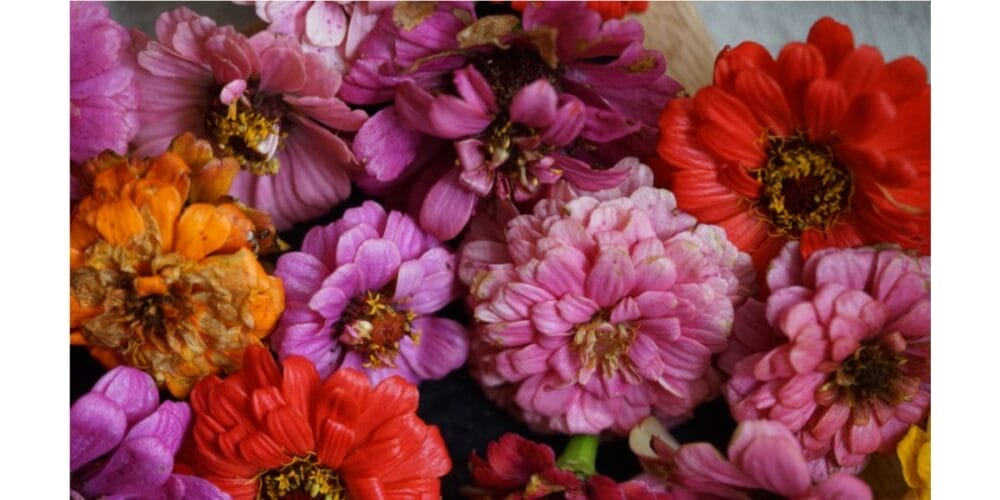
There is something incredibly satisfying about stepping into your garden and cutting a fresh bouquet of flowers for your home. A cut flower garden allows you to grow blooms specifically for harvesting, arranging, and enjoying indoors. The good news is that you don’t need a large space or advanced gardening skills to get started. With a little planning and care, even beginners can create a thriving cut flower garden.
Table of Contents
What Is a Cut Flower Garden?

A cut flower garden is a dedicated space where flowers are grown mainly for cutting and indoor display rather than landscape beauty. Unlike ornamental gardens, these gardens focus on high-yield, long-stemmed, and repeat-blooming flowers that look great in vases and last longer after harvest.
Step 1: Choose the Right Location
The success of your cut flower garden begins with location. Most flowering plants need at least 6–8 hours of direct sunlight daily. Choose an open, sunny spot with good air circulation to reduce disease issues.
Make sure the soil drains well. Flowers do not like “wet feet,” so avoid low-lying areas where water tends to collect. If space is limited, raised beds, containers, or even balcony planters can work perfectly for beginners.
Step 2: Prepare the Soil Properly
Healthy soil leads to healthy flowers. Start by loosening the soil to a depth of about 10–12 inches. Remove weeds, stones, and debris. Mix in well-rotted compost or organic manure to improve soil structure and fertility.
Cut flowers benefit from soil that is rich in organic matter and slightly loose, allowing roots to grow freely. A soil pH between 6.0 and 7.0 is ideal for most flowering plants.
Also Read: Marigold Farming: A Complete Guide to Profitable Flower Cultivation
Step 3: Select Easy-to-Grow Flowers
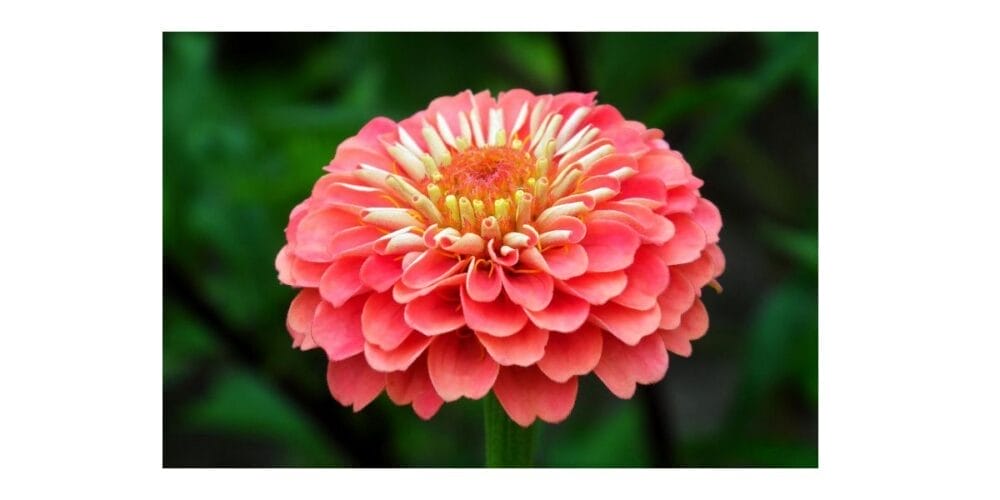
As a beginner, start with flowers that are forgiving, fast-growing, and productive. Some excellent beginner-friendly cut flowers include:
- Zinnias – colorful, long-lasting, and heat-tolerant
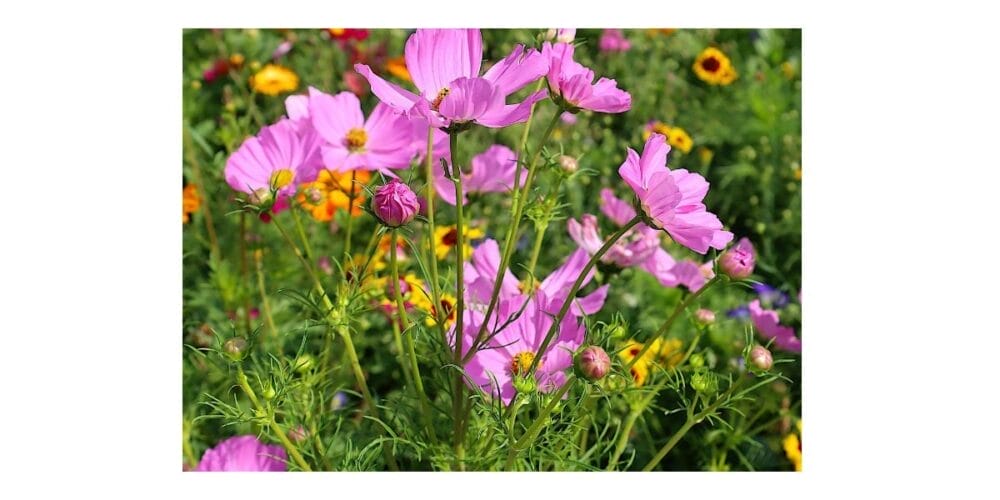
- Cosmos – delicate blooms that thrive with minimal care
- Sunflowers – tall, bold, and perfect for bouquets
- Marigolds – easy to grow and pest-resistant
- Sweet peas – fragrant flowers ideal for cooler seasons
- Gomphrena – drought-tolerant and great for drying
Mix annuals and perennials for continuous blooms throughout the season. Annuals bloom quickly, while perennials return year after year.
Step 4: Plan for Continuous Blooming
To enjoy flowers for cutting over a long period, practice succession planting. This means sowing seeds every 2–3 weeks instead of all at once. As one batch finishes blooming, the next batch begins, ensuring a steady supply of fresh flowers.
Also, choose plants that produce multiple blooms when cut. Many flowers respond to harvesting by producing even more stems.
Step 5: Planting and Spacing
Follow seed packet or plant label instructions for planting depth and spacing. Overcrowding reduces airflow and encourages disease. Give each plant enough room to grow strong stems, which are essential for cut flowers.
Water gently after planting and keep the soil consistently moist during germination. Once established, most flowers prefer deep but less frequent watering.
Step 6: Watering and Feeding
Regular watering is crucial, especially during dry periods. Water early in the morning to prevent fungal problems. Avoid overhead watering whenever possible.
Feed your flowers with organic fertilizers, compost tea, or liquid plant food every few weeks. Balanced nutrition encourages lush foliage and abundant blooms.
Also Read: Tulip Flower Cultivation: A Complete Guide for Gardeners and Growers
Step 7: Support and Maintenance
Some cut flowers, like sunflowers and sweet peas, need staking or trellising. Providing support early prevents stems from bending or breaking later.
Deadheading spent blooms and harvesting flowers regularly keeps plants productive. Remove weeds promptly to reduce competition for nutrients and water.
Step 8: Harvesting Flowers the Right Way
The best time to cut flowers is early morning or late evening when plants are well-hydrated. Use clean, sharp scissors or pruners to avoid damaging stems.
Cut flowers when buds are just starting to open. Immediately place them in clean water and remove any leaves that will sit below the waterline to prevent rot.
Step 9: Simple Pest and Disease Management
Beginners should focus on prevention rather than cure. Healthy soil, proper spacing, and good airflow reduce most problems. Encourage beneficial insects and use organic pest control methods like neem oil or homemade sprays if needed.
Inspect plants regularly so issues can be addressed early.
Also Read: Lotus Flower Cultivation: A Complete Guide for Farmers and Gardeners
Final Thoughts
Starting a cut flower garden for beginners is both rewarding and practical. With basic planning, the right plant choices, and consistent care, you can enjoy fresh, homegrown bouquets throughout the growing season. Whether you grow flowers for personal enjoyment, gifting, or even small-scale selling, a cut flower garden adds beauty, joy, and creativity to your gardening journey.
Start small, learn as you grow, and most importantly, enjoy the process of watching your flowers bloom from seed to stunning arrangements.
Also Read: About How to Start a Cut Flower Garden for Beginners on the gardenary.com Site
-

-

-

-

-

-
-

-

-

-

-

-

-

-

-

-

-
-

-
-

-
-
-
-
-
-
-
-
-
-

-
-
-
-

-
-

-
-

-
-

-

-

-
-

-

-

-

-

-
-