Chilli Cultivation
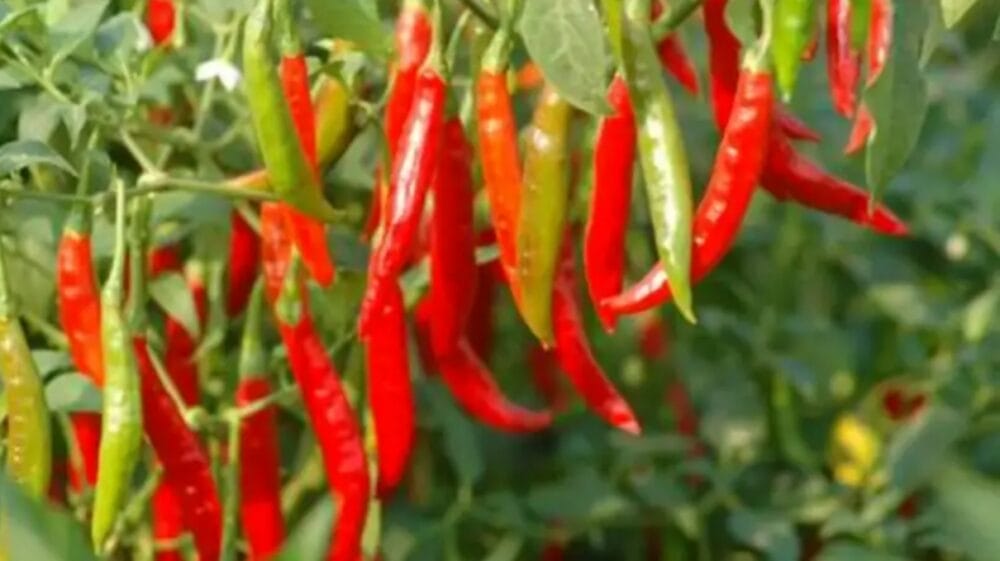
Chilli (Capsicum annuum) is one of the most important spice and vegetable crops grown widely across India and many tropical and subtropical regions of the world. It is valued for its pungency, color, flavor, and rich nutritional and medicinal properties.
Chilli is used in fresh, dried, powdered, and processed forms, making it a highly profitable crop for farmers. With proper cultivation practices, chilli farming can provide good returns throughout the year.
Climate and Soil Requirements
Chilli grows best in warm and humid climates. The ideal temperature for chilli cultivation ranges between 20°C and 30°C. Extremely high temperatures or frost conditions can reduce flower formation and fruit set. Chilli plants require moderate rainfall and cannot tolerate waterlogging.
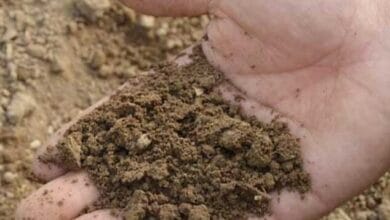
Well-drained loamy or sandy loam soils rich in organic matter are ideal for chilli cultivation. The soil pH should be between 6.0 and 7.0. Heavy clay soils should be avoided, as they cause poor root development and disease problems.
Selection of Varieties
Choosing the right variety is crucial for successful chilli cultivation. Popular chilli varieties grown in India include Pusa Jwala, Byadgi, Guntur Sannam, Kashi Anmol, Kashi Gaurav, Arka Meghana, and Teja. Hybrid varieties are preferred for higher yield, uniform fruits, and disease resistance. Selection should be based on local climate, market demand, and resistance to pests and diseases.

Nursery Preparation and Seed Sowing
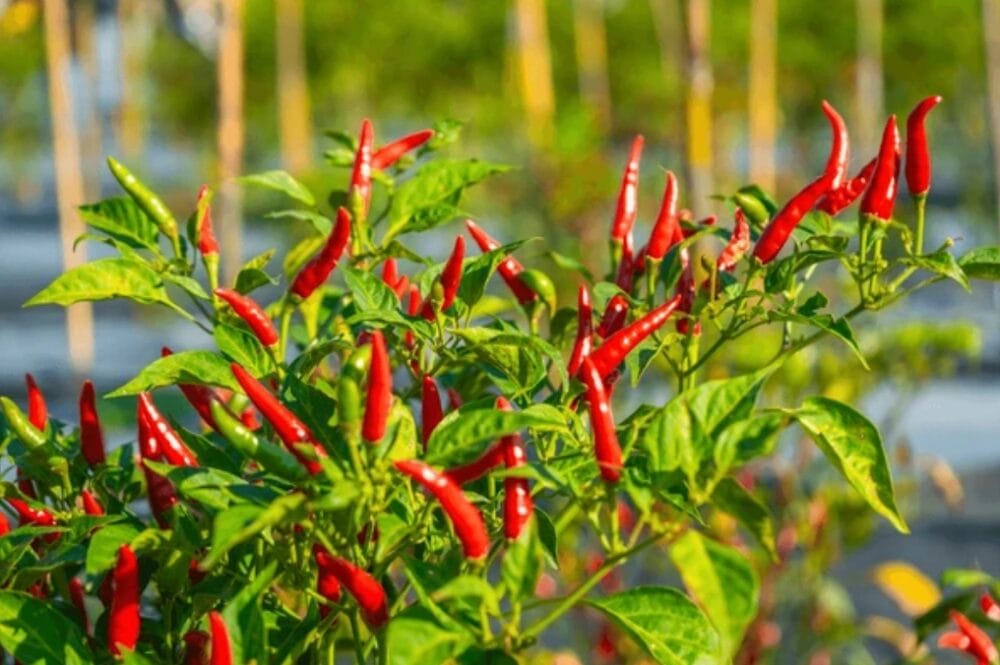
Chilli is usually grown by transplanting seedlings. Healthy seedlings are raised in nursery beds or seed trays. For one hectare of land, 1–1.5 kg of seeds are required.
Nursery beds should be raised to ensure proper drainage. Seeds are treated with fungicides or bio-agents like Trichoderma before sowing to prevent seed-borne diseases. Seeds are sown in lines and covered lightly with soil or compost. Regular watering is essential to maintain moisture. Seedlings become ready for transplanting in 25–30 days.
Land Preparation and Transplanting
The main field should be ploughed 2–3 times to make the soil fine and friable. Well-decomposed farmyard manure (FYM) at 20–25 tons per hectare should be mixed into the soil during land preparation.
Transplanting is done in the evening hours to reduce transplant shock. The recommended spacing is 45 × 45 cm for irrigated crops and 60 × 60 cm for rainfed conditions. Light irrigation is given immediately after transplanting.
Manure and Fertilizer Management
Balanced nutrition is essential for good growth and high yield. A general fertilizer recommendation is 100 kg Nitrogen, 50 kg Phosphorus, and 50 kg Potassium per hectare.
Half of nitrogen and the full dose of phosphorus and potassium are applied as basal dose at transplanting. The remaining nitrogen is applied in two split doses at 30 and 60 days after transplanting. Organic inputs like vermicompost and neem cake improve soil health and reduce pest incidence.
Also Read: Top 7 Organic Fertilisers for Coconut Trees
Irrigation Management
Chilli plants require regular irrigation, especially during flowering and fruit development stages. Over-irrigation should be avoided as it leads to root rot and fungal diseases. In summer, irrigation is given at 5–7 day intervals, while in winter, irrigation at 10–15 day intervals is sufficient. Drip irrigation helps conserve water and increases yield.
Weed Control and Intercultural Operations
Weeds compete with chilli plants for nutrients and moisture. Regular hand weeding or hoeing should be done at 20–25 days and 45 days after transplanting. Mulching with straw or plastic mulch helps control weeds, conserve moisture, and improve fruit quality.
Pest and Disease Management
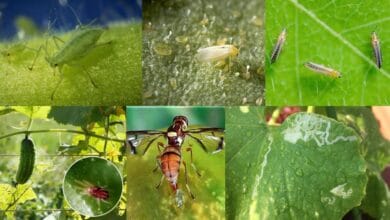
Common pests of chilli include thrips, aphids, mites, and fruit borers. Integrated Pest Management (IPM) practices such as using neem oil, sticky traps, and biological control agents help reduce pest damage.
Major diseases include leaf curl, anthracnose, damping-off, and powdery mildew. Use of resistant varieties, proper spacing, crop rotation, and timely application of fungicides or bio-fungicides help manage diseases effectively.
Also Read: Pomegranate Diseases: Identification, Causes, and Effective Management
Harvesting and Yield
Chilli can be harvested at different stages depending on market demand. Green chillies are harvested 60–90 days after transplanting, while dry chillies are harvested after full maturity and drying on the plant.
Harvesting should be done at regular intervals to encourage continuous fruiting. Average yield ranges from 8–12 tons per hectare for green chillies and 2–3 tons per hectare for dry chillies, depending on variety and management practices.
Frequently Asked Questions (FAQ)
Q1. What is the best season for chilli cultivation?
Chilli can be grown in both Kharif and Rabi seasons, depending on irrigation availability.
Q2. How long does chilli take to grow?
Green chillies can be harvested within 60–90 days, while dry chillies take 120–150 days.
Q3. Can chilli be grown organically?
Yes, chilli can be grown organically using compost, bio-fertilizers, and natural pest control methods.
Q4. How often should chilli plants be watered?
Watering depends on climate and soil, but generally once every 5–10 days is sufficient.
Q5. What causes flower drop in chilli plants?
High temperature, moisture stress, nutrient imbalance, and pest attack can cause flower drop.
Q6. Which fertilizer increases chilli yield?
Balanced use of nitrogen, phosphorus, and potassium along with organic manure improves yield.
Also Read: The Ultimate Guide on Chilli Cultivation: Steps for Successful Harvest
-

-
-
-
-
-

-

-

-
-
-
-
-
-

-
-
-

-
-

-

-
-

-

-
-

-
-
-
-

-

-

-

-
-
-
-
-
-

-
-
-

-

-
-

-

-

-
-
-

-