


How to Treat and Prevent Harlequin Bugs in Your Garden
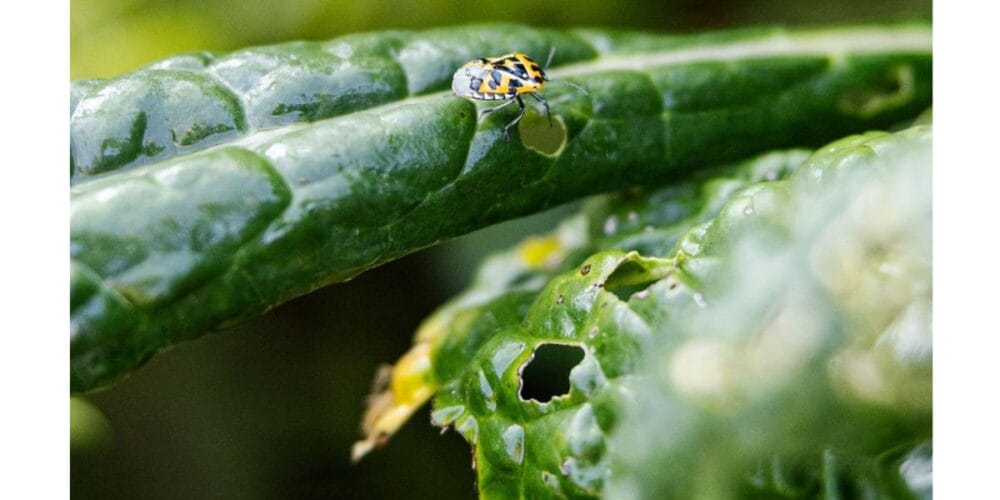
Harlequin bugs are among the most destructive pests for gardeners growing brassica crops. Their striking black, orange, and yellow shield-shaped bodies may look attractive, but these insects can quickly devastate cabbages, kale, broccoli, and other leafy vegetables. Understanding how to identify, treat, and prevent harlequin bugs is essential for maintaining a healthy, productive garden—especially if you prefer organic methods.
In this guide, we’ll explore effective ways to control harlequin bugs and prevent future infestations naturally.
Table of Contents
What Are Harlequin Bugs?
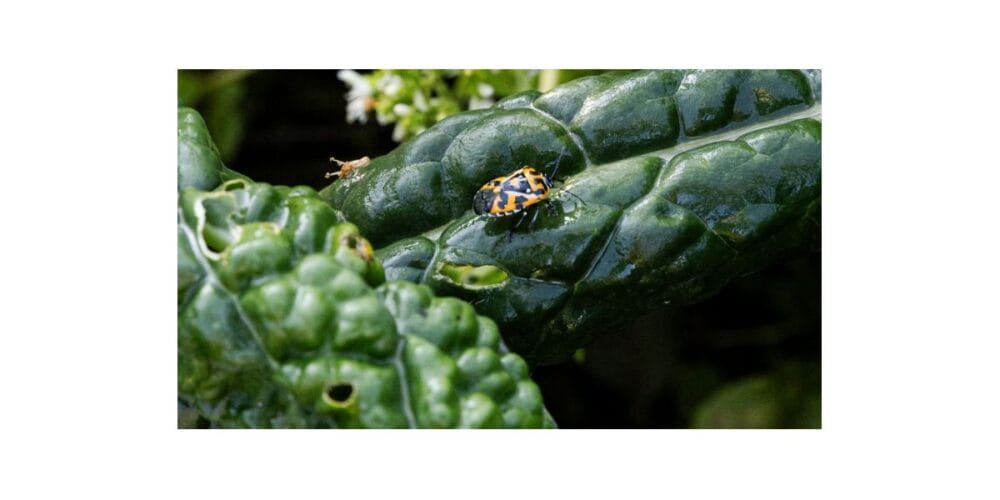
Harlequin bugs (Murgantia histrionica) are a type of stink bug commonly found in warm climates. Both adults and nymphs feed on plants by piercing the leaves and sucking out plant sap. This feeding behavior causes wilting, discoloration, and eventual plant death if left untreated.
Common Host Plants
Harlequin bugs primarily attack members of the Brassica family, including:
- Cabbage
- Cauliflower
- Broccoli
- Kale
- Mustard greens
- Radishes
- Turnips
How to Identify a Harlequin Bug Infestation
Early detection is key to effective control. Look for these signs:
- Black and orange shield-shaped bugs on leaf undersides
- Clusters of barrel-shaped eggs (white and black striped)
- Yellow or white blotches on leaves
- Wilting or stunted growth, especially in young plants
Nymphs appear rounder and brightly colored, often red or orange, and tend to gather in groups.
Also Read: The Best Companion Plants for Dill in an Organic Kitchen Garden
Damage Caused by Harlequin Bugs
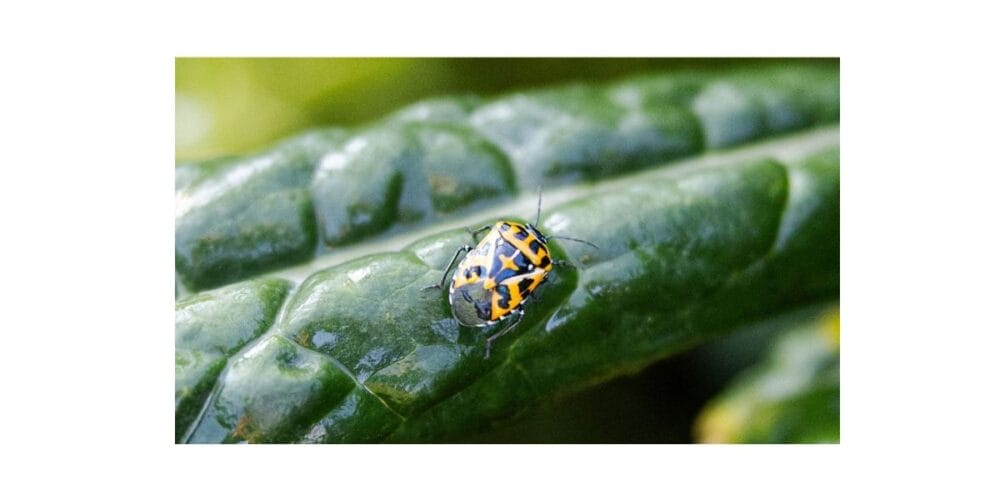
Harlequin bugs inject toxic saliva into plant tissues while feeding. This leads to:
- Leaf curling and distortion
- White or yellow stippling
- Reduced photosynthesis
- Plant death in severe infestations
Young seedlings are particularly vulnerable and can be destroyed within days.
How to Treat Harlequin Bugs in the Garden
1. Handpicking (Best for Small Gardens)
Manually removing bugs is one of the most effective organic methods.
- Check plants early in the morning when bugs are sluggish
- Drop adults, nymphs, and eggs into a bucket of soapy water
- Repeat every few days during peak season
2. Neem Oil Spray
Neem oil disrupts feeding and reproduction.
- Mix neem oil according to label directions
- Spray thoroughly on leaf undersides
- Apply every 7–10 days for best results
3. Insecticidal Soap
This works by breaking down the insect’s outer shell.
- Spray directly on bugs
- Works best on nymphs rather than adults
- Safe for beneficial insects when used properly
4. Diatomaceous Earth (Food Grade)
- Dust lightly around plant bases and leaves
- Effective when dry
- Avoid applying when plants are wet
5. Trap Cropping
Harlequin bugs prefer mustard greens.
- Plant mustard as a trap crop away from main vegetables
- Remove and destroy infested trap plants
Natural Predators That Help Control Harlequin Bugs
Encouraging beneficial insects creates long-term balance in your garden. Predators include:
- Lady beetles
- Lacewings
- Parasitic wasps
- Ground beetles
Plant nectar-rich flowers like dill, fennel, marigolds, and alyssum to attract these helpers.
Also Read: Papaya Tree Diseases: Identification, Causes, and Effective Management
How to Prevent Harlequin Bugs Naturally
1. Crop Rotation
Avoid planting brassicas in the same spot year after year to break pest life cycles.
2. Remove Garden Debris
Harlequin bugs overwinter in plant residue.
- Clear old crops at the end of the season
- Compost responsibly or dispose of infested material
3. Use Floating Row Covers
Row covers act as a physical barrier.
- Install immediately after planting
- Secure edges to prevent access
4. Companion Planting
Some plants help repel pests or confuse them:
- Garlic
- Onions
- Mint
- Nasturtiums
5. Healthy Soil Management
Strong plants resist pests better.
- Add compost regularly
- Avoid excessive nitrogen, which attracts sap-sucking insects
Frequently Asked Questions (FAQs)
Are harlequin bugs harmful to humans?
No, they do not bite or transmit diseases to humans, but they are destructive to plants.
Can harlequin bugs kill plants?
Yes, especially seedlings and young brassica plants if infestations are severe.
When are harlequin bugs most active?
They are most active in warm weather, typically from late spring through early fall.
Do chemical pesticides work?
While chemicals may kill harlequin bugs, they also harm beneficial insects and are not recommended for organic gardens.
Also Read: Bitter Gourd Diseases: Identification, Symptoms, and Effective Management
Final Thoughts
Harlequin bugs may be stubborn, but with consistent monitoring and organic control methods, they can be effectively managed. Early identification, hand removal, natural sprays, and preventive practices like crop rotation and row covers are the keys to success. By maintaining a healthy garden ecosystem, you not only reduce harlequin bug infestations but also promote long-term soil and plant health.
With patience and persistence, your garden can thrive—free from the damage caused by harlequin bugs.
Also Read: About How to Treat and Prevent Harlequin Bugs in Your Garden on gardenary.com Site