Diseases of Rice
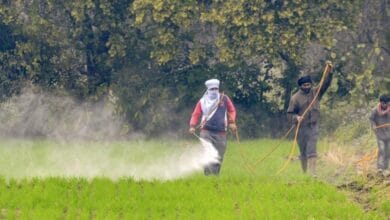
Rice is one of the most important staple crops in the world and a primary food source for millions of people, especially in Asia. However, rice cultivation is often affected by various diseases that can significantly reduce yield and grain quality.
These diseases are caused by fungi, bacteria, viruses, and nematodes. Understanding rice diseases, their symptoms, and effective management practices is essential for achieving healthy crops and higher productivity.
Table of Contents
1. Rice Blast Disease
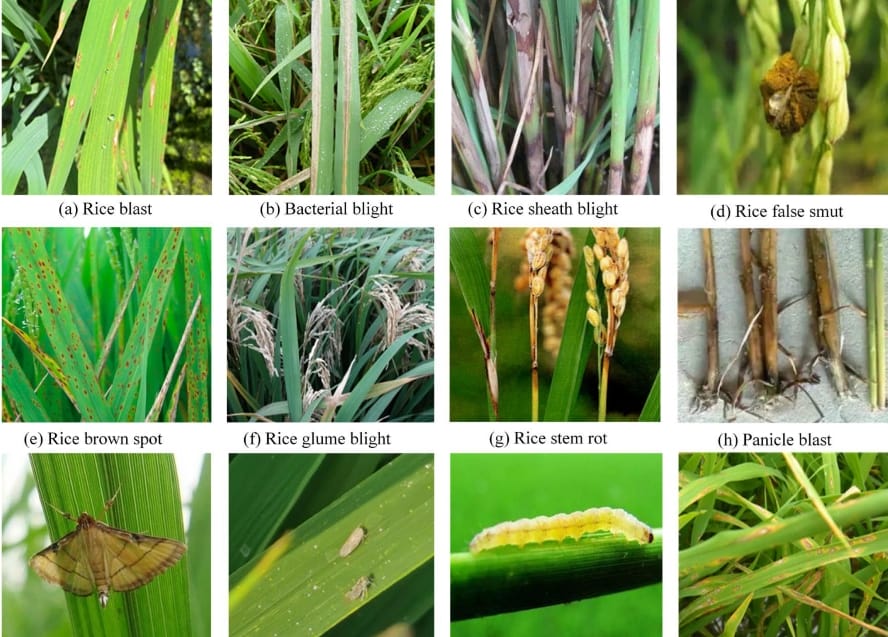
Rice blast is one of the most destructive fungal diseases of rice, caused by Magnaporthe oryzae. It can attack the crop at all growth stages.
Symptoms:
- Diamond-shaped or spindle-shaped lesions on leaves with gray centers
- In severe cases, neck blast occurs, causing panicles to break and grains to remain empty
Management:
- Use resistant rice varieties
- Avoid excessive nitrogen fertilizer
- Apply recommended fungicides like tricyclazole when symptoms appear
2. Bacterial Leaf Blight
This disease is caused by the bacterium Xanthomonas oryzae pv. oryzae and is common in areas with high rainfall and humidity.
Symptoms:
- Yellowing and drying of leaf tips and margins
- Milky bacterial ooze may appear when infected leaves are cut
Management:
- Grow disease-resistant varieties
- Avoid flooding and maintain proper field drainage
- Use balanced fertilization, especially potassium
3. Sheath Blight
Sheath blight is a fungal disease caused by Rhizoctonia solani. It spreads rapidly in dense crop canopies.
Symptoms:
- Oval or irregular greenish-gray lesions on leaf sheaths
- Lesions enlarge and spread to leaves, causing lodging
Management:
- Maintain proper plant spacing
- Avoid excessive nitrogen use
- Apply fungicides such as validamycin if disease is severe

Also Read: Top 7 Organic Fertilisers for Coconut Trees
4. Brown Spot Disease
Brown spot is caused by the fungus Bipolaris oryzae and is often associated with nutrient-deficient soils.
Symptoms:
- Small brown spots with yellow halos on leaves
- Reduced grain filling and poor grain quality
Management:
- Improve soil fertility with organic matter and micronutrients
- Use healthy seeds and seed treatment with fungicides
5. Rice Tungro Disease
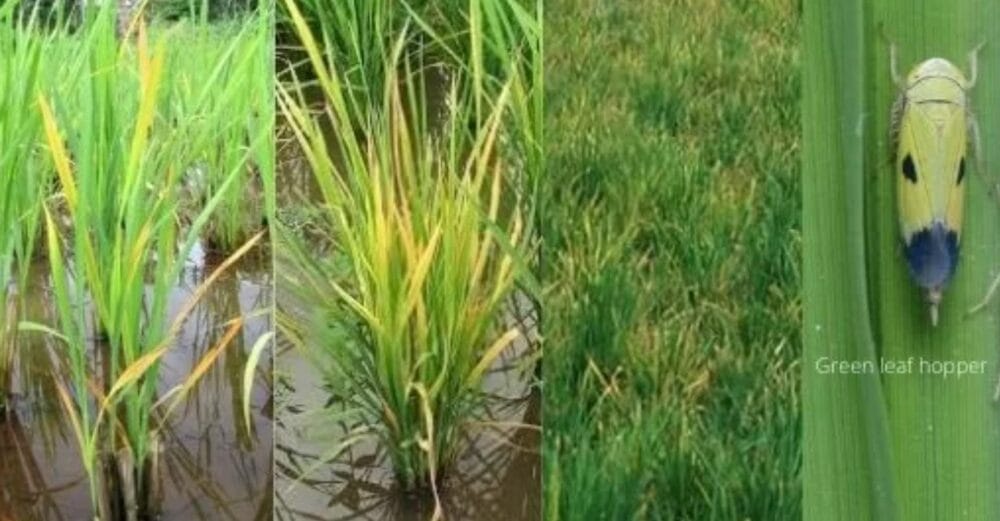
Rice tungro is a viral disease transmitted by green leafhoppers.
Symptoms:
- Yellow to orange discoloration of leaves
- Stunted plant growth and reduced tillering
Management:
- Control insect vectors using integrated pest management
- Remove and destroy infected plants
- Use tungro-resistant varieties
Also Read:Complete Guide to Protecting Plants from Frost
6. False Smut
False smut is a fungal disease caused by Ustilaginoidea virens and affects rice grains.
Symptoms:
- Greenish-yellow smut balls replacing grains
- Smut balls later turn black and powdery
Management:
- Use clean and certified seeds
- Avoid excessive nitrogen fertilizer
- Spray fungicides at flowering stage if needed
7. Bakanae Disease
Bakanae disease is caused by Fusarium species and is common in nursery and transplanted fields.
Symptoms:
- Abnormally tall and thin seedlings
- Yellowing and eventual death of plants
Management:
- Seed treatment with fungicides or hot water treatment
- Avoid using infected seedlings
Integrated Disease Management in Rice
Effective rice disease control relies on an integrated approach that includes:
- Selection of disease-resistant varieties
- Proper seed treatment and nursery management
- Balanced use of fertilizers
- Field sanitation and crop rotation
- Timely application of recommended fungicides and bio-control agents
By following these practices, farmers can significantly reduce disease incidence and improve rice yield and quality.
Frequently Asked Questions (FAQ)
Q1. What is the most common disease of rice?
Rice blast is considered the most common and damaging disease worldwide due to its rapid spread and severe yield loss.
Q2. How can rice diseases be prevented naturally?
Using resistant varieties, maintaining proper field hygiene, balanced fertilization, and good water management can help prevent many rice diseases naturally.
Q3. Are rice diseases more common in rainy seasons?
Yes, high humidity and continuous rainfall create favorable conditions for fungal and bacterial diseases in rice.
Q4. Can rice diseases reduce yield significantly?
Yes, severe infections can reduce rice yield by 20–50% or even more if not managed properly.
Q5. Is chemical control necessary for rice diseases?
Chemical control is useful when disease pressure is high, but it should be combined with cultural and biological practices for sustainable farming.
Q6. How does seed treatment help in disease control?
Seed treatment eliminates seed-borne pathogens and ensures healthy seedling growth.
Also Read: 11 Paddy Diseases: Understanding the Causes, Symptoms, and Treatment Options
-
-
-
-

-

-
-
-
-
-
-
-
-
-
-

-

-

-

-
-
-

-

-

-

-

-

-

-
-

-

-
-
-

-

-

-

-
-
-

-

-
-

-
-
-
-
-

-

-

-