Chocolate Plant
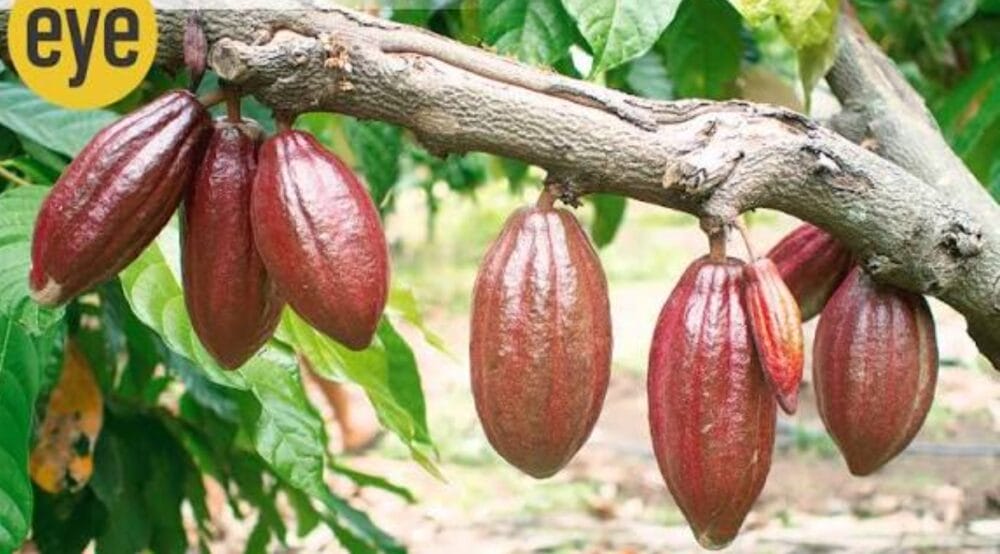
The chocolate plant, scientifically known as Theobroma cacao, is the tropical tree whose seeds give us cocoa and chocolate. Native to Central and South America, this evergreen plant can be grown successfully in warm, humid climates and even indoors with proper care.
While growing a chocolate plant requires patience, the reward of nurturing a tree that produces cocoa pods is truly special. This guide explains everything you need to know about growing a chocolate plant at home—from seed to harvest.
Understanding the Chocolate Plant
The chocolate plant is a small to medium-sized tree that thrives in tropical conditions. In its natural habitat, it grows under the shade of taller trees in rainforests. The tree produces small flowers directly on its trunk and branches, a phenomenon called cauliflory. These flowers eventually develop into large pods containing cocoa beans.
Chocolate plants usually start bearing fruit after 3–5 years, so growing one is a long-term commitment—but a very rewarding one.

Climate and Location Requirements
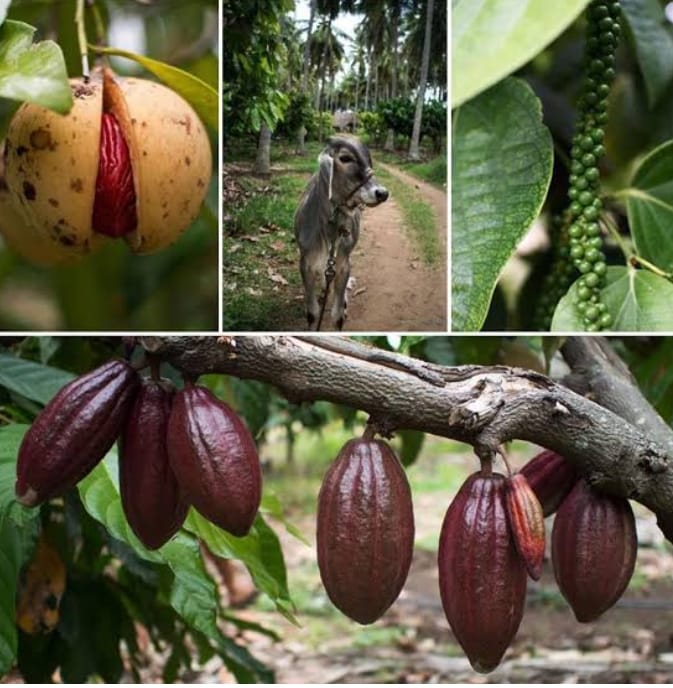
Chocolate plants grow best in warm, humid climates with temperatures between 20–32°C (68–90°F). Frost can damage or kill the plant, so it’s ideal for tropical and subtropical regions. In cooler areas, you can grow the plant indoors or in a greenhouse.
Choose a location that receives bright, indirect sunlight. Direct, harsh sunlight can scorch the leaves, especially when the plant is young. Partial shade or filtered light is ideal.
Also Read: Red Rose Farming: A Complete Guide for Beginners
Soil Preparation
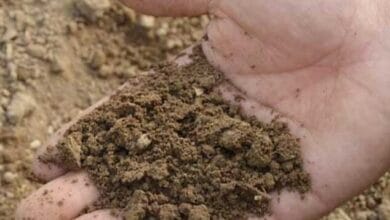
Well-draining, fertile soil is essential for healthy growth. The ideal soil should be:
- Rich in organic matter
- Slightly acidic to neutral (pH 6.0–7.0)
- Loose and well-aerated
You can prepare a good soil mix using garden soil, compost, and sand or coco peat. Adding well-rotted manure or vermicompost improves soil fertility and moisture retention.
Propagation: Growing from Seeds
Chocolate plants are commonly grown from fresh seeds.
Steps to grow from seeds:
- Use fresh cocoa seeds, as dried seeds lose viability quickly.
- Remove seeds from the pod and rinse gently.
- Sow seeds about 2–3 cm deep in moist soil.
- Keep the soil consistently moist but not waterlogged.
- Maintain warmth and humidity; seeds usually germinate within 1–2 weeks.
Once seedlings develop a few true leaves, they can be transplanted into larger pots or directly into the ground.
Watering Needs
Chocolate plants need regular and consistent watering. The soil should remain evenly moist at all times, especially during the growing season. However, avoid waterlogging, as this can cause root rot.
In dry climates or indoor conditions, misting the leaves helps maintain humidity, which is crucial for healthy growth.
Also Read: Litchi Cultivation: Complete Guide for Successful Farming
Fertilization
Feed your chocolate plant with organic fertilizers to support steady growth.
- Apply compost or well-rotted manure every 2–3 months
- Use a balanced fertilizer rich in nitrogen, phosphorus, and potassium
- During flowering and fruiting, potassium-rich fertilizers help improve pod development
Avoid over-fertilization, which can damage roots and reduce flowering.
Pruning and Maintenance
Pruning helps maintain plant shape and improves air circulation. Remove dead, weak, or overcrowded branches regularly. Light pruning also encourages better flowering and fruiting.
Mulching around the base of the plant helps conserve soil moisture, regulate temperature, and suppress weeds.
Flowering and Pollination
Chocolate plant flowers are small and delicate. In nature, they are pollinated by tiny insects. When growing indoors or in limited spaces, hand pollination may improve fruit set. Use a soft brush to gently transfer pollen between flowers.
Harvesting Cocoa Pods
Cocoa pods take about 5–6 months to mature after pollination. Ripe pods turn yellow, orange, or red depending on the variety. Harvest carefully using a sharp knife to avoid damaging the tree.
Inside each pod are cocoa beans surrounded by sweet pulp. These beans need fermentation and drying before they can be used for making chocolate.
Common Problems and Pests
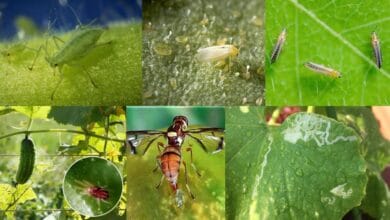
Chocolate plants may face issues like aphids, mealybugs, and fungal diseases. Regular inspection, good air circulation, and organic pest control methods like neem oil help keep plants healthy.
Frequently Asked Questions (FAQ)
Q1: Can I grow a chocolate plant indoors?
Yes, chocolate plants can be grown indoors in large pots if you provide warmth, humidity, and bright indirect light.
Q2: How long does a chocolate plant take to produce cocoa pods?
Usually 3–5 years, depending on growing conditions and care.
Q3: Does the chocolate plant need full sun?
No. It prefers partial shade or filtered sunlight, especially during early growth stages.
Q4: Can I grow a chocolate plant in a pot?
Yes. Use a deep, large container with good drainage and rich soil.
Q5: How often should I water the chocolate plant?
Water regularly to keep the soil moist, but avoid overwatering and waterlogging.
Q6: Is growing a chocolate plant difficult?
It requires patience and consistent care, but with the right conditions, it’s manageable even for home gardeners.
Also Read: Heavenly
-

-
-
-
-
-

-

-
-
-
-
-
-

-

-

-
-
-

-

-
-
-
-
-
-
-
-
-
-
-
-
-
-
-
-
-
-

-
-

-

-

-
-

-

-

-

-
-

-
-