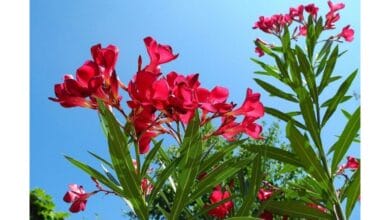
Honeysuckle Plant
Honeysuckle is a beautiful, fast-growing flowering plant best known for its sweet fragrance and nectar-rich blooms. With its twining vines and colorful flowers, honeysuckle is widely used to decorate fences, trellises, balconies, and garden walls.
Besides its ornamental value, honeysuckle also attracts bees, butterflies, and birds, making it an excellent choice for eco-friendly gardens.
Cultivating honeysuckle is easy if you provide the right growing conditions. This guide explains everything you need to know—from soil preparation to pruning—so you can enjoy healthy plants and abundant flowers.
Table of Contents
About the Honeysuckle Plant
Honeysuckle belongs to the Lonicera genus and is available in climbing, trailing, and shrub forms. Popular varieties include Japanese honeysuckle, trumpet honeysuckle, and coral honeysuckle. Most species bloom in spring and summer, while some continue flowering into early autumn.
Honeysuckle thrives in warm and temperate climates and adapts well to both garden beds and containers.
Climate and Sunlight Requirements
Honeysuckle grows best in mild to warm climates. It can tolerate light frost, but extreme cold may damage young plants.
- Requires full sun to partial shade
- At least 5–6 hours of sunlight daily encourages more flowers
- Roots prefer cool, shaded conditions while the vine enjoys sunlight
Planting honeysuckle near a wall or fence helps maintain ideal temperature balance.
Also Read: Jasmine Plant Cultivation: A Complete Guide to Growing Fragrant Jasmine at Home
Soil Preparation
Well-drained, fertile soil is essential for healthy honeysuckle growth.
- Soil should be loamy and rich in organic matter
- Ideal pH range: 6.0 to 7.5
- Avoid waterlogged or heavy clay soils
Before planting, mix compost or well-rotted manure into the soil to improve fertility and drainage.
Propagation Methods
Honeysuckle can be propagated using several methods:
1. Seed Propagation
Seeds are sown in spring, but this method is slow and less reliable. Germination may take several weeks.
2. Cuttings (Best Method)
- Take semi-hardwood cuttings during summer
- Plant in moist soil or a potting mix
- Roots develop within 3–4 weeks
3. Layering
A low branch is bent and buried in soil while still attached to the parent plant. Once roots develop, it can be separated and replanted.
Planting Method
- Dig a hole twice the size of the root ball
- Place the plant gently and fill with soil
- Firm the soil and water thoroughly
- Maintain spacing of 1–1.5 meters between plants
Provide a trellis, arch, or support immediately after planting to guide vine growth.
Watering Schedule
Honeysuckle requires regular watering, especially during the growing season.
- Water 2–3 times a week during summer
- Reduce watering during rainy or winter seasons
- Keep soil moist but not soggy
Mulching around the base helps retain moisture and keep roots cool.
Fertilization
Proper nutrition boosts flowering and vine strength.
- Apply balanced fertilizer (NPK 10-10-10) once a month
- Organic compost or vermicompost works well
- Avoid excessive nitrogen, which promotes leaves over flowers
Feeding during early spring and mid-summer gives the best results.
Pruning and Training
Pruning is essential for maintaining shape and encouraging blooms.
- Prune after the flowering season
- Remove dead, weak, or overcrowded branches
- Light pruning throughout the year keeps the plant tidy
Training vines along supports ensures better air circulation and flower display.
Pest and Disease Management
Honeysuckle is generally hardy but may face occasional problems.
Common pests:
- Aphids
- Spider mites
- Whiteflies
Control methods:
- Neem oil spray
- Mild soap solution
- Manual removal for small infestations
Diseases:
- Powdery mildew
- Leaf spots
Ensure good air circulation and avoid overhead watering to prevent diseases.
Benefits of Growing Honeysuckle
- Adds fragrance and beauty to gardens
- Attracts pollinators like bees and butterflies
- Acts as a natural screen or fence cover
- Low maintenance once established
Honeysuckle is perfect for gardeners who want quick results with minimal effort.
Frequently Asked Questions (FAQ)
Q1. How long does honeysuckle take to flower?
Honeysuckle usually starts flowering within 6–12 months after planting, depending on variety and care.
Q2. Can honeysuckle grow in pots?
Yes, honeysuckle grows well in large pots with proper drainage and regular pruning.
Q3. Does honeysuckle need full sun?
It grows best in full sun but can tolerate partial shade. More sunlight results in more flowers.
Q4. Is honeysuckle a fast-growing plant?
Yes, honeysuckle is a fast grower and can cover trellises or fences within one growing season.
Q5. How often should honeysuckle be pruned?
Light pruning can be done anytime, but major pruning should be done after flowering.
Q6. Is honeysuckle invasive?
Some varieties, like Japanese honeysuckle, can be invasive. Choose non-invasive species for controlled growth.
Q7. Can honeysuckle survive winter?
Most varieties tolerate mild winters. In colder regions, mulch the base for protection.
Also Read:Fragrant plants
-
-
-
-
-

-

-
-
-
-
-

-

-

-
-
-
-
-

-
-
-
-
-
-
-
-
-
-
-
-
-
-

-
-
-
-

-
-

-

-

-
-

-

-

-

-

-
-
-

-