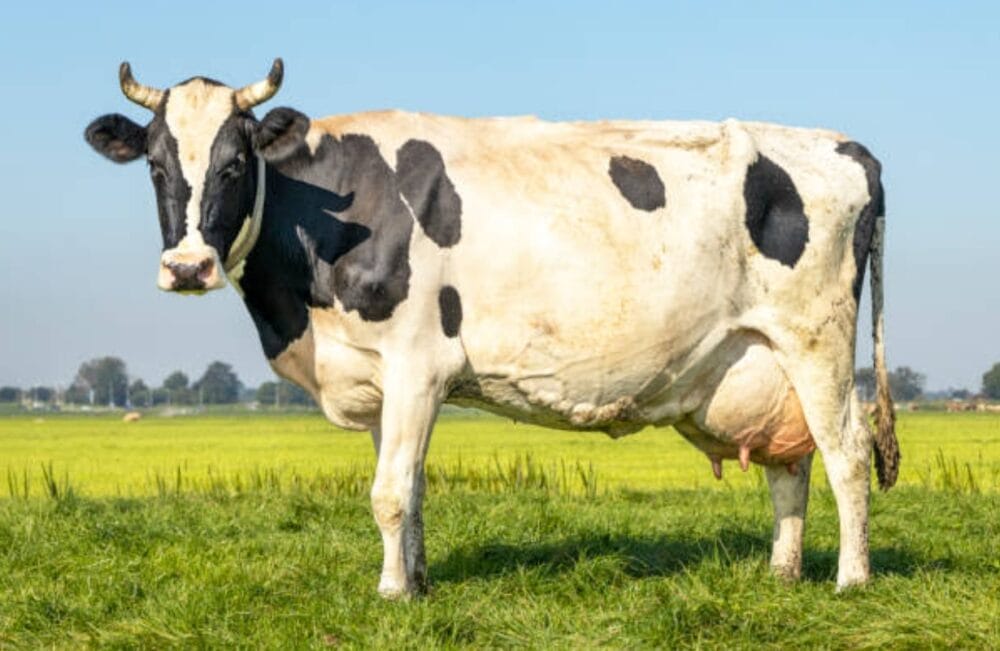
Cow Varieties in India
India is home to some of the world’s most remarkable indigenous cow breeds — animals that have been part of rural livelihoods, cultural traditions, and dairy economies for centuries. Each variety has unique strengths: some are highly prized for rich milk, others for draught work, and many for their adaptability to diverse climates across the Indian subcontinent.
In this blog, we explore the top 10 Indian cow varieties that have shaped India’s agricultural landscape.
Here is a short and clear table showing popular cow varieties in India and their average milk production:
| Cow Variety | Region | Average Milk Production (Liters/Day) |
|---|---|---|
| Gir | Gujarat | 10–15 |
| Sahiwal | Punjab, Haryana | 8–12 |
| Red Sindhi | Sindh (India & Pakistan) | 8–10 |
| Tharparkar | Rajasthan | 8–12 |
| Rathi | Rajasthan | 6–10 |
| Kankrej | Gujarat, Rajasthan | 6–8 |
| Ongole | Andhra Pradesh | 6–10 |
| Hariana | Haryana, Uttar Pradesh | 6–8 |
| Deoni | Maharashtra, Telangana | 5–8 |
| Kangayam | Tamil Nadu | 3–6 |
1. Gir — The Jewel of Gujarat
The Gir cow, indigenous to the Gir forests of Gujarat, stands as one of India’s most renowned dairy breeds. With a distinctive convex forehead and long, pendulous ears, this breed is as impressive in appearance as it is in performance.
Gir cows are known for their high milk production, often yielding between 2,000–3,500 liters per lactation, and are celebrated for producing A2 milk, which is traditionally considered easier to digest and more nutritious.
2. Sahiwal — The Dairy Champion
Originating from the Sahiwal region near the India-Pakistan border, the Sahiwal cow is widely recognised as one of India’s best dairy breeds. With reddish-brown coats and great heat tolerance, Sahiwal cows thrive in tropical climates and deliver high milk yields — typically around 2,500–3,000 liters per lactation.
They are also disease-resistant and have a calm, manageable temperament, making them popular among dairy farmers.
3. Red Sindhi — The Resilient Producer
Native to the Sindh region (now in Pakistan), the Red Sindhi breed is known for its hardiness, longevity, and consistent milk production. These cows adapt well to tropical conditions and are valued for producing milk rich in butterfat — ideal for ghee and dairy products.
Typical yields are in the range of 1,700–2,600 liters per lactation, positioning them as a reliable choice for sustainable dairy farming.

4. Tharparkar — The Desert Surviver
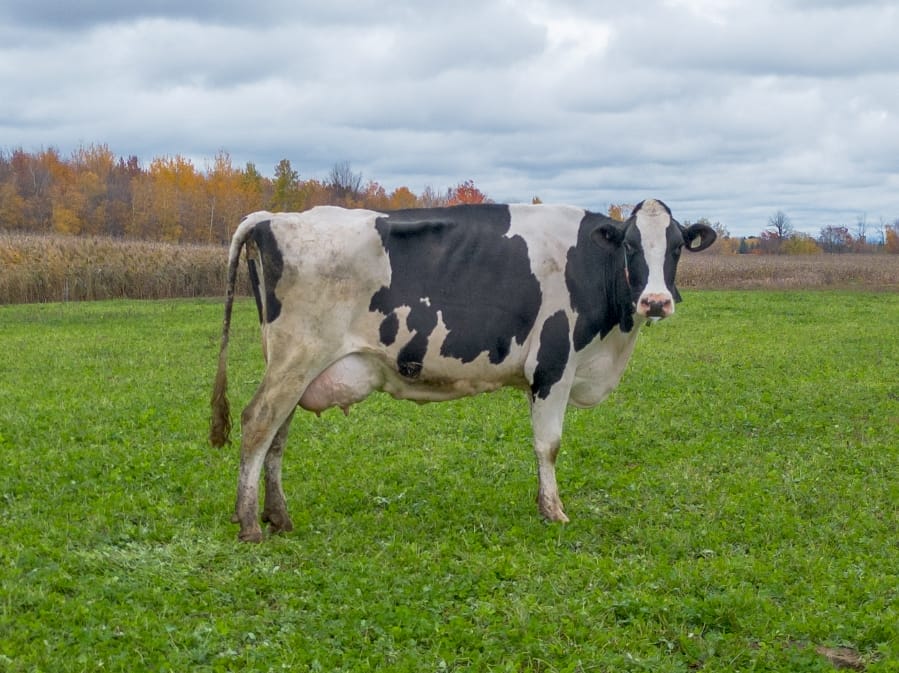
The Tharparkar cow hails from the arid landscapes of Rajasthan and is prized as a dual-purpose breed — good not only for milk (about 1,700–1,800 liters per lactation) but also for draught work. Their white to light grey coat helps reflect heat, enabling them to thrive in harsh desert climates where other breeds may struggle.
5. Kankrej — The Dual Champion
Found predominantly in parts of Gujarat and Rajasthan, the Kankrej breed is an all-round performer. Known for both moderate milk production and powerful draught capabilities, these cows are hardy, disease-resistant, and well adapted to local conditions. Kankrej cattle are a popular choice for farms that balance dairy production with agricultural work.
Also Read:Maharashtra’s First Smart Intelligent Village at Satnavari
6. Ongole — Strong and Stalwart
Originating from Andhra Pradesh’s Ongole region, the Ongole breed is robust and muscular, making it invaluable for both agriculture and dairy. While their milk yield (around 1,000–1,200 litres per lactation) may not rival specialised dairy breeds, their strength and endurance make them excellent for fieldwork. They are also known internationally for their contribution to beef-and-dairy dual-purpose crossbreeds.
7. Deoni — The Balanced Breed
TCowDeoni cow, native to parts of Maharashtra and Karnataka, is a versatile breed used for both milk and draught purposes. With a balanced build and steady performance, Deoni cows typically produce around 1,000–1,200 liters oflitresper lactation and are well adapted to semi-arid and dry climates.
8. Hariana — The Hardy Helper
As a dual-purpose breed from Haryana, the Hariana cow is known for its strength and adaptability. While its milk yield is moderate compared to specialised dairy breeds, Hariana cattle are prized for their resilience and usefulness in agricultural work, making them a valuable choice for mixed-farm operations.
Also Read:Top 10 Advantages of Biological Fertilizer
9. Kangayam — The Southern Draught Star
The Kangayam breed from Tamil Nadu is a compact, muscular variety primarily used for heavy draught work. While milk production is on the lower side, their stamina and strength make them excellent for ploughing and other field tasks. This breed is especially popular in South Indian farming communities due to its dependable performance.
10. Vechur — The Small Wonder
Originating from Kerala, the Vechur cow may be one of the smallest breeds in the world, but it punches above its weight in terms of resilience and survivability. While milk yield is modest, the Vechur’s disease resistance and low maintenance needs make it ideal for small, low-input farming systems.
Why Indian Cow Breeds Matter
These indigenous breeds are more than just livestock — they are genetic treasures adapted over centuries to India’s regional climates and farming systems. Many produce A2 milk, traditionally associated with better digestibility and higher nutritional value, while others contribute significantly to agricultural operations as draught animals. With conservation efforts ongoing to protect these native breeds, their future remains bright in sustainable agriculture.
Frequently Asked Questions (FAQs)
1. What makes Indian cow breeds different from exotic breeds?
Indian breeds are generally more heat-tolerant, disease-resistant, and sustainable in local climates. They often produce A2 milk, believed to be easier to digest compared to the A1/A2 mix of many exotic breeds.
2. Which Indian cow gives the most milk? Breeds like Sahiwal and Gir are among the highest milk producers within indigenous varieties, often yielding thousands of litres per lactation.
3. Are these cows good for cross-breeding?
Yes! Many Indian breeds, especially Gir, Sahiwal, and Kankrej, are used in cross-breeding programs worldwide to improve hardiness and milk productivity.
4. Can these breeds be raised in small backyard setups?
Smaller or low-input breeds like Vechur are excellent for backyard farms, while larger breeds may require more space and resources.
5. Why is conserving indigenous cows important?
These breeds hold genetic traits vital for climate resilience, low-input farming, and traditional dairy products. Conservation helps maintain biodiversity and support sustainable agriculture.
Also Read: Top 3 benefits of standing yoga poses
-

-

-
-

-
-

-

-

-
-
-
-

-
-

-
-
-

-
-

-

-

-

-

-
-
-

-
-

-

-

-

-

-
-

-

-

-

-

-
-
-

-

-
-

-
-

-

-

-

-