Indoor Plants vs Outdoor Plants
Plants play a vital role in improving our environment, health, and overall well-being. Whether placed inside a home or grown outdoors in a garden, plants add beauty, freshness, and life to any space.
However, indoor plants and outdoor plants differ greatly in terms of care, growth conditions, benefits, and challenges. Understanding these differences can help you choose the right plants for your lifestyle, climate, and space.
This blog explores the key differences between indoor and outdoor plants, their advantages, limitations, and how to decide which is best for you.
Table of Contents
What Are Indoor Plants?
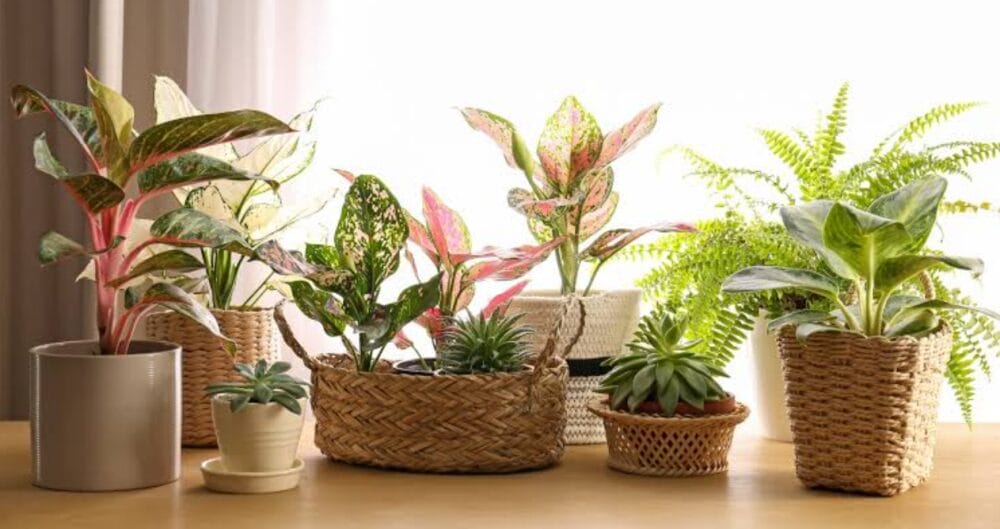
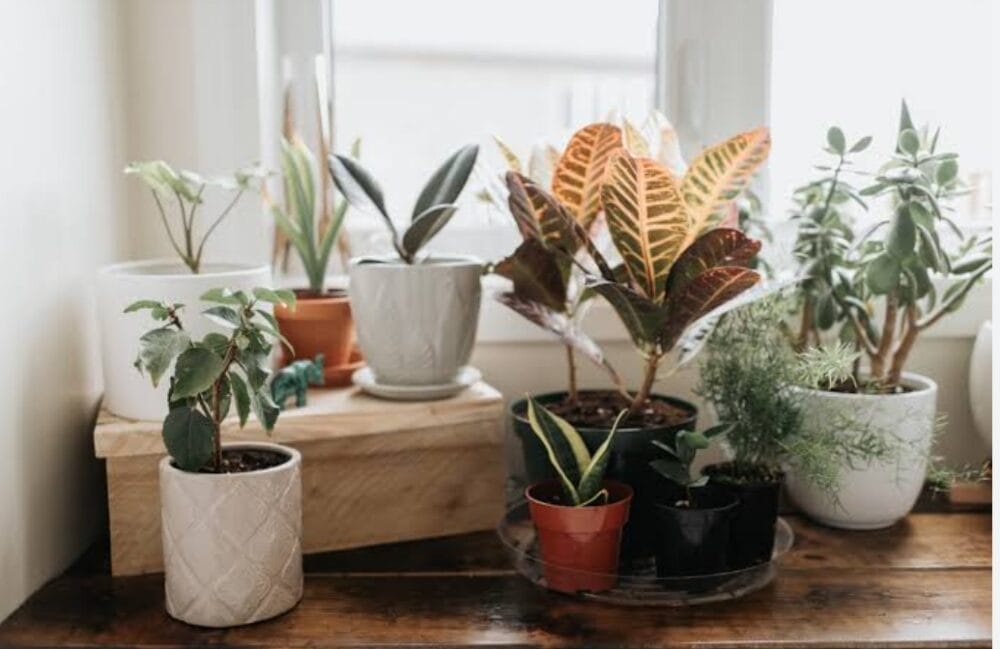
Indoor plants are grown inside homes, offices, or enclosed spaces where environmental conditions are controlled. These plants are usually selected for their ability to survive in low light, stable temperatures, and limited space.
Common indoor plants include snake plant, pothos, peace lily, spider plant, and rubber plant.

Benefits of Indoor Plants
- Improved air quality: Many indoor plants help remove toxins and increase oxygen levels.
- Stress reduction: Greenery indoors creates a calming and relaxing atmosphere.
- Low space requirement: Ideal for apartments and small homes.
- Year-round beauty: Indoor plants are not affected by seasonal changes.
- Easy maintenance: Most indoor plants need minimal watering and care.
Limitations of Indoor Plants
- Limited sunlight can slow growth.
- Higher risk of root rot if overwatered.
- Slower flowering and fruiting compared to outdoor plants.
Also Read: Rhubarb Vegetable Cultivation: A Complete Growing Guide for Beginners
What Are Outdoor Plants?
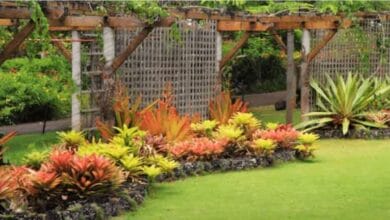
Outdoor plants are grown in gardens, farms, balconies, terraces, or open spaces where they are exposed to natural sunlight, rainfall, wind, and seasonal changes. These include flowering plants, trees, shrubs, vegetables, and fruit plants.
Common outdoor plants include rose, hibiscus, mango tree, tomato plant, sunflower, and bougainvillea.
Benefits of Outdoor Plants
- Faster and healthier growth due to natural sunlight.
- Better flowering and fruiting potential.
- Improves the ecosystem by supporting birds, bees, and insects.
- Large variety of plants to choose from.
- Higher oxygen production and carbon dioxide absorption.
Limitations of Outdoor Plants
- Depend heavily on weather and climate.
- Require more space and regular maintenance.
- Vulnerable to pests, diseases, and harsh weather.
Key Differences Between Indoor and Outdoor Plants
1. Light Requirement
Indoor plants usually survive in indirect or low light, while outdoor plants need direct sunlight for several hours a day.
2. Space and Growth
Indoor plants are generally smaller and slow-growing. Outdoor plants have more space to grow and can reach their full size.
3. Watering Needs
Indoor plants require controlled watering to avoid root rot. Outdoor plants may need frequent watering depending on weather and soil type.
4. Maintenance
Indoor plants are easier to maintain and need less pruning. Outdoor plants require regular care such as weeding, fertilizing, and pest control.
5. Environmental Impact
Outdoor plants contribute more to biodiversity and climate balance, while indoor plants mainly enhance indoor air quality and aesthetics.
Which Is Better: Indoor or Outdoor Plants?
There is no single “better” option—it depends on your needs and environment.
- Choose indoor plants if you live in an apartment, have limited space, or want low-maintenance greenery.
- Choose outdoor plants if you have a garden, terrace, or balcony and enjoy active gardening.
- Many people prefer a combination of both to enjoy the benefits of plants indoors and outdoors.
Also Read: Top 10 Rainy Season Fruits You Should Eat for Better Health
Tips for Choosing the Right Plants
- Assess available sunlight and space.
- Consider your time and ability to care for plants.
- Match plants to your local climate.
- Start with easy-to-grow varieties if you are a beginner.
- Use proper soil, pots, and drainage for best results.
Conclusion
Both indoor and outdoor plants have unique advantages and challenges. Indoor plants are perfect for enhancing interior spaces and improving air quality, while outdoor plants support biodiversity and offer vibrant growth, flowers, and fruits.
By understanding the differences, you can make informed choices and enjoy a greener, healthier lifestyle—inside and outside your home.
Frequently Asked Questions (FAQ)
Q1. Can outdoor plants be grown indoors?
Some outdoor plants can be grown indoors if they receive enough sunlight and proper care, but not all adapt well.
Q2. Are indoor plants good for air purification?
Yes, many indoor plants help improve air quality by absorbing toxins and releasing oxygen.
Q3. Do indoor plants need sunlight?
Yes, but most prefer indirect or filtered sunlight rather than direct sun.
Q4. Which is easier to maintain: indoor or outdoor plants?
Indoor plants are generally easier to maintain due to controlled conditions.
Q5. Can I grow vegetables indoors?
Yes, leafy greens, herbs, and microgreens can be grown indoors with sufficient light.
Q6. How often should outdoor plants be watered?
Watering depends on climate, season, and plant type. Hot weather requires more frequent watering.
Q7. Is it good to have both indoor and outdoor plants?
Absolutely. Having both provides balanced environmental, health, and aesthetic benefits.
Also Read: Indoor Plants vs Outdoor Plants
-

-
-
-
-
-

-

-
-
-
-
-

-

-

-

-
-
-

-

-
-
-
-
-
-
-
-
-
-
-
-
-
-

-
-
-
-

-
-

-

-

-
-

-

-

-

-

-

-
-