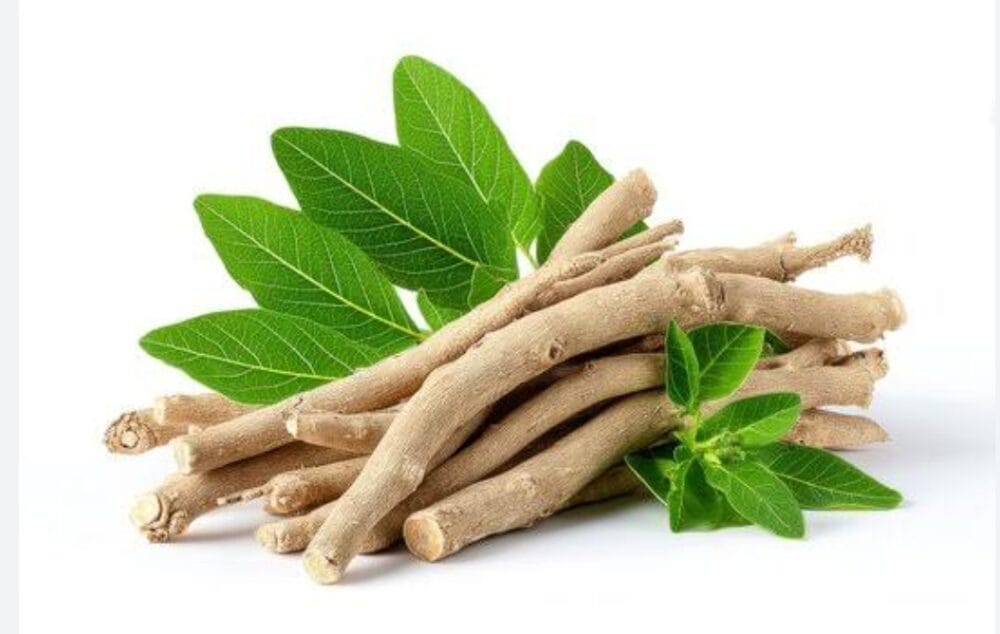
Ashwagandha Growing Guide
Ashwagandha (Withania somnifera), also known as Indian ginseng or winter cherry, is one of the most valuable medicinal herbs used in Ayurveda. It is famous for reducing stress, boosting immunity, improving strength, and supporting overall wellness.
Due to its high demand in herbal medicine, cosmetics, and supplements, ashwagandha cultivation has become a profitable option for home gardeners and commercial farmers alike.
In this blog, you’ll learn everything about how to grow ashwagandha successfully, from climate and soil requirements to harvesting and storage.
Table of Contents
What Is Ashwagandha?
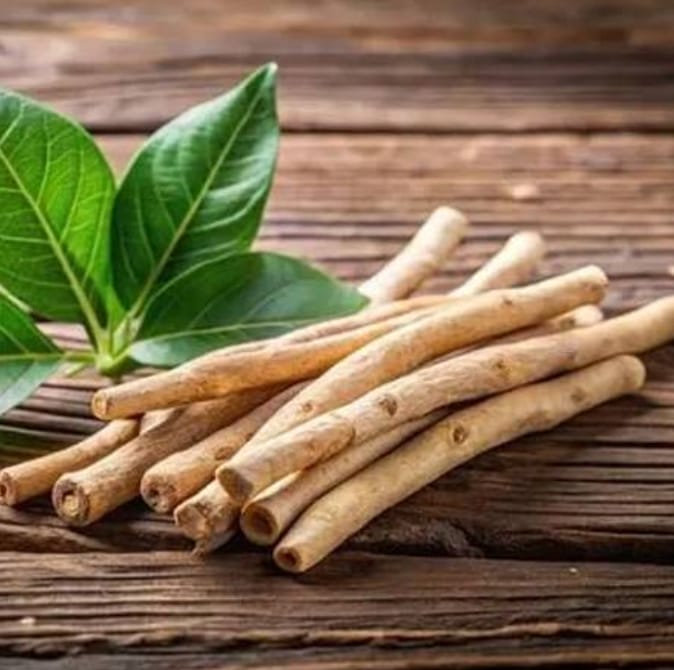
Ashwagandha is a hardy perennial shrub belonging to the Solanaceae family. The roots are the most valuable part of the plant and are widely used in powders, capsules, and herbal formulations. The plant also produces small greenish-yellow flowers and red berries.
Climate Requirements for Ashwagandha Growing
Ashwagandha thrives best in dry subtropical climates.
- Ideal temperature: 20°C to 35°C
- It prefers low to moderate rainfall
- Excess humidity and waterlogging are harmful
- Full sunlight is essential for healthy root development
In India, ashwagandha grows well in states like Madhya Pradesh, Rajasthan, Maharashtra, Uttar Pradesh, and parts of South India.

Also Read: 10 Best Indoor Fragrant Plants to Keep Your Home Fresh and Relaxing
Soil Preparation for Ashwagandha Cultivation
Well-drained soil is crucial for successful ashwagandha growing.
- Best soil type: Sandy loam or light red soil
- Soil pH: 7.0 to 8.0
- Avoid clayey or waterlogged soil
- Add well-rotted farmyard manure or compost before planting
Plough the field 2–3 times to make the soil loose and free from weeds. Raised beds are recommended for better drainage.
How to Grow Ashwagandha from Seeds
Ashwagandha is usually grown from seeds.
Seed Selection
- Use healthy, disease-free seeds
- Seeds should be fresh for better germination
Sowing Time
- Best sowing season: June to July (Kharif season)
- In irrigated conditions, it can also be sown in October
Sowing Method
- Sow seeds directly in the field or nursery
- Seed depth: 1–2 cm
- Spacing: 30 cm × 30 cm
- Germination occurs within 7–12 days
Thin out seedlings after 15–20 days to maintain proper spacing.
Also Read: Indoor Plants vs Outdoor Plants: Key Differences,5 Benefits, and How to Choose the Right One
Watering Requirements
Ashwagandha is a drought-tolerant plant.
- Light irrigation after sowing
- After establishment, irrigation is needed only during long dry spells
- Avoid overwatering, especially during root development
- Excess moisture reduces root quality
Rainfed cultivation is ideal for this crop.
Fertilizer and Manure Management
Ashwagandha does not require heavy fertilization.
- Apply 10–15 tons of farmyard manure per hectare
- Avoid chemical fertilizers as they may reduce medicinal quality
- Vermicompost can be added for better root growth
Organic farming is highly recommended for ashwagandha cultivation.
Weed Control and Plant Care
Weeds compete with young ashwagandha plants, especially during early growth.
- Manual weeding after 20–25 days
- Second weeding after 40–45 days
- Mulching helps control weeds and retain moisture
The plant requires minimal care once established.
Pests and Diseases in Ashwagandha Plant
Ashwagandha is relatively pest-resistant, but some problems may occur.
Common Pests
- Aphids
- Leaf-eating caterpillars
Diseases
- Leaf spot
- Root rot (due to excess moisture)
Control Measures
- Use neem oil spray
- Maintain proper drainage
- Remove infected plants immediately
Harvesting Ashwagandha
Ashwagandha is ready for harvest 150–180 days after sowing.
Signs of Maturity
- Leaves turn yellow and dry
- Berries turn red
- Roots become thick and firm
Uproot the entire plant carefully and separate the roots. Wash roots thoroughly to remove soil.
Drying and Storage
- Cut roots into small pieces
- Dry them in shade for 5–7 days
- Ensure moisture content is completely removed
- Store dried roots in airtight containers or jute bags
Proper drying ensures longer shelf life and better market value.
Benefits of Growing Ashwagandha
- High market demand
- Low cultivation cost
- Suitable for dry and marginal lands
- Ideal for organic farming
- Medicinal and economic value
Frequently Asked Questions (FAQ)
1. Can ashwagandha be grown at home?
Yes, ashwagandha can be grown easily in pots or home gardens using well-drained soil and full sunlight.
2. How long does ashwagandha take to grow?
Ashwagandha takes about 5 to 6 months from sowing to harvest.
3. Does ashwagandha need daily watering?
No, it requires minimal watering. Overwatering can damage the roots.
4. Which part of the ashwagandha plant is used medicinally?
The roots are the most commonly used part, though leaves also have medicinal properties.
5. Is ashwagandha a perennial plant?
It is generally grown as a seasonal crop, though it is botanically a perennial shrub.
6. Can ashwagandha grow in pots?
Yes, choose a deep pot with good drainage to allow proper root growth.
Also Read: 10 of the best fragrant flowers
-

-

-

-

-

-

-

-
-
-
-

-

-

-

-

-

-
-

-

-
-
-

-
-
-
-
-
-

-
-

-
-
-

-
-
-

-

-
-

-

-

-
-

-

-

-

-
-
-
-