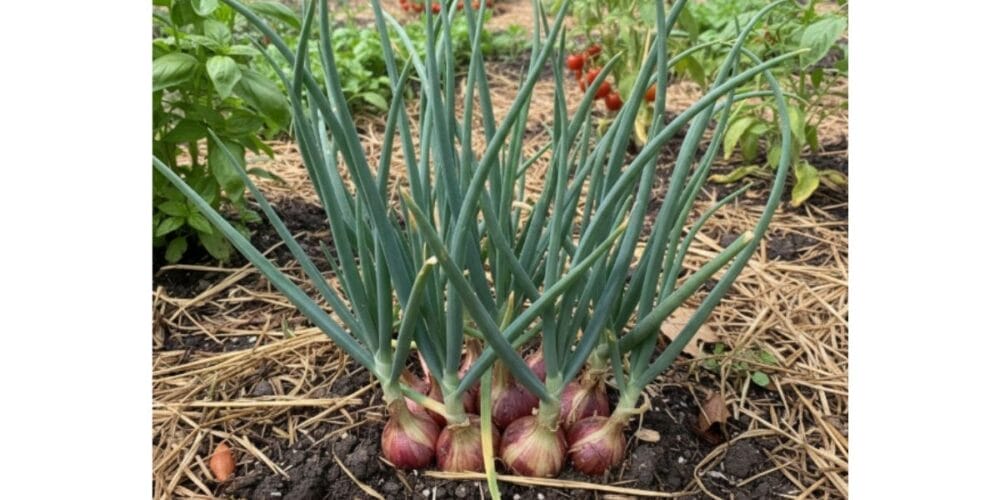
How to Grow Shallot
Shallots are a highly valued culinary crop known for their mild onion-like flavor and excellent storage life. For growers in regions like Odisha, where winter conditions are favorable for bulb crops, shallots can be a profitable addition to kitchen gardens as well as commercial farms.
As you’re already creating educational, SEO-focused agriculture content around crop nutrition and cultivation, this guide will help your readers understand not just how to grow shallots—but how to grow them successfully with proper nutrient management.
Table of Contents
Introduction to Shallot Cultivation
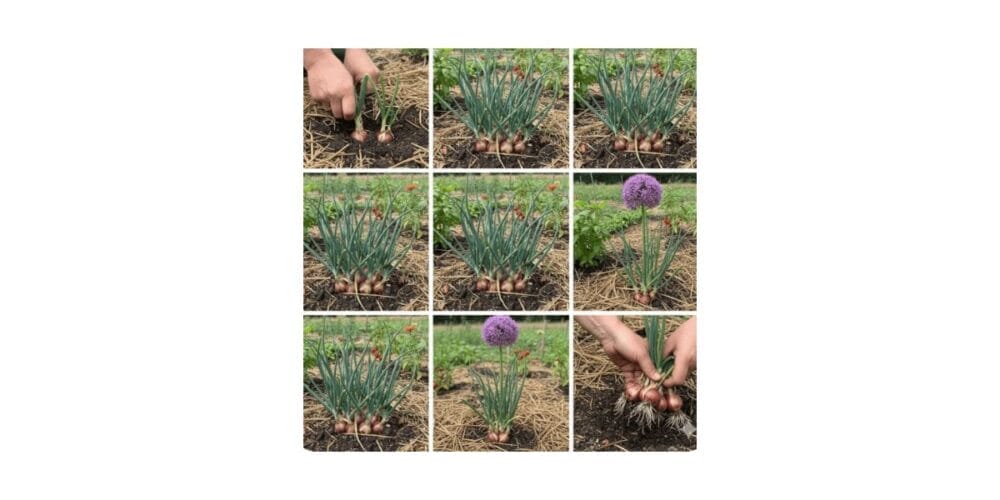
Shallot (Allium cepa var. aggregatum) belongs to the onion family and is mainly grown for its clusters of small, elongated bulbs. Compared to onions, shallots have a finer taste and are widely used in Indian cooking, pickles, and seasoning blends.
They are easy to grow, require minimal space, and offer a relatively short growing cycle—making them ideal for both small-scale farmers and home gardeners.
Ideal Climate and Soil Requirements
Shallots prefer cool and dry weather conditions during their growing phase. In eastern Indian states like Odisha, the best time to plant shallots is between October and December, allowing the bulbs to mature before the onset of summer heat.
Climate:
- Optimal temperature: 13°C to 24°C
- Requires full sunlight for healthy bulb development
- Avoid high humidity zones during bulb formation
Soil:
- Well-drained sandy loam or loamy soil is ideal
- Soil pH between 6.0 and 7.5
- Avoid waterlogged conditions, as it may cause bulb rot
Before planting, enrich the soil with well-decomposed FYM or compost to improve organic matter content and soil structure.
Also Read: How to Grow Ajwain (Carom Seeds): A Complete Cultivation Guide for Beginners
Planting Shallot Bulbs
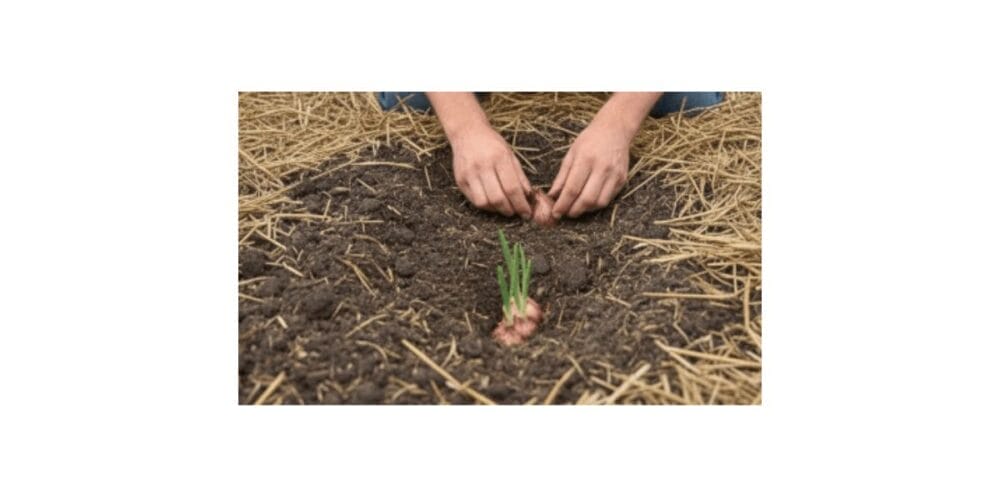
Shallots are generally propagated through bulbs rather than seeds.
Planting Method:
- Choose healthy, disease-free bulbs
- Plant bulbs 2–3 cm deep with pointed ends facing up
- Maintain spacing of 10–15 cm between bulbs and 20–25 cm between rows
Seed Rate:
- Approximately 800–1000 kg of bulbs per hectare
For improved root development and disease resistance, treat bulbs with biofungicides like Trichoderma before sowing.
Irrigation Management
Proper irrigation is essential for uniform bulb development.
- Provide light irrigation immediately after planting
- Continue watering every 7–10 days depending on soil moisture
- Reduce watering once bulbs begin to mature
Avoid overwatering during the final stage of growth, as excess moisture can affect storage quality and lead to fungal infections.
Nutrient Management for Higher Yield
Since your blog audience focuses on plant nutrition, this section is key for maximizing productivity.
Basal Application:
- Apply 15–20 tons of FYM per hectare before planting
- NPK dose: 60:40:40 kg/ha
Top Dressing:
- Apply Nitrogen in two split doses:
- First at 20–25 days after planting
- Second at 40–45 days after planting
Micronutrients:
Shallots respond well to foliar sprays of:
- Zinc (Zn) for improved leaf growth
- Boron (B) for better bulb formation
- Sulphur (S) to enhance pungency and yield
Apply chelated micronutrient mixtures during vegetative growth for best results.
Also Read: How to Grow Green Cardamom (Elaichi) – A Complete Cultivation Guide for Farmers
Weed and Pest Control
Weeds can compete with shallots during early growth stages. Perform 2–3 manual weedings or apply organic mulch to suppress weed emergence.
Common Pests:
- Onion Thrips
- Leaf Miners
Use neem oil sprays or recommended insecticides in case of severe infestation.
Diseases:
- Purple Blotch
- Downy Mildew
Preventive sprays of biofungicides and ensuring proper plant spacing can help reduce disease occurrence.
Harvesting Shallots
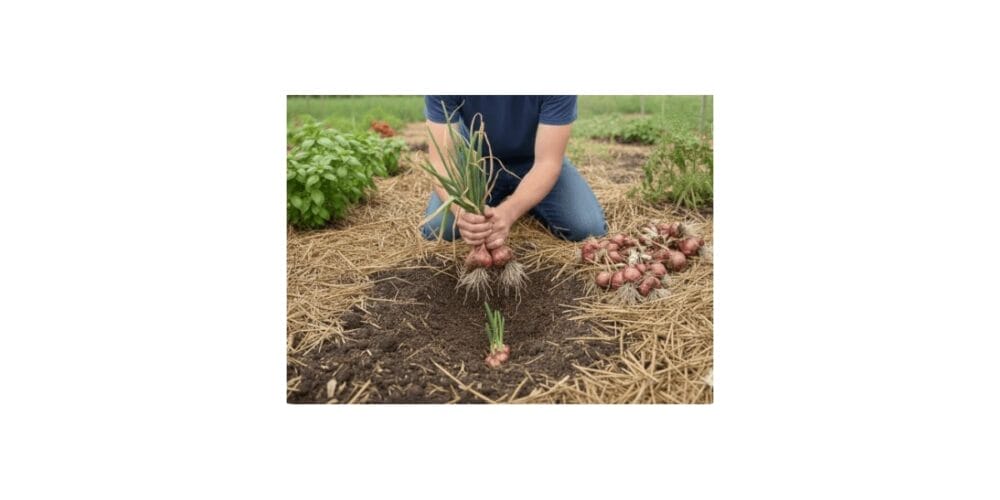
Shallots are usually ready for harvest 90 to 120 days after planting.
Harvesting Indicators:
- Leaves turn yellow and begin to fall over
- Bulbs attain full size and outer skin becomes papery
Carefully uproot the plants and allow them to cure in shade for 7–10 days. This helps in improving storage life and reducing post-harvest losses.
Storage Tips
After curing:
- Trim the tops and roots
- Store in a well-ventilated, dry place
- Use mesh bags or bamboo baskets for air circulation
Under proper conditions, shallots can be stored for up to 5–6 months without significant loss in quality.
Recommended Crops for Intercropping
Shallots can be intercropped with:
- Carrots
- Lettuce
- Beetroot
Avoid planting with legumes, as they may affect bulb formation due to nitrogen competition.
Alternate Crops
If shallots are not feasible in your region or soil type, consider growing:
- Garlic
- Spring Onions
- Leeks
These crops offer similar market demand and nutritional benefits.
Also Read: How to Grow Charoli (Chironji) Tree: Complete Cultivation Guide from Seed to Harvest
FAQs
Q1. Can shallots be grown in containers?
Yes, ensure the container has proper drainage and enough depth for bulb expansion.
Q2. How long do shallots take to grow?
Typically 3 to 4 months from planting to harvest.
Q3. Can I use kitchen shallots for planting?
Yes, provided they are healthy and disease-free.
Final Thoughts
Shallot cultivation is a low-risk, high-reward crop option for farmers and home gardeners alike. With proper soil preparation, balanced fertilization, and efficient irrigation practices, growers can achieve high-quality bulb production even on small landholdings. Integrating micronutrient management—something your readers already care about—can further boost yield and market value.
-

-

-

-

-

-

-

-

-

-

-

-

-

-

-

-

-

-

-

-

-

-

-

-
-

-

-

-

-

-

-

-

-
-

-

-

-

-

-

-

-

-

-

-

-

-

-

-

-

-