How to Grow Asafoetida (Hing)
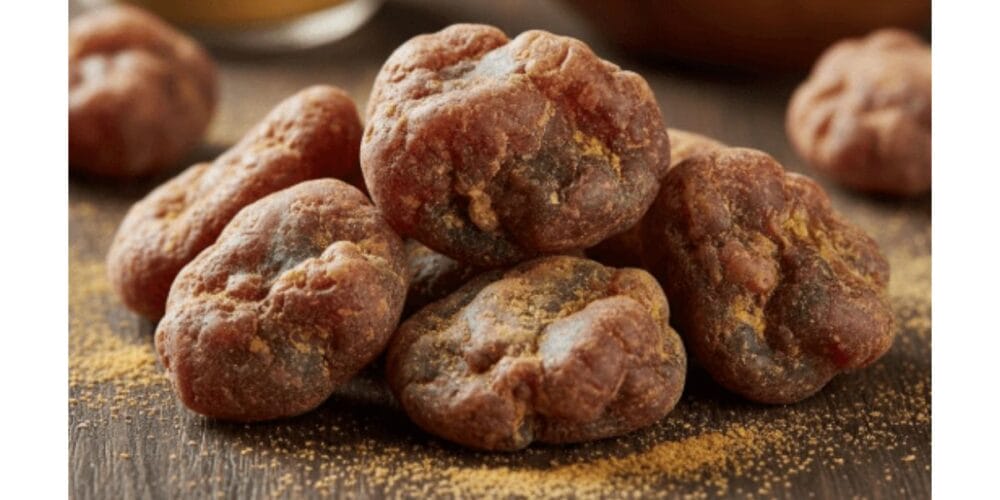
Asafoetida, commonly known as Hing, is an important spice and medicinal plant widely used in Indian kitchens and traditional medicine. It is obtained from the resin of a perennial herb belonging to the Ferula genus. Growing asafoetida is slightly challenging because it requires specific climatic conditions and patience, but once established, it becomes a valuable high-income spice crop.
In this complete guide, you will learn how to grow asafoetida, soil and climate requirements, planting methods, nutrient management, harvesting, and yield tips.
Table of Contents
Introduction to Asafoetida Cultivation
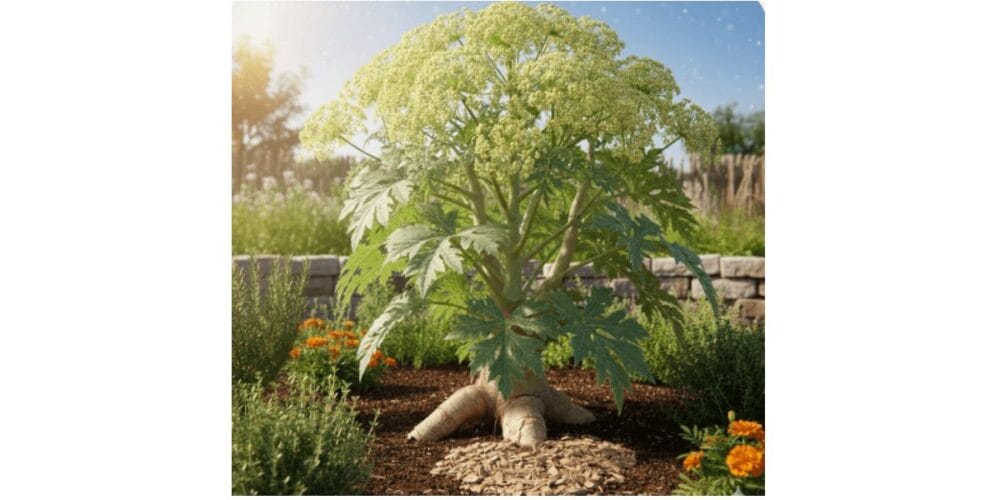
Asafoetida is native to Iran and Afghanistan regions and grows best in dry, cold desert climates. The plant produces a strong-smelling resin extracted from its roots and rhizomes. Due to high demand and heavy imports, asafoetida cultivation is gaining interest among Indian farmers, especially in dry and semi-arid regions.
The crop usually takes 4–5 years to mature, but it offers good long-term profitability.
Climate Requirement for Growing Asafoetida
Climate plays a major role in successful asafoetida farming.
Ideal Climate Conditions:
- Cool and dry climate
- Temperature: 10°C to 25°C
- Low humidity preferred
- Requires winter chilling for dormancy
Heavy rainfall and high humidity can damage plant growth and reduce resin quality.
Soil Requirement for Asafoetida Farming
Asafoetida grows best in well-drained sandy or loamy soils.
Ideal Soil Properties:
- Sandy loam soil
- pH range: 6.5 to 8.0
- Good drainage is essential
- Avoid waterlogged soils
Before planting, deep ploughing and removal of stones help root development.
Also Read: How to Grow Curry Leaf (Complete Growing Guide)
Propagation and Planting Method
Asafoetida is mainly grown from seeds.
Seed Preparation
- Use fresh and viable seeds
- Soak seeds in water for 24 hours before sowing to improve germination
Sowing Time
- October to November is ideal in most Indian regions
Spacing
- Row spacing: 60–75 cm
- Plant spacing: 45–60 cm
Seeds are usually sown in nursery beds and later transplanted to the main field after seedling establishment.
Nutrient Management and Fertilizer Application
Since you often write about plant nutrition, proper nutrient management is important for asafoetida.
Organic Fertilizer:
- Farmyard manure: 10–15 tons per acre before planting
Chemical Fertilizer (General Recommendation):
- Nitrogen: 40–50 kg/acre
- Phosphorus: 20–25 kg/acre
- Potassium: 20 kg/acre
Micronutrients like zinc and boron can improve root development and resin formation.
Irrigation Management
Asafoetida is drought-tolerant but needs controlled irrigation.
Irrigation Tips:
- Light irrigation after sowing
- Irrigate only when soil becomes dry
- Avoid overwatering
Excess moisture can cause root rot and fungal diseases.
Also Read: Diseases of Spinach: Identification, Prevention, and Management
Weed and Pest Management
Weed Control
- Manual weeding during early growth stage
- Mulching helps reduce weed growth
Pest and Disease Management
Asafoetida is relatively pest resistant but may face:
- Root rot
- Fungal infections in wet conditions
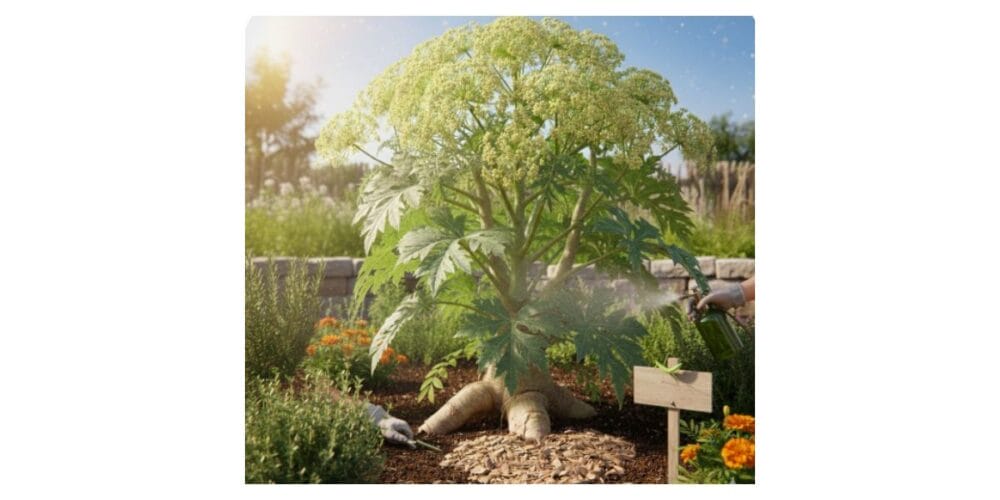
Preventive fungicide spray and proper drainage help reduce disease risk.
Growth Duration and Crop Care
Asafoetida is a slow-growing perennial crop.
Growth Stages:
- Seed germination – 2 to 3 weeks
- Vegetative growth – First 2 years
- Root thickening – 3rd and 4th year
- Resin formation – After 4 years
Minimal disturbance to roots is important for resin yield.
Harvesting of Asafoetida Resin
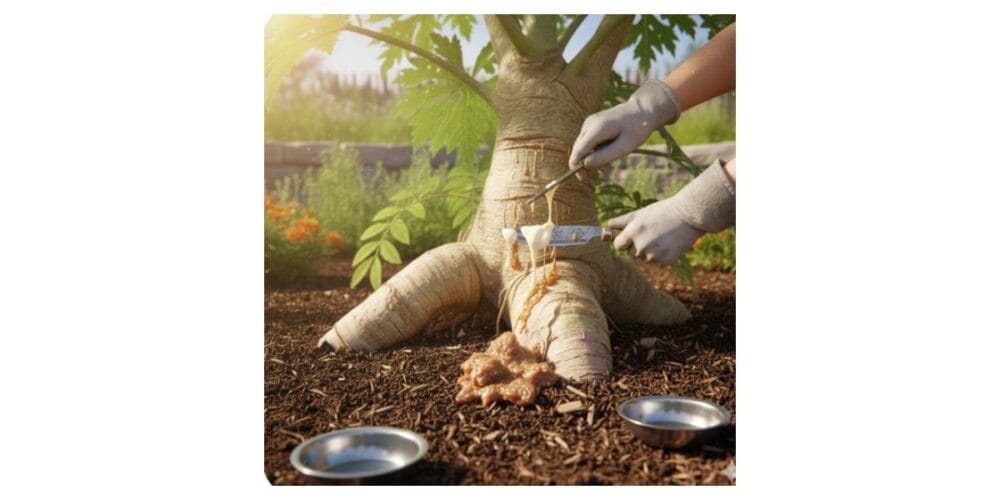
Harvesting starts after 4–5 years when roots become thick and mature.
Harvesting Method:
- Remove soil around root crown
- Cut stem close to root
- Milky latex oozes out
- Latex is collected and dried to form resin
Harvesting is done multiple times during the season.
Yield Expectation
Average yield depends on plant health and climate conditions.
Expected Yield:
- 2 to 5 kg resin per plant (lifetime production)
Benefits of Growing Asafoetida
- High market demand
- Long shelf life spice
- Medicinal value
- Suitable for dryland farming
- Low pest attack crop
Alternate Crops for Similar Climate
Farmers growing asafoetida can also consider:
- Cumin
- Fennel
- Coriander
- Ajwain
These crops also perform well in dry climates.
Also Read: How to Grow Eggplant from Seed in an Organic Kitchen Garden
Frequently Asked Questions (FAQs)
Q1: Can asafoetida grow in tropical climates?
It is difficult but possible in high-altitude dry regions.
Q2: How long does asafoetida take to harvest?
Usually 4 to 5 years.
Q3: Is asafoetida profitable?
Yes, due to high market price and import demand.
Q4: Can it grow in pots?
Not recommended due to deep root system.
Final Opinion
Asafoetida cultivation is a long-term investment crop suitable for farmers in dry and semi-arid regions. Although it requires patience and proper climate conditions, the high market value and increasing demand make it a promising spice crop for the future. With proper soil preparation, nutrient management, and irrigation control, farmers can achieve good resin yield and income.
-

-
-
-

-

-

-
-
-
-
-

-

-

-
-

-
-

-

-
-

-
-
-

-

-
-
-

-
-
-

-
-

-

-

-
-

-
-

-

-

-
-

-

-

-

-
-
-
-

-