How to Grow Saffron
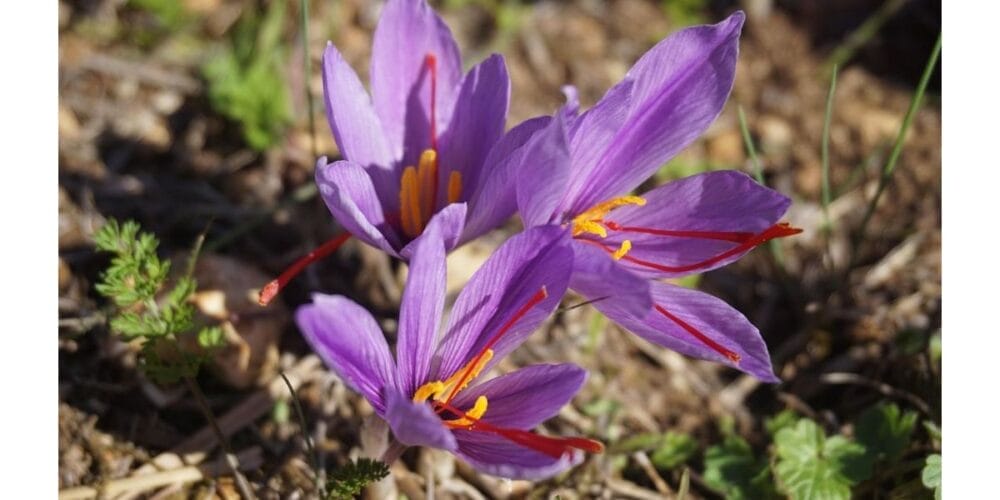
Saffron, often called the “red gold” spice, comes from the flower Crocus sativus. It is one of the most valuable spices in the world because harvesting is completely manual and each flower produces only three red stigmas (the saffron threads). Despite its premium value, saffron can be grown successfully if you understand its climate, soil, and care requirements.
This guide explains everything you need to know about growing saffron — from climate and soil to harvesting and storage.
Table of Contents
What Is Saffron and Why Grow It?
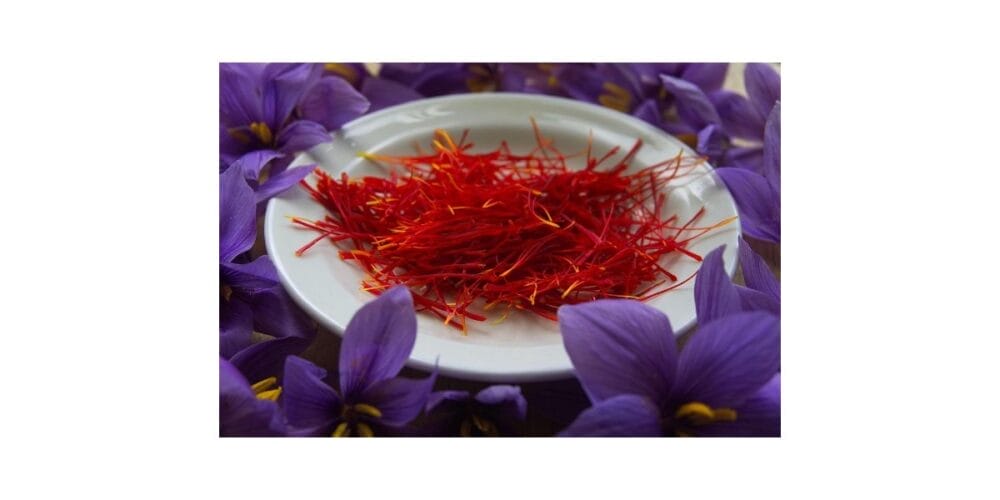
Saffron is harvested from the stigmas of the saffron crocus flower. Around 50–60 flowers are needed to produce just one tablespoon of saffron, which explains its high price.
The plant blooms once per year (usually autumn), and the stigmas must be harvested quickly and dried properly to preserve quality.
Climate Requirements for Growing Saffron
Saffron is a cool-season crop that prefers:
- Warm, dry summers
- Cool winters
- Moderate rainfall
- Plenty of sunlight
During flowering, ideal temperatures are about 15–20°C daytime and 6–8°C at night, while warm summers help corm development.
Saffron is traditionally grown in temperate regions such as Kashmir, but controlled environments or greenhouse methods allow cultivation in non-traditional areas.
Best Soil for Saffron Cultivation
Soil is one of the most important factors in saffron success.
Ideal Soil Conditions
- Well-drained sandy or loamy soil
- Soil pH between 6 and 8
- High organic matter
- Low salinity
Saffron cannot tolerate waterlogging, and heavy clay soils often cause corm rot.
Adding compost, sand, and organic matter helps improve drainage and root growth.
Choosing Quality Saffron Corms
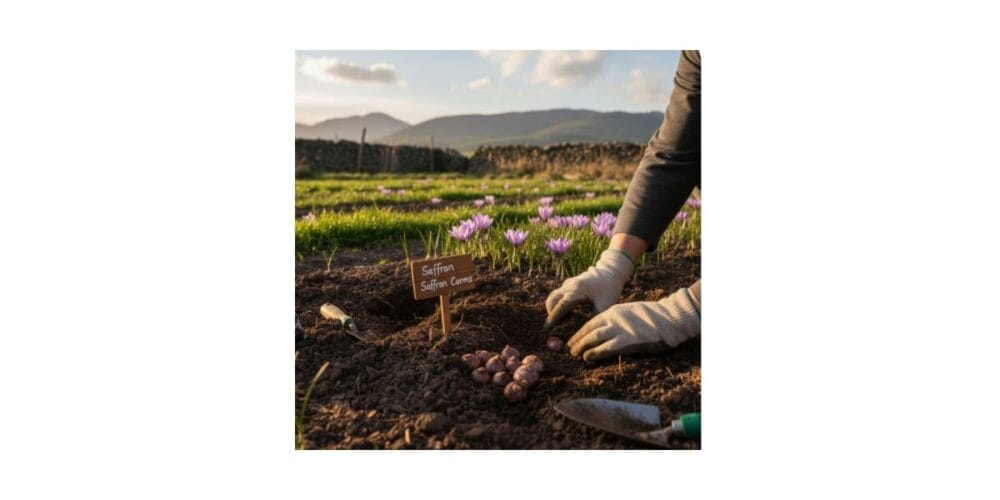
Saffron is not grown from seeds — it is propagated from corms (bulb-like structures).
Good Corm Selection Tips
- Choose disease-free, firm corms
- Prefer large corms (3.5 cm or bigger)
- Larger corms produce more flowers
Large corms may produce up to 3–4 flowers per season, improving yield.
When to Plant Saffron
Best planting time is:
- Late summer to early autumn
- Usually August–September
Planting before cooler weather helps establish roots and supports better flowering.
Also Read: How to Grow Cumin: A Complete Beginner’s Guide
How to Plant Saffron (Step-by-Step)
1. Prepare Soil
Mix:
- Garden soil
- Coarse sand
- Compost
This prevents water stagnation and supports healthy root growth.
2. Planting Depth and Spacing
- Depth: 10–20 cm depending on soil
- Spacing: 10–15 cm between corms
Proper depth ensures good anchoring and strong growth.
3. Plant Orientation
Place corms with pointed side facing upward.
Sunlight and Water Requirements
Sunlight
Saffron needs:
- At least 5–6 hours sunlight daily
- Preferably full sun exposure
Insufficient light reduces flowering.
Watering
- Water lightly after planting
- Water only when soil becomes dry
- Avoid excessive moisture
Overwatering is one of the main causes of saffron failure.
Fertilizer and Nutrient Management
Saffron plants usually need minimal fertilization, but:
- Organic manure before planting is beneficial
- High phosphorus fertilizer can improve flowering
Adding 10–20 tons of farmyard manure per hectare improves soil fertility.
Also Read: How to Grow Clove: A Complete Guide for Gardeners and Farmers
Flowering and Harvesting Saffron
Flowering Time
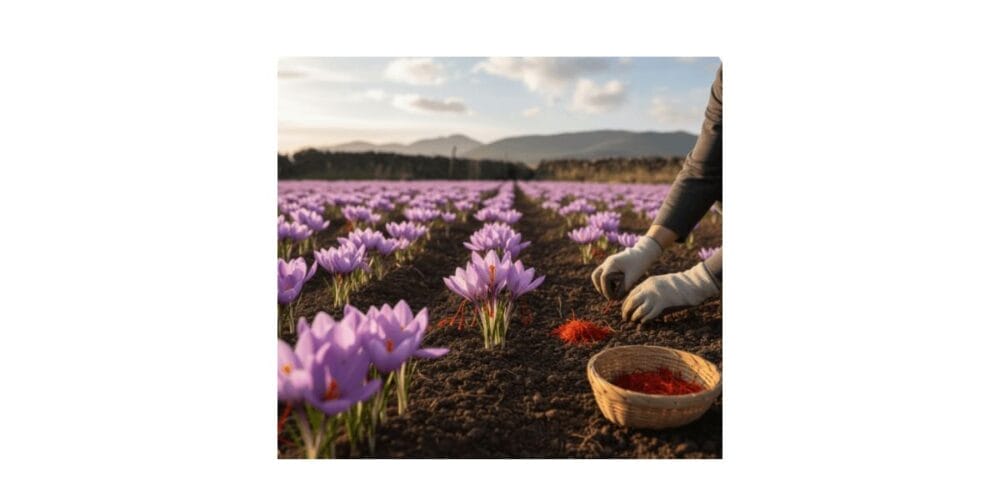
Flowers usually bloom:
- October to November (in most climates)
Harvesting Method
- Pick flowers early morning
- Remove red stigmas carefully
- Dry in shade or controlled heat
Since saffron flowers bloom only briefly, harvesting must be fast and precise.
Drying and Storage of Saffron
After harvesting:
- Dry stigmas immediately
- Store in airtight container
- Keep in cool, dark place
Proper drying ensures strong aroma and color.
Yield Expectations
Yield depends on:
- Corm size
- Plant density
- Climate
- Management practices
Generally, dried saffron equals about 15–20% of fresh stigma weight. (Alibaba)
Common Problems in Saffron Farming
1. Corm Rot
Cause: Waterlogging
Solution: Improve drainage
2. Poor Flowering
Cause: Small corms or low sunlight
Solution: Use large corms and ensure full sun
3. Pest Damage
Rodents and insects can damage corms — field hygiene helps control them.
Also Read: Ashwagandha Growing Guide: How to Grow Ashwagandha Plant at Home and Farm Level
Can You Grow Saffron at Home?
Yes. Saffron can be grown in:
- Pots
- Raised beds
- Indoor controlled setups
But remember: It takes many flowers to produce usable spice.
Benefits of Saffron
1. Health Benefits
Saffron contains powerful compounds like crocin and safranal that provide:
- Antioxidant properties
- Support for heart health
- Mood improvement and stress reduction
- Potential anti-cancer and anti-inflammatory effects
Saffron has been traditionally used to treat various health conditions and protect cells from damage.
2. High Economic Value
Saffron is one of the highest-value spices globally. Small cultivation areas can generate significant income if quality is maintained.
3. Long Shelf Life
Properly dried saffron can be stored for years without losing much quality.
4. Low Water Requirement
Compared to many crops, saffron needs less water, making it suitable for semi-arid regions.
5. High Export Demand
Saffron has strong international demand in food, cosmetic, and pharmaceutical industries.
Final Thoughts
Saffron cultivation requires patience, precise climate management, and careful harvesting. However, it is a high-value crop that can be grown successfully on small or large scales with proper planning.
If you provide:
- Well-drained soil
- Moderate climate
- Good quality corms
- Limited watering
You can successfully grow saffron even outside traditional growing regions.
Also Read: About How to Grow Saffron on https://growingspaces.com/blog/growing-saffron/ Site
How to Grow Saffron Review
Product Cost
Compatibility
Availability
Aggregate Customer Score
Overall Rating: Excellent
-

-

-

-

-

-

-

-

-

-

-

-

-

-

-

-

-

-

-

-

-
-

-

-
-
-
-
-
-

-

-

-

-
-

-
-

-

-

-

-

-

-

-
-

-

-

-

-

-

-