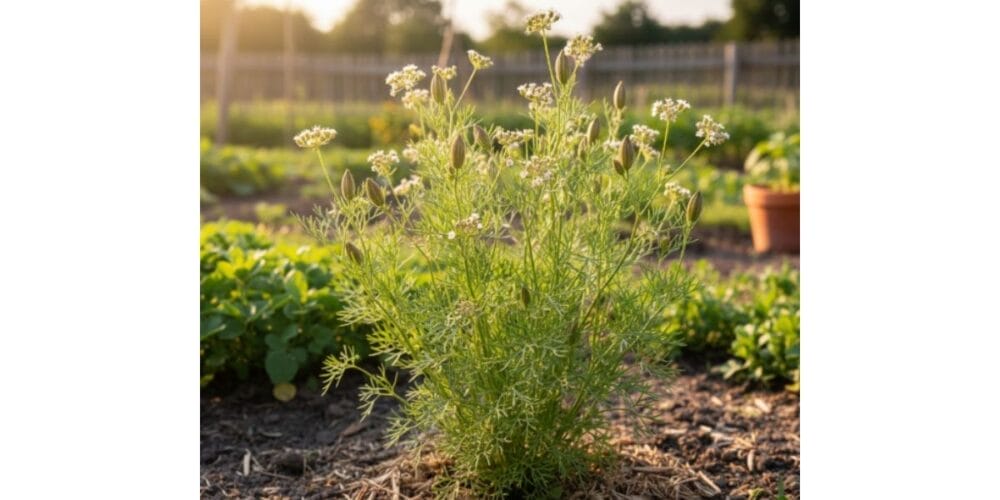
How to Grow Cumin
Cumin (Cuminum cyminum) is one of the most widely used spice crops in the world and a staple ingredient in Indian cooking. The aromatic seeds are used in curries, spice blends, and traditional medicines. India is the world’s largest producer and consumer of cumin, making it an important crop for both farmers and home gardeners. (IAS Gyan)
If you want to grow cumin successfully, you need to understand its climate requirements, soil needs, planting methods, and care practices. This guide explains everything step-by-step.
Table of Contents
Why Grow Cumin?
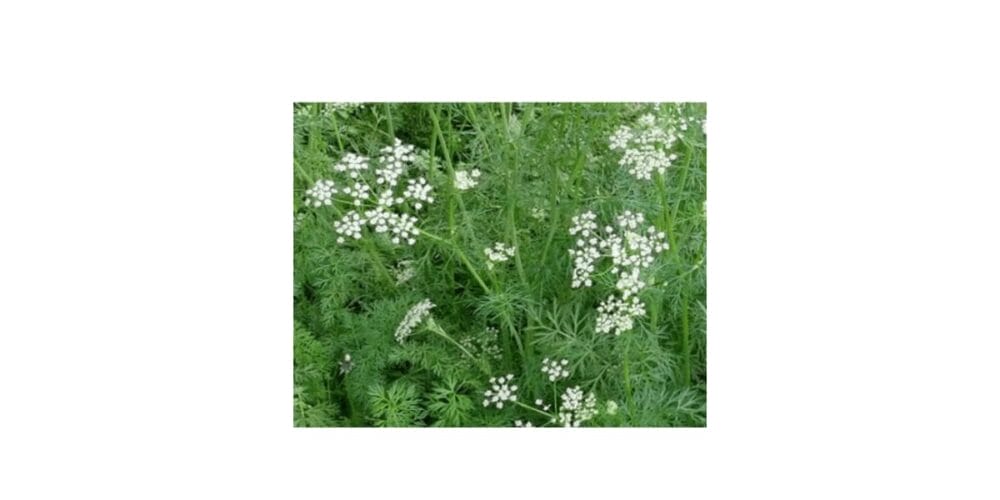
Growing cumin at home or on a farm offers several benefits:
- High-value spice crop
- Suitable for dry and semi-arid climates
- Requires relatively low water compared to many crops
- Can be grown in small garden spaces
Cumin is generally grown as a winter (rabi) crop in India and harvested in spring.
Ideal Climate for Growing Cumin
Cumin grows best in dry, moderately cool climates with plenty of sunshine.
Temperature
- Ideal range: 25–30°C for growth
- Germination affected below 10°C or above 30°C
- Needs frost-free conditions
Cumin is sensitive to frost, high humidity, and waterlogging, especially during flowering.
Growing Season
Cumin requires about 120–150 days to complete its life cycle.
Best Soil for Cumin Cultivation
Cumin grows best in:
- Sandy loam or loamy soil
- Well-drained fields
- Soil rich in organic matter
- Soil pH between 6.0 and 7.5
Heavy clay or saline soils should be avoided because they reduce germination and root growth.
Also Read: How to Grow Clove: A Complete Guide for Gardeners and Farmers
Land Preparation
Proper field preparation improves germination and yield.
Steps:
- Deep plough once
- Harrow soil 2–3 times
- Level the field
- Add organic manure before final ploughing
Adding farmyard manure or compost improves soil fertility and moisture retention.
When to Plant Cumin
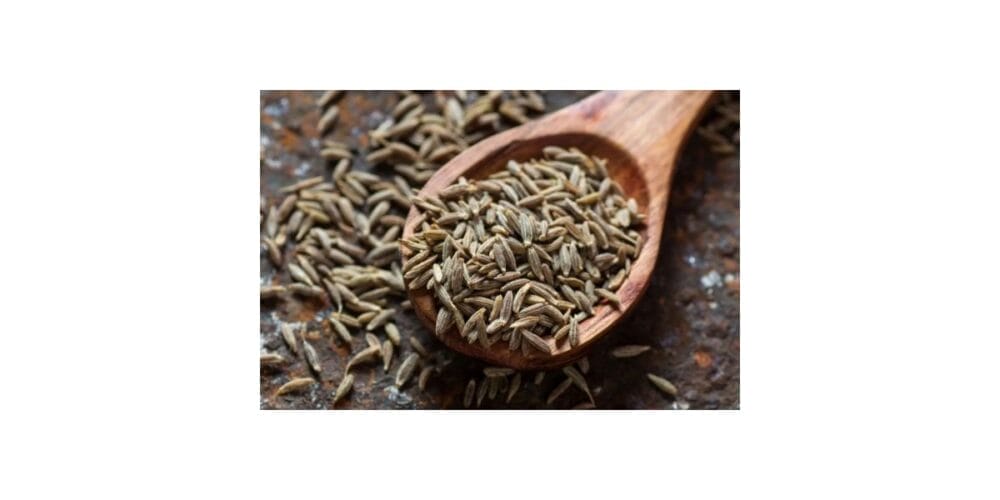
In India
- Best sowing time: Early to late November
- Grown as a winter crop
Planting during the correct season ensures proper flowering and seed formation.
Seed Selection and Sowing
Seed Preparation
- Use disease-free, high-quality seeds
- Soaking seeds for several hours can improve germination
Sowing Method
- Seed depth: About 1–1.5 cm
- Row spacing: 25–30 cm
- Plant spacing: 10 cm
Shallow sowing improves germination and seedling vigor.
Fertilizer and Nutrient Management
Cumin requires moderate fertilization.
Organic Fertilizer
- 4–5 tons farmyard manure per acre before planting
Chemical Fertilizers (Example Program)
- DAP and small amounts of urea at sowing
- Additional nitrogen during early growth
Balanced nutrients improve seed yield and plant health.
Irrigation Management
Cumin prefers light irrigation rather than heavy watering.
General Irrigation Schedule
- First irrigation: Immediately after sowing
- Second irrigation: After 6–7 days
- Later irrigation: Every 8–10 days if needed
Avoid irrigation during seed maturity because excess water reduces seed quality.
Weed Control
Cumin grows slowly in early stages, so weeds can compete easily.
Control Methods
- Pre-emergence herbicides
- Hand weeding after 25–30 days
- Light hoeing
Weed management during early growth is very important for good yield.
Also Read: Indoor Plants vs Outdoor Plants: Key Differences,5 Benefits, and How to Choose the Right One
Pest and Disease Management
Common pests include:
- Aphids
- Jassids
- Fungal diseases in humid conditions
Prevention Tips
- Avoid excess moisture
- Maintain proper spacing
- Monitor crop regularly
Dry conditions help reduce pest and disease pressure.
Harvesting Cumin
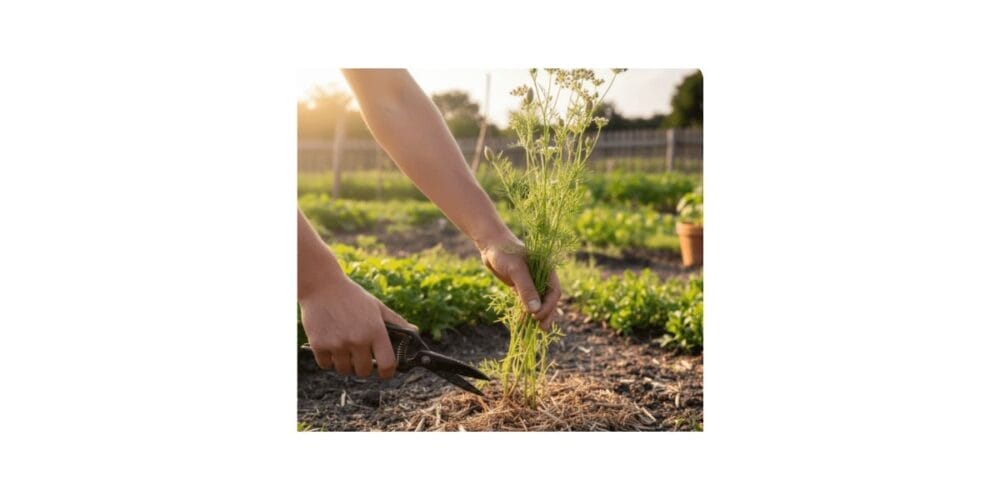
Cumin is usually ready to harvest in about 4–5 months.
Signs of Maturity
- Seeds turn brown or yellowish
- Plants start drying
Harvest before seeds fall off the plant to avoid losses.
Yield Expectations
With proper management, cumin gives good returns. Yield depends on climate, soil fertility, and crop care practices.
Tips for Successful Cumin Growing
Choose well-drained soil
Avoid humid or waterlogged areas
Use fresh seeds for better germination
Follow proper irrigation schedule
Rotate crops to reduce disease risk
Also Read: Dhania Coriander: The Everyday Herb With an Ancient Story, Powerful Nutrition & Global Fame!
Final Thoughts
Growing cumin can be rewarding if you provide the right conditions. Since it prefers dry climates and well-drained soils, it is especially suitable for many parts of India. By focusing on correct sowing time, proper irrigation, and good soil fertility, you can produce high-quality cumin seeds either in your garden or on a farm.
Whether you are a home gardener or a commercial farmer, cumin is a valuable spice crop worth trying.
-

-

-

-

-

-

-

-

-

-

-

-

-

-

-

-

-

-

-

-

-
-
-

-
-
-
-
-

-

-

-

-

-
-

-

-

-

-

-
-

-

-

-
-

-

-

-

-

-
-