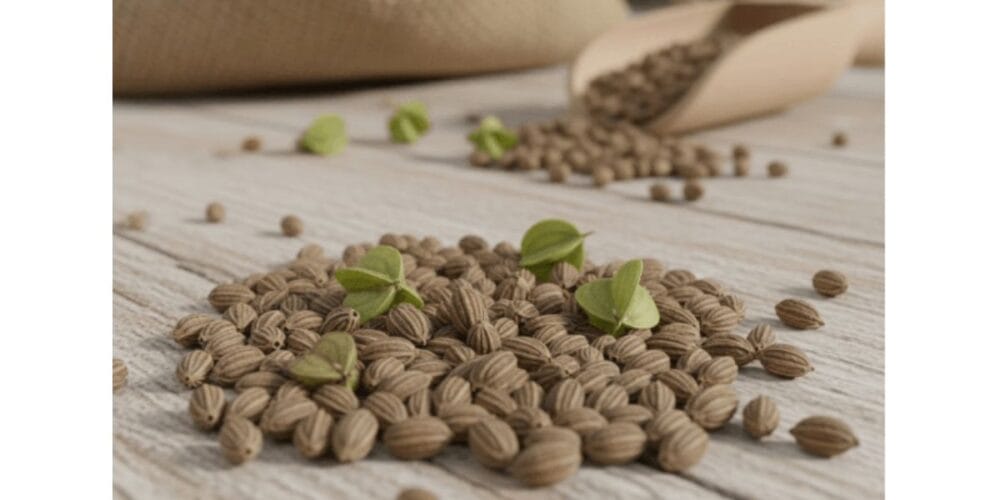
How to Grow Ajwain (Carom Seeds)
Ajwain, also known as carom seeds, is a popular spice crop widely used in Indian kitchens for its strong aroma and medicinal value. Scientifically known as Trachyspermum ammi, Ajwain belongs to the Apiaceae family and is valued for its digestive and therapeutic properties. It is a low-maintenance crop that grows well in dry and semi-arid climates, making it an ideal choice for farmers looking for a profitable spice crop during the Rabi season.
If you’re planning to grow Ajwain in your farm or garden, this step-by-step guide will help you understand the entire cultivation process from seed selection to harvesting.
Table of Contents
Climate and Soil Requirements for Ajwain Cultivation
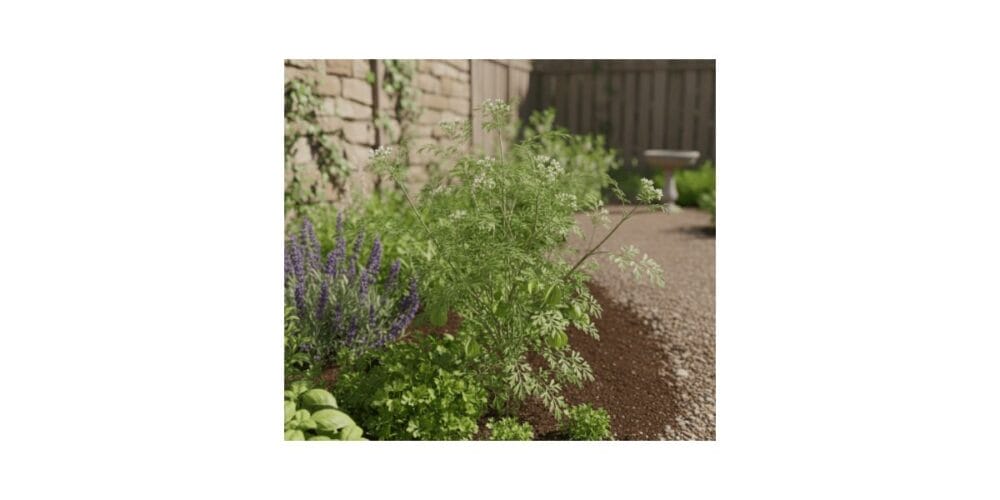
Ajwain is best suited for cool and dry climatic conditions. The crop grows well in temperatures ranging between 15°C to 25°C. Excessive humidity and rainfall during flowering and seed formation stages may negatively affect yield and seed quality.
Ajwain can be grown in a variety of soils; however, well-drained sandy loam or loamy soils rich in organic matter are considered ideal. Soil pH between 6.5 and 8.0 is most suitable for optimum growth. Avoid waterlogged or heavy clay soils as they may cause root rot and poor plant development.
Land Preparation
Proper land preparation is essential for better germination and root growth. Plough the field 2–3 times to achieve a fine tilth and remove weeds or crop residues. Incorporate well-decomposed farmyard manure (FYM) at the rate of 10–15 tons per hectare during the last ploughing to enhance soil fertility.
Create raised beds or level the field properly to ensure efficient irrigation and drainage.
Seed Selection and Sowing
Use high-quality, disease-free seeds obtained from reliable sources. The average seed rate required for Ajwain cultivation is about 3–4 kg per hectare.
Sowing Time:
- October to November is the ideal time for sowing Ajwain in most parts of India.
Sowing Method:
Ajwain seeds are usually sown by broadcasting or line sowing methods.
- Row spacing: 30–45 cm
- Plant spacing: 15–20 cm
- Sowing depth: 1–2 cm
After sowing, lightly cover the seeds with soil and irrigate the field to promote uniform germination. Seeds usually germinate within 8–12 days.
Also Read: How to Grow Mustard Seeds: A Complete Guide for Home Gardeners and Farmers
Fertilizer Management
Ajwain responds well to balanced fertilization.
Recommended Fertilizer Dose:
- Nitrogen (N): 40–60 kg/ha
- Phosphorus (P₂O₅): 20–30 kg/ha
- Potassium (K₂O): 20–30 kg/ha
Apply the full dose of phosphorus and potassium along with half of the nitrogen at the time of sowing. The remaining nitrogen should be applied as a top dressing 30–40 days after sowing for better plant growth.
You can also apply micronutrients like zinc and boron if soil deficiency is observed to enhance seed yield and quality.
Irrigation Management
Ajwain is a drought-tolerant crop but requires timely irrigation at critical growth stages.
Important Irrigation Stages:
- Germination stage
- Flowering stage
- Seed formation stage
Provide the first irrigation immediately after sowing. Subsequent irrigations should be given at intervals of 15–20 days depending on soil moisture and climatic conditions. Avoid excessive irrigation as it may lead to fungal diseases.
Also Read: How to Grow Charoli (Chironji) Tree: Complete Cultivation Guide from Seed to Harvest
Weed Management
Weeds can significantly reduce Ajwain yield by competing for nutrients, light, and water.
- First weeding should be done 20–25 days after sowing.
- Second weeding can be carried out 40–45 days after sowing.
Hand weeding or mechanical weeding is usually sufficient to control weed growth. Mulching can also help in suppressing weeds and conserving soil moisture.
Pest and Disease Management
Ajwain is relatively resistant to pests and diseases, but some common problems include:
- Aphids: These sap-sucking insects may damage the plants during early growth stages. Neem oil spray or suitable insecticides can help manage aphid infestation.
- Powdery Mildew: This fungal disease affects leaves and reduces plant vigor. Apply sulfur-based fungicides or maintain proper plant spacing for better air circulation.
Regular monitoring of the crop helps in early detection and effective control of pests and diseases.
Harvesting
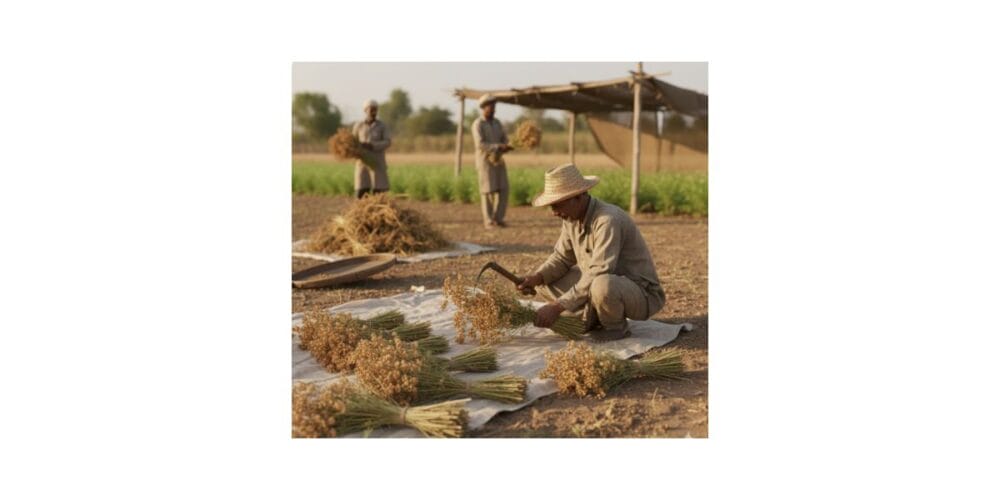
Ajwain crop is ready for harvesting within 130–150 days after sowing. Harvesting should be done when the seeds turn brownish and the plants start drying.
Cut the plants close to the ground and dry them in sunlight for 4–5 days. After proper drying, thresh the plants to separate the seeds.
Yield
With proper cultivation practices, Ajwain can yield around 8–12 quintals per hectare. The yield may vary depending on soil fertility, climate, and crop management techniques.
Benefits of Growing Ajwain
- Requires low water and maintenance
- Suitable for dryland farming
- High market demand due to medicinal uses
- Good shelf life and storage stability
- Profitable spice crop for small-scale farmers
FAQs
1. Can Ajwain be grown in pots?
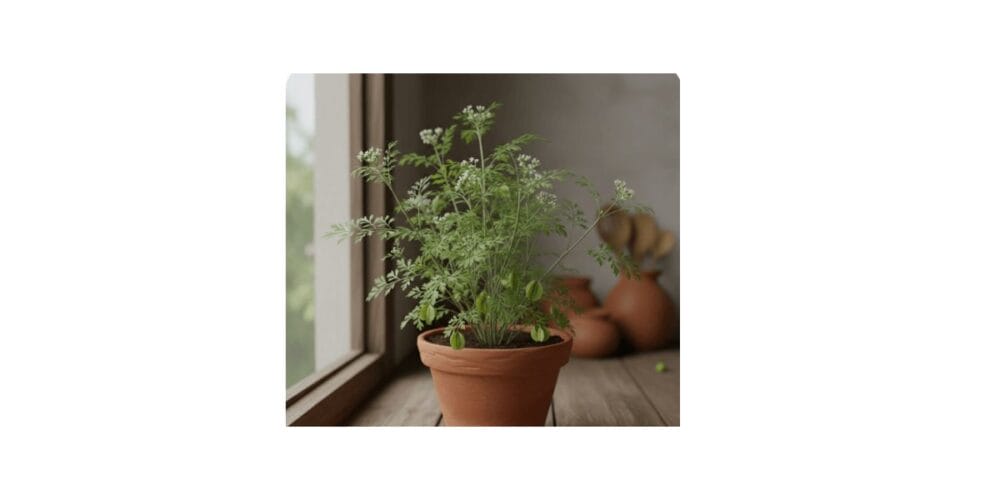
Yes, Ajwain can be grown in containers with well-drained soil and proper sunlight.
2. How long does Ajwain take to grow?
Ajwain takes about 4–5 months to reach maturity.
3. Is Ajwain suitable for organic farming?
Yes, Ajwain can be successfully grown using organic fertilizers and natural pest control methods.
Also Read: How to Grow White Pepper: A Complete Cultivation Guide for High-Quality Spice Production
Final Thoughts
Ajwain cultivation is an excellent option for farmers seeking a low-investment, high-return spice crop. By following proper agronomic practices such as timely sowing, balanced fertilization, and efficient irrigation, growers can achieve higher productivity and better-quality seeds. With increasing demand in both culinary and medicinal markets, Ajwain farming offers promising income opportunities for Indian farmers.
-
-
-
-

-

-

-
-
-
-
-
-

-
-
-
-
-

-

-
-
-
-
-
-
-
-
-

-
-
-

-
-
-
-

-
-

-
-
-

-

-
-

-

-

-
-
-
-
-

-