How to Grow Nigella Seeds
Nigella, commonly known as black cumin or kalonji, is a highly valued medicinal and spice crop grown across many parts of Asia and the Middle East. The seeds are widely used in cooking, traditional medicine, and oil extraction. Growing nigella is relatively easy, making it a good option for both commercial farmers and home gardeners.
In this detailed guide, you will learn everything about nigella seed cultivation — from soil preparation to harvesting and yield improvement.
Table of Contents
What Are Nigella Seeds?
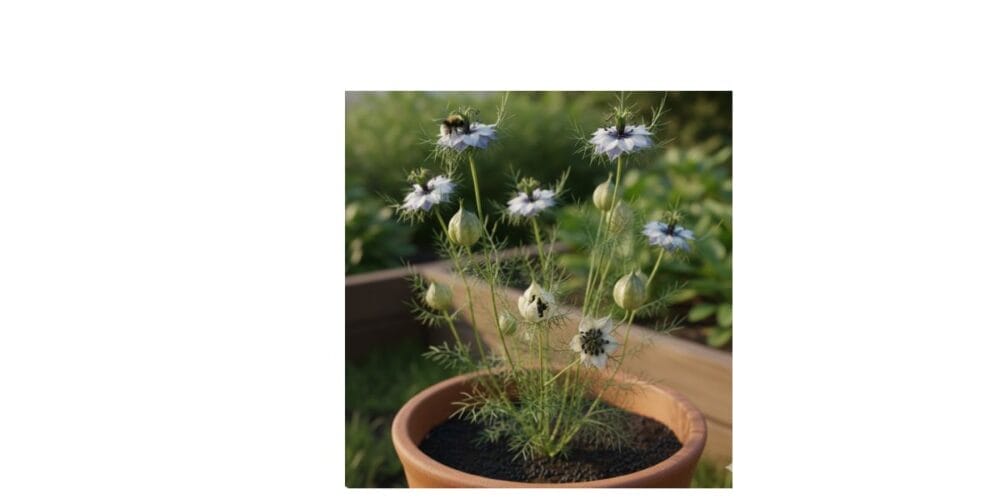
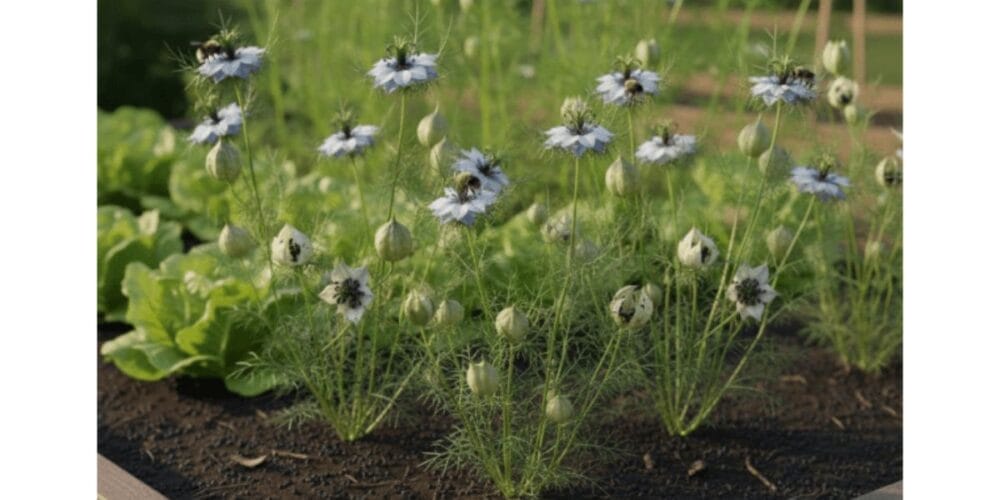
Nigella seeds come from a small annual flowering plant. The plant produces delicate pale blue or white flowers followed by seed pods containing small black seeds. These seeds are aromatic, slightly bitter, and rich in essential oils and antioxidants.
Climate Requirements for Nigella Cultivation
Nigella grows best in cool to moderate climates. It is mainly grown as a rabi (winter) season crop in India.
Ideal Conditions:
- Temperature: 15°C to 25°C
- Rainfall: Low to moderate
- Sunlight: Full sunlight required
- Frost: Light frost tolerated but severe frost can damage crop
Soil Requirements
Nigella grows well in well-drained soils and does not tolerate waterlogging.
Best Soil Types:
- Sandy loam
- Loamy soil
- Well-drained black soil
Ideal Soil pH: 6.0 to 7.5
Before sowing, apply organic manure or compost to improve soil fertility and structure.
Land Preparation
Proper land preparation ensures good germination and plant growth.
Steps:
- Plough field 2–3 times to make fine tilth
- Remove weeds and stones
- Add FYM (Farmyard Manure) @ 5–8 tons per acre
- Level the field properly
Seed Rate and Sowing Method
Seed Rate
- 4–5 kg seeds per acre
Sowing Time
- October to November (Best for most parts of India)
Sowing Method
- Line sowing is recommended
- Row spacing: 25–30 cm
- Plant spacing: 10–15 cm
- Sowing depth: 1–2 cm
Avoid deep sowing because seeds are small and may fail to germinate.
Also Read: How to Grow Poppy Seeds: A Complete Beginner to Pro Guide
Fertilizer Management
Nigella responds well to balanced nutrition.
Recommended Dose (Per Acre):
- Nitrogen (N): 20–25 kg
- Phosphorus (P): 15–20 kg
- Potassium (K): 10–15 kg
Application Method:
- Apply full phosphorus and potassium at sowing
- Apply nitrogen in two splits (basal + 30 days after sowing)
Organic farmers can use vermicompost and biofertilizers.
Irrigation Management
Nigella requires limited irrigation but timely watering improves yield.
Critical Stages:
- Germination stage
- Flowering stage
- Seed formation stage
Irrigation Frequency:
- First irrigation after sowing
- Then every 20–25 days depending on soil moisture
Avoid overwatering as it causes root rot and fungal diseases.
Weed Management
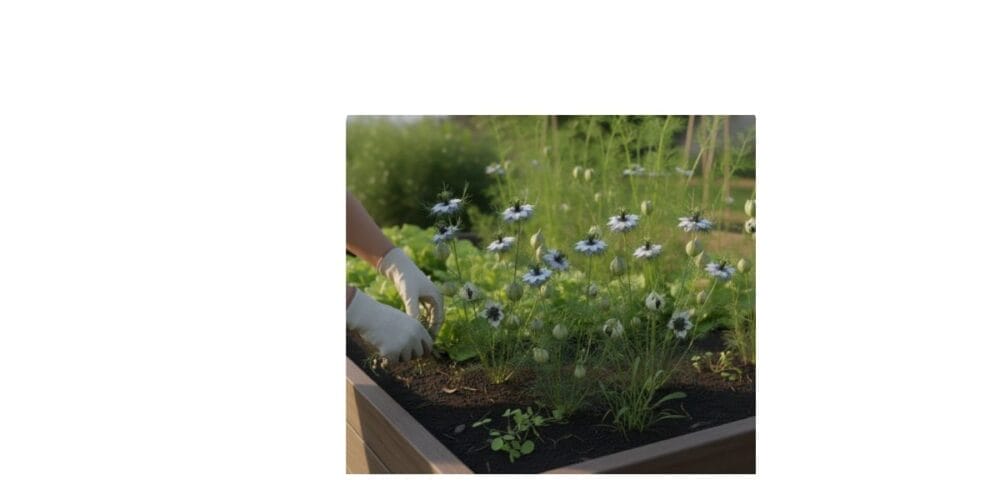
Weeds compete for nutrients and sunlight.
Control Methods:
- First weeding: 20–25 days after sowing
- Second weeding: 45 days after sowing
Mulching can also help control weeds and conserve soil moisture.
Pest and Disease Management
Common Pests
Aphids
- Cause leaf curling and sap sucking
- Control: Neem oil spray or recommended insecticide
Common Diseases
Powdery Mildew
- White powder on leaves
- Control: Sulphur-based fungicide spray
Root Rot
- Caused by waterlogging
- Control: Ensure proper drainage
Flowering and Seed Formation
Nigella plants start flowering 60–70 days after sowing. Seed capsules develop after flowering and gradually turn brown when mature.
Also Read: How to Grow Cubeb Pepper: Complete Cultivation Guide for Farmers and Gardeners
Harvesting
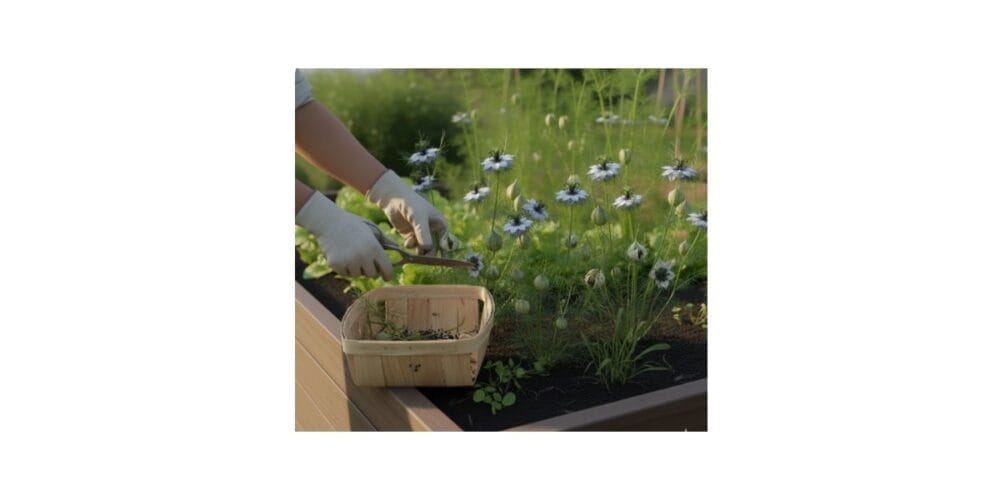
Harvest Time
- 130–150 days after sowing
Harvesting Signs
- Plants turn yellow
- Seed pods become brown
- Seeds become hard and black
Harvest Method
- Cut plants and dry in shade
- Thresh after proper drying
Avoid delayed harvesting to prevent seed shattering.
Yield Expectation
Average Yield:
- 3–5 quintals per acre (depending on management and variety)
Post-Harvest Handling
- Clean seeds properly
- Dry seeds to safe moisture level
- Store in airtight containers
- Protect from moisture and insects
Proper storage maintains oil content and seed quality.
Benefits of Growing Nigella
High market demand
Medicinal and spice value
Low input cost crop
Suitable for dry areas
Good export potential
Intercropping Possibilities
Nigella can be intercropped with:
- Coriander
- Fenugreek
- Mustard
This helps maximize land use and income.
Also Read: Dhania Coriander: The Everyday Herb With an Ancient Story, Powerful Nutrition & Global Fame!
Frequently Asked Questions (FAQs)
Is nigella easy to grow?
Yes, it is a low-maintenance crop suitable for beginners.
How long does nigella take to grow?
About 4–5 months from sowing to harvesting.
Can nigella grow in pots?
Yes, if the pot has good drainage and full sunlight.
Is nigella drought tolerant?
Moderately drought tolerant once established.
Final Opinion
Nigella seed cultivation is an excellent choice for farmers looking for a low-cost, high-value spice crop. With proper soil preparation, timely sowing, balanced nutrition, and basic pest management, farmers can achieve good yields and profits. Due to increasing demand in spice markets and medicinal industries, nigella farming has strong future potential.
Also Read: About How to Grow Nigella Seeds on https://vitalseeds.co.uk/guides/how-to-grow-nigella/ Site
-

-

-

-

-

-
-

-

-

-

-

-

-

-

-

-

-
-

-

-

-
-
-
-
-
-
-
-
-
-

-
-
-
-

-
-

-
-

-
-

-

-

-
-

-

-

-

-

-
-