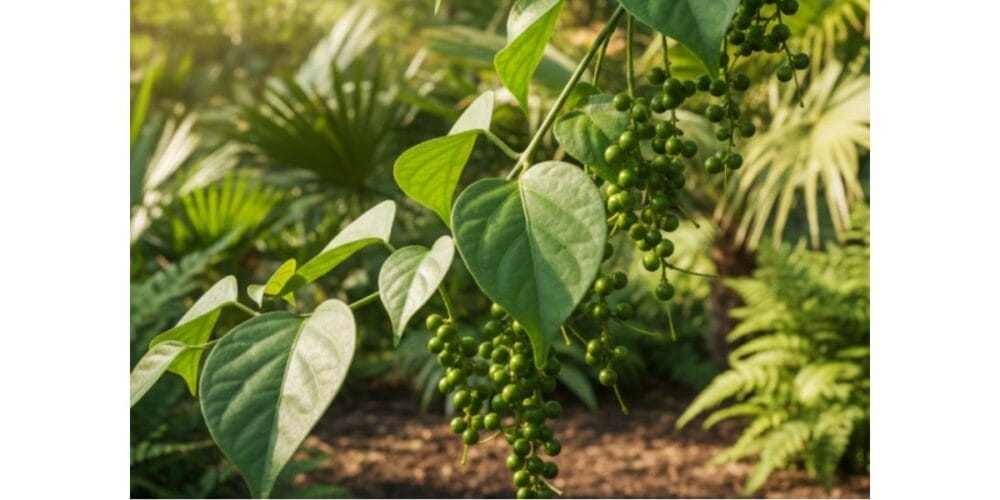
Introduction of How to Grow Cubeb Pepper
Cubeb pepper, often called tailed pepper, is a unique spice crop known for its medicinal value, aromatic flavor, and export potential. Though not widely cultivated compared to black pepper, cubeb pepper has growing demand in herbal medicine, spice markets, and specialty food industries. Farmers looking to diversify high-value spice crops can consider cubeb pepper cultivation as a profitable option.
This guide explains everything you need to know about growing cubeb pepper successfully—from climate and soil requirements to planting, nutrition management, and harvesting.
Table of Contents
What is Cubeb Pepper?
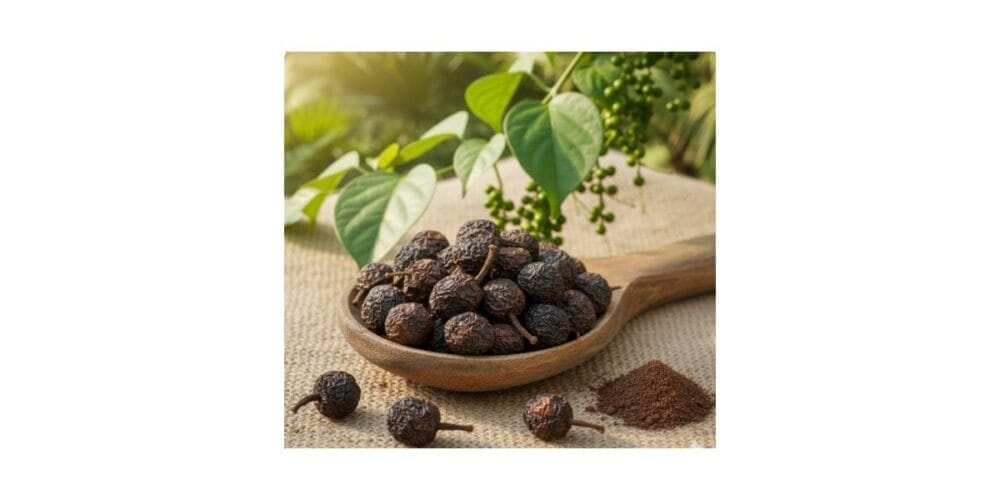
Cubeb pepper is a tropical climbing plant that produces small berries similar to black pepper but with a distinct tail-like stalk. The dried berries are used in traditional medicine, spice blends, and essential oil extraction.
Climate Requirements for Cubeb Pepper
Cubeb pepper grows best in tropical and subtropical climates.
Ideal Conditions:
- Temperature: 20°C to 32°C
- Rainfall: 1500–3000 mm annually
- Humidity: High humidity preferred
- Light: Partial shade is ideal
Cubeb plants grow well in regions where black pepper is already cultivated.
Soil Requirements
Healthy soil plays a major role in cubeb pepper yield and quality.
Best Soil Type:
- Well-drained loamy soil
- Rich in organic matter
- Soil pH: 5.5 – 6.5
Avoid waterlogged soil because it can cause root rot and plant death.
Also Read: Magnesium Salt Uses in Agriculture: Benefits, Application Methods, and Farming Advantages
Land Preparation
Proper land preparation ensures better root growth and nutrient absorption.
Steps:
- Plough the field deeply.
- Add well-decomposed farmyard manure (FYM).
- Prepare pits of size 50 × 50 × 50 cm.
- Fill pits with topsoil mixed with compost.
Propagation and Planting
Cubeb pepper is mainly propagated through stem cuttings.
Planting Method:
- Select healthy mother plants.
- Take semi-hardwood cuttings.
- Plant during monsoon season.
- Provide support using live trees or poles.
Spacing:
Maintain 2–3 meters between plants for proper air circulation.
Nutrient Management
Cubeb pepper responds well to balanced fertilization.
Organic Nutrition:
- Farmyard manure: 5–10 kg per plant annually
- Vermicompost: 2–3 kg per plant
Chemical Fertilizer Recommendation (General Guide):
- Nitrogen: 50–100 g per plant
- Phosphorus: 40–60 g per plant
- Potassium: 100–150 g per plant
Split fertilizer doses into 2–3 applications per year.
Irrigation Management
Cubeb pepper needs regular moisture but not water stagnation.
Irrigation Schedule:
- Rainy Season: Usually not required
- Summer: Irrigate once every 5–7 days
- Winter: Irrigate once every 10–15 days
Mulching helps conserve soil moisture and control weeds.
Training and Pruning
Training is important because cubeb is a climbing vine.
Best Practices:
- Provide strong vertical support
- Remove dead or diseased branches
- Prune excess growth to improve airflow
Weed Management
Weeds compete for nutrients and water.
Control Methods:
- Manual weeding every 30–45 days
- Mulching using dry leaves or straw
- Cover cropping if possible
Pest and Disease Management
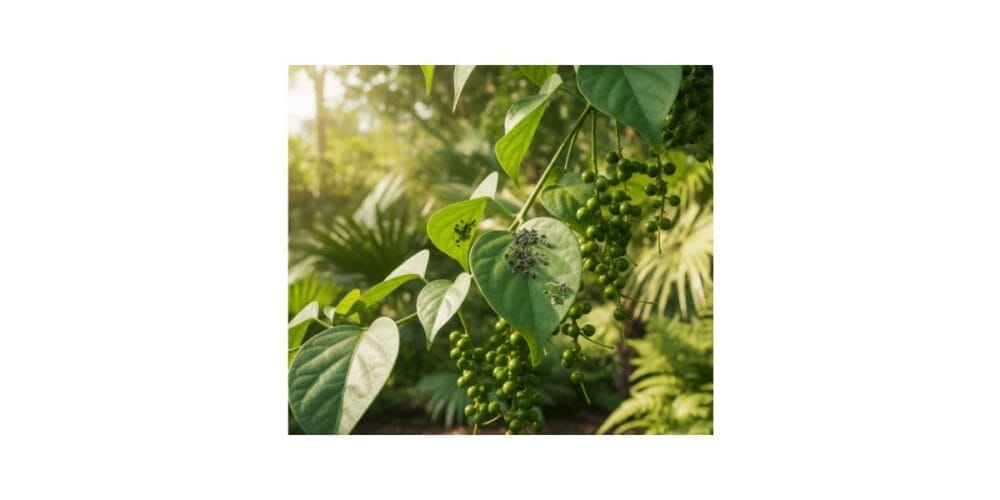
Common Pests
- Aphids
- Mealybugs
- Scale insects
Control:
Use neem oil spray or bio-pesticides.
Common Diseases
- Root rot
- Leaf spot
- Quick wilt
Prevention:
- Maintain good drainage
- Avoid water stagnation
- Use disease-free planting material
Flowering and Fruiting
Cubeb pepper plants usually start yielding after 2–3 years.
Flowering depends on:
- Climate conditions
- Plant health
- Nutrient management
Harvesting
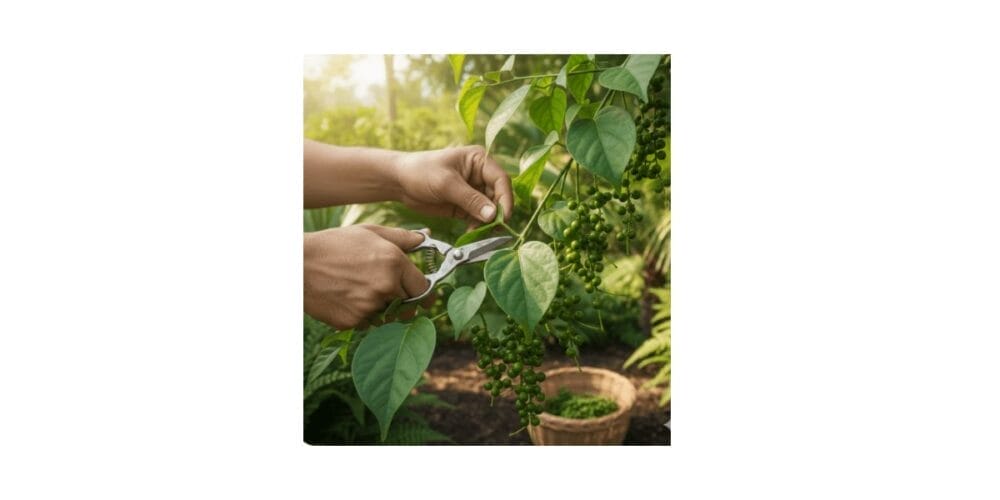
Cubeb berries are harvested before full ripening.
Harvest Indicators:
- Berries turn dark green to brown
- Tail remains attached
- Firm berry texture
Harvest manually to avoid berry damage.
Also Read: How to Grow Black Pepper (Complete Beginner to Farmer Guide)
Post-Harvest Processing
After harvesting:
- Wash berries
- Sun dry for 3–5 days
- Store in moisture-free containers
Proper drying improves shelf life and market value.
Yield Expectation
Under good management:
- Yield: 1–2 kg dried berries per mature vine annually
- Economic life: 15–20 years
Benefits of Growing Cubeb Pepper
High market value spice
Export demand potential
Medicinal and herbal industry use
Suitable for intercropping in spice gardens
Long productive life
Recommended Intercrops
Farmers can grow cubeb pepper with:
- Coconut
- Arecanut
- Coffee
- Nutmeg
This improves land use efficiency and farm income.
Alternate High-Value Spice Crop Options
If cubeb pepper is not suitable, farmers can consider:
- Black pepper
- Clove
- Nutmeg
- Cardamom
Frequently Asked Questions (FAQs)
Is cubeb pepper cultivation profitable?
Yes, due to niche market demand and high spice value.
How long does cubeb pepper take to produce?
Usually 2–3 years after planting.
Can cubeb pepper grow in pots?
Yes, but commercial production requires field cultivation.
Does cubeb pepper need shade?
Yes, partial shade improves growth and berry quality.
Also Read: How to Grow Caraway: Complete Cultivation Guide for Beginners and Farmers
Final Opinion
Cubeb pepper is an excellent specialty spice crop for farmers interested in high-value, export-oriented cultivation. With proper soil management, balanced nutrition, and good drainage, farmers can achieve stable long-term income. Although it requires patience during early growth years, its long productive life and premium market value make it a smart investment crop for spice-growing regions.
Also Read: About How to Grow Cubeb Pepper on https://www.socfindoconservation.co.id/plant/1023?lang=en Site
-

-

-

-

-

-

-

-

-

-

-

-

-

-

-

-

-

-

-

-

-
-
-
-
-
-
-
-
-

-

-

-

-
-

-

-

-

-

-
-

-

-

-
-

-

-

-

-

-
-