How to Grow Charoli (Chironji) Tree
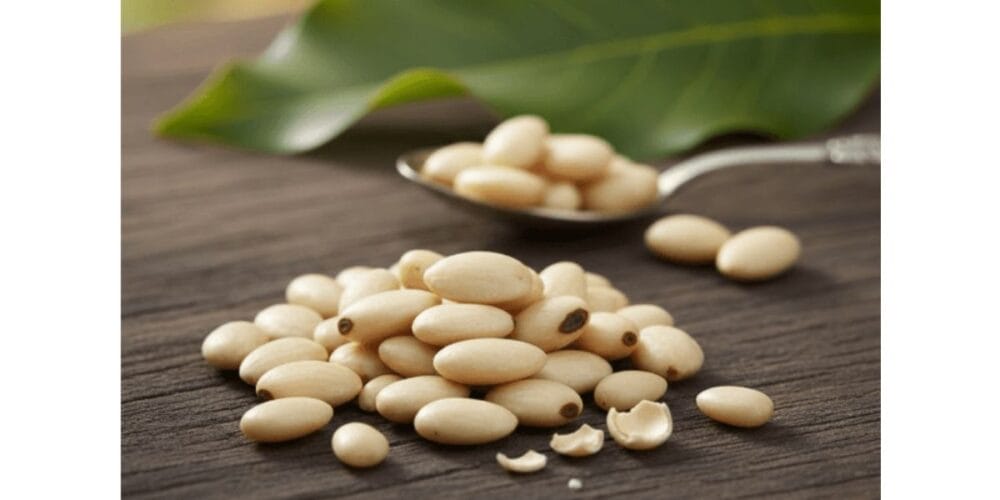
Charoli, also known as Chironji, is a highly valued dry fruit widely used in Indian sweets and traditional recipes. Scientifically called Buchanania lanzan, this tropical deciduous tree is native to the Indian subcontinent and thrives well in warm and dry climates. Its seeds are rich in protein, healthy fats, and essential nutrients, making them commercially important in the food and cosmetic industries.
If you’re planning to grow Charoli for commercial farming or in your backyard, this step-by-step guide will help you understand everything from planting to harvesting.
Climate and Soil Requirements
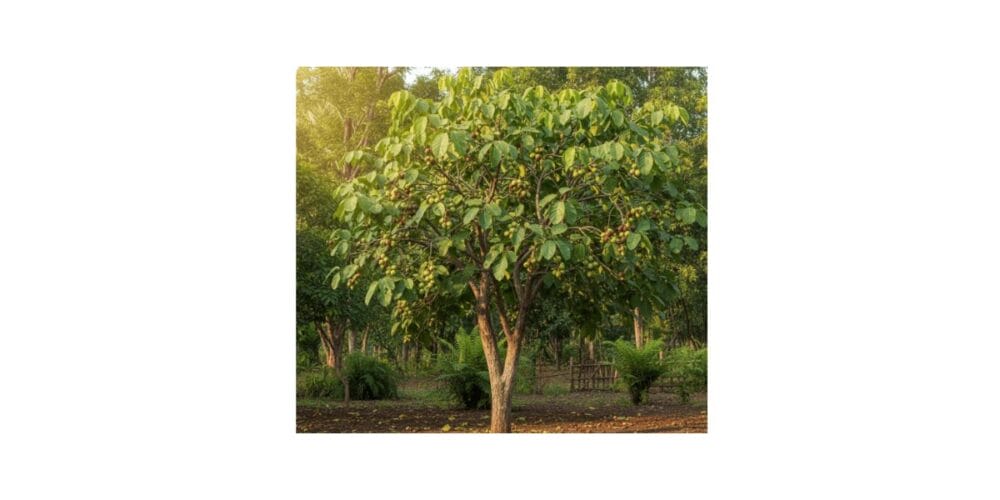
Charoli trees grow best in tropical and subtropical climates. Since many parts of India—including Odisha—offer suitable growing conditions, cultivating this tree can be a profitable agroforestry option.
- Temperature: Ideal range is 25°C to 40°C
- Rainfall: 600 to 1500 mm annually
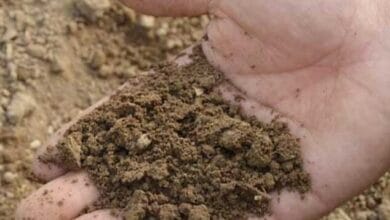
- Soil Type: Well-drained sandy loam or red soil
- Soil pH: 5.5 to 7.5
Avoid waterlogged soils, as excess moisture can damage the roots and reduce plant growth.
Propagation Method
Charoli is primarily propagated through seeds.
Seed Selection and Treatment:
- Choose healthy and mature seeds from fully ripened fruits.
- Soak seeds in water for 24 hours before sowing to improve germination.
- For better results, treat seeds with organic fungicide like Trichoderma.
Nursery Preparation:
- Sow seeds in polybags filled with a mixture of soil, sand, and farmyard manure (1:1:1).
- Keep the nursery in partial shade and water regularly.
- Germination usually takes 15 to 25 days.
Seedlings are ready for transplanting in 6 to 8 months.
Also Read: How to Grow Pine Nuts: Complete Guide from Planting to Harvest
Land Preparation and Planting
Prepare the main field during early monsoon for best establishment.
- Dig pits of 60 cm × 60 cm × 60 cm size.
- Maintain spacing of 8m × 8m between plants.
- Fill pits with topsoil mixed with 10–15 kg of well-decomposed FYM.
Transplanting:
Transplant healthy seedlings into the prepared pits at the onset of monsoon. Provide light irrigation immediately after planting.
Irrigation Management
Charoli is a drought-tolerant tree once established, but young plants require regular watering.
- First Year: Irrigate every 7–10 days.
- After Establishment: Water only during prolonged dry spells.
- Avoid overwatering to prevent root rot.
Mulching around the base helps retain soil moisture and suppress weed growth.
Nutrient Management
Apply organic manure annually for healthy growth and yield.
| Plant Age | FYM per Plant | NPK Dose per Plant |
| 1 Year | 5 kg | 50g:25g:25g |
| 2–3 Years | 10 kg | 100g:50g:50g |
| 4+ Years | 20 kg | 200g:100g:100g |
Apply fertilizers in two splits: before monsoon and after monsoon.
Training and Pruning
Proper pruning helps in better canopy formation and fruiting.
- Remove dead, diseased, or crossing branches annually.
- Maintain a single strong main stem during early growth.
- Prune after harvesting to stimulate new shoots.
Pest and Disease Management
Charoli trees are relatively resistant to pests and diseases. However, occasional issues may arise:
- Leaf-eating caterpillars: Spray neem oil solution.
- Fungal infections: Use Trichoderma or copper-based fungicides.
Maintaining field hygiene and proper spacing minimizes disease risk.
Also Read: How to Grow White Pepper: A Complete Cultivation Guide for High-Quality Spice Production
Flowering and Fruiting
Charoli trees begin flowering after 4 to 5 years of planting.
- Flowering Season: January to February
- Fruiting Season: April to May
Fruits are small drupes that turn black when mature.
Harvesting
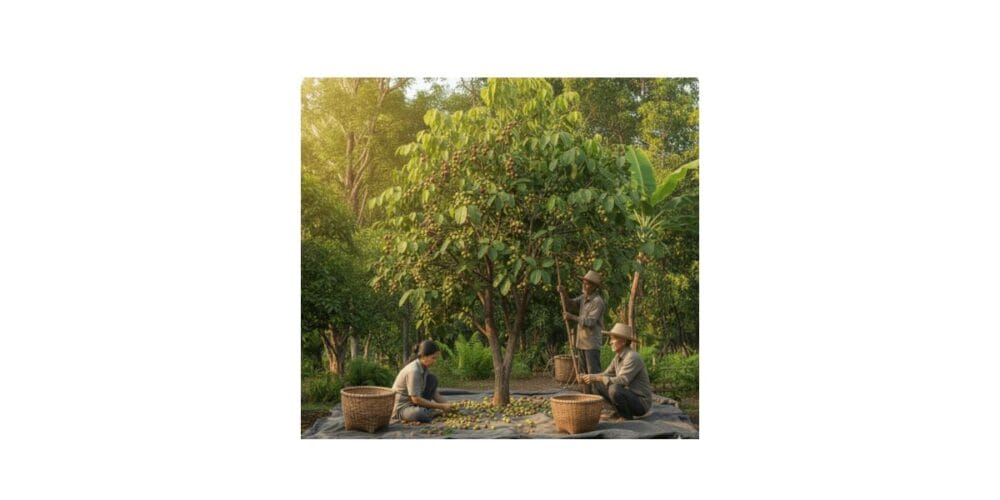
Harvest fruits once they are fully ripe.
- Collect fallen fruits from the ground.
- Dry them in sunlight for 2–3 days.
- Break the hard outer shell to extract the edible Charoli seeds.
Each mature tree can yield 8 to 10 kg of dried seeds annually under good management practices.
Benefits of Growing Charoli
- High market demand in sweet and cosmetic industries
- Suitable for dryland farming
- Low maintenance after establishment
- Long productive lifespan (up to 50 years)
- Can be integrated into agroforestry systems
FAQs
Q1. How long does it take for a Charoli tree to bear fruit?
It usually starts fruiting after 4–5 years of planting.
Q2. Can Charoli be grown in pots?
Due to its large size and deep root system, it is not suitable for container gardening.
Q3. What is the average lifespan of a Charoli tree?
A well-maintained tree can live and produce for over 40–50 years.
Also Read: How to Grow Cinnamon Sticks (Complete Cultivation Guide)
Final Thoughts
Growing Charoli can be a sustainable and profitable venture for farmers looking to diversify into dry fruit cultivation. With minimal care and suitable climatic conditions, this native tree can provide long-term economic and ecological benefits. By following proper planting, irrigation, and nutrient practices, you can ensure healthy growth and a steady yield of valuable Chironji seeds for years to come.
-

-

-
-
-
-
-

-

-
-
-
-

-
-

-
-
-

-
-

-

-
-
-
-
-
-
-
-
-

-
-
-
-
-
-
-
-
-

-
-
-

-

-
-

-

-

-
-
-
-