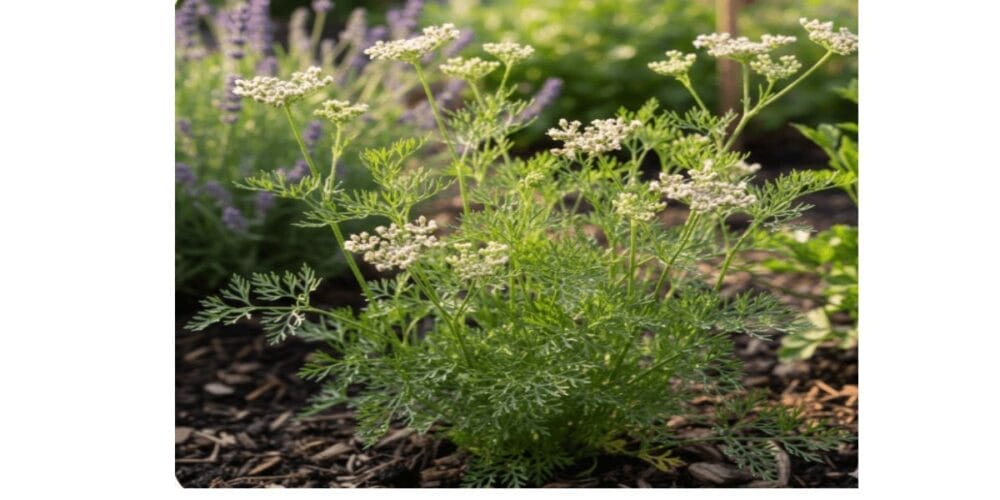
How to Grow Caraway
Caraway (Carum carvi) is a cool-season herb widely grown for its aromatic seeds used in spices, bakery products, and traditional medicine. It is a biennial plant, meaning it usually produces leaves in the first year and flowers and seeds in the second year. Caraway is relatively easy to grow if you provide cool weather, well-drained soil, and proper spacing. (Johnny’s Selected Seeds)
This guide explains how to grow caraway successfully—from soil preparation to harvesting.
Table of Contents
Introduction to Caraway Cultivation
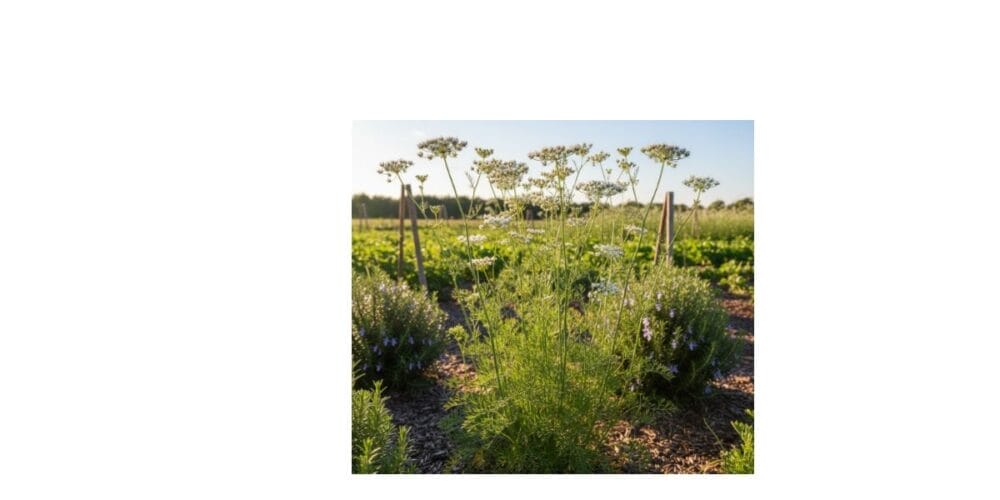
Caraway belongs to the Apiaceae family (same as carrot and fennel). It grows best in temperate climates with mild summers and cool springs. The plant prefers full sunlight and fertile, well-drained soil rich in organic matter.
The crop is valued because:
- Seeds are used in spices, bread, pickles, and medicine
- Leaves and roots are edible
- The plant supports pollinators and biodiversity
Caraway is grown in many regions worldwide, including parts of Asia and India.
Ideal Climate and Growing Conditions
Temperature
Caraway grows best in cool temperatures around 15–24°C. High temperatures above 27°C can reduce seed production and quality.
Sunlight
The plant needs 6–8 hours of sunlight daily for good flowering and seed formation.
Soil
- Best soil: Fertile, well-drained loamy or sandy loam soil
- Soil pH: 6.0–7.5
- Avoid waterlogged soils
Adding compost or organic manure improves growth and seed yield.
Land Preparation
Prepare the field by:
- Deep ploughing to loosen soil
- Adding compost or farmyard manure
- Removing weeds before sowing
Caraway forms a deep taproot, so loose soil is important for root development.
Also Read: How to Grow Bay Leaf (Complete Cultivation Guide)
Best Time to Plant Caraway
Spring Sowing
Sow seeds as soon as the soil can be worked after frost risk.
Autumn Sowing
In mild climates, autumn sowing is preferred for earlier harvest next year.
In Indian conditions, winter or early spring sowing works well in cooler regions.
Seed Sowing Method
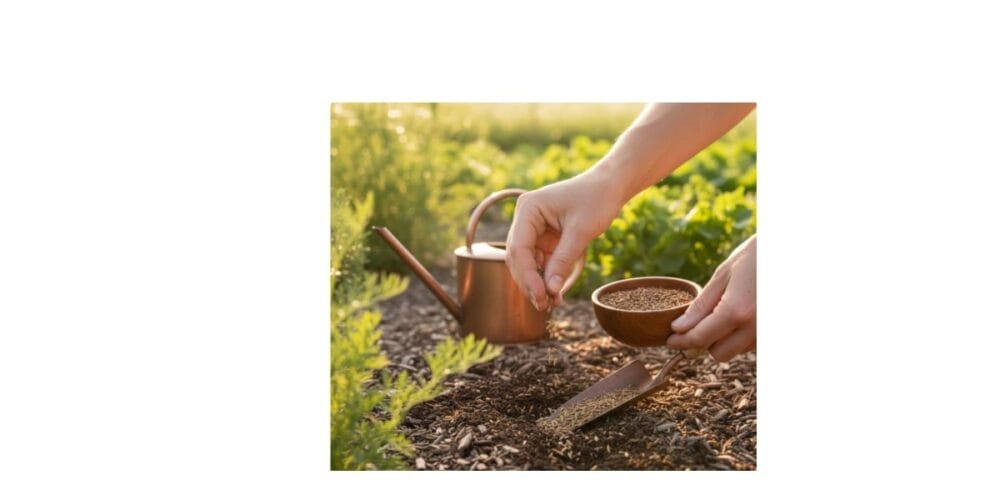
Direct Sowing (Recommended)
Caraway does not transplant well because of its long taproot, so direct seeding is best.
Sowing Details
- Depth: 0.5–1 cm
- Spacing: 20–30 cm between plants
- Row spacing: 45–60 cm
- Germination time: 8–14 days
Keep soil moist during germination.
Water and Nutrient Management
Watering
- Maintain uniform moisture during germination
- Avoid waterlogging
- Reduce watering after plant establishment
Moderate watering is ideal for healthy growth.
Fertilizer
Caraway generally needs low to moderate fertilizer:
- Apply compost or organic manure
- Light nitrogen application if soil is poor
Too much nitrogen can reduce seed production.
Also Read: How to Grow Curry Leaf (Complete Growing Guide)
Weed and Crop Management
Caraway seedlings grow slowly and do not compete well with weeds. Early weeding is essential.
Crop rotation is recommended. Avoid growing caraway repeatedly in the same field to reduce pest and nematode problems.
Pest and Disease Management
Caraway is generally hardy but can suffer from:
- Root rot (due to waterlogging)
- Fungal diseases in high humidity
Good drainage and crop rotation help prevent most problems.
Harvesting Caraway
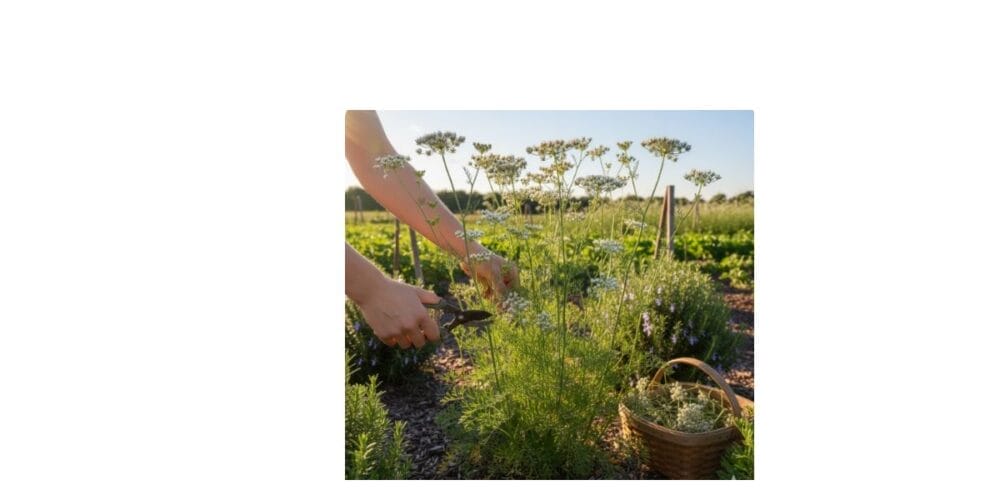
Leaves
Harvest leaves in the first year when plants are about 15 cm tall.
Seeds
Seeds are ready:
- In the second year
- About 4–6 weeks after flowering
Harvest seed heads when they start turning brown to avoid seed loss.
Dry seeds properly before storage.
Yield and Uses
Caraway seeds are used in:
- Bakery products (bread, biscuits)
- Pickles and spice blends
- Traditional herbal medicines
The roots and leaves are also edible and nutritious.
Also Read: How to Grow Poppy Seeds: A Complete Beginner to Pro Guide
Common Mistakes to Avoid
Overwatering
Growing in heavy clay soil without drainage
Excess nitrogen fertilizer
Late harvesting (causes seed loss)
FAQs
Is caraway annual or biennial?
Mostly biennial, producing seeds in the second year.
Can caraway grow in warm climates?
Yes, but it prefers cool seasons and mild summers.
How long does caraway take to produce seeds?
Usually 2 years after planting.
Final Thoughts
Caraway is a low-maintenance but highly valuable spice crop. With proper soil preparation, cool climate management, and timely harvesting, farmers and gardeners can achieve good yields. Since the crop requires patience (two-year cycle), planning and proper field management are essential for success.
If you provide full sun, well-drained fertile soil, and moderate moisture, caraway can become a profitable and sustainable herb crop.
Also Read: About How to Grow Caraway on https://gardenerspath.com/plants/herbs/grow-caraway/ Site
-

-

-

-

-

-

-

-

-

-

-

-

-

-

-

-

-

-

-

-

-
-

-

-
-
-

-
-

-

-

-

-

-
-

-

-

-

-

-
-

-

-

-

-

-

-

-

-

-
-