How to Grow Black Cardamom
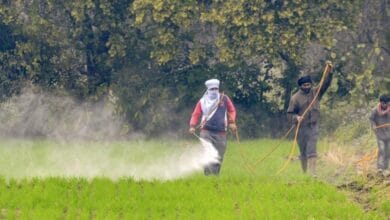
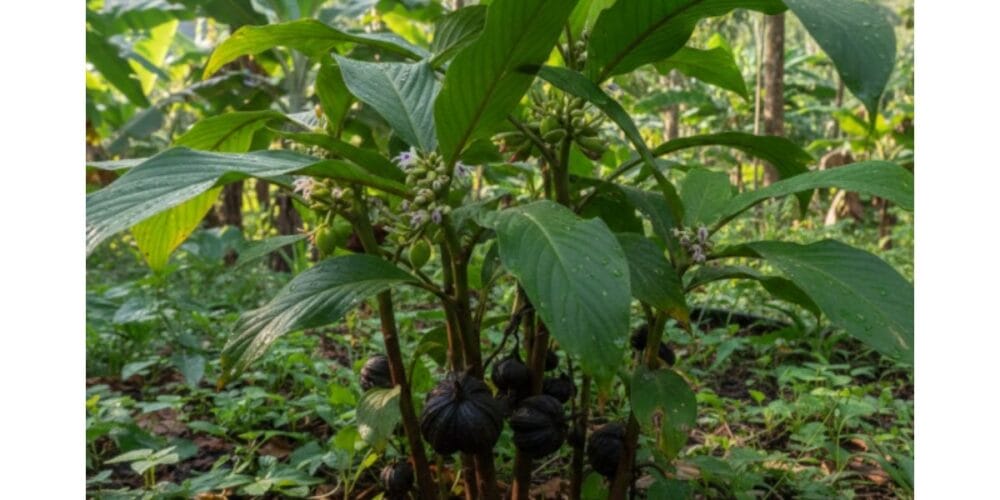
Black Cardamom, popularly known as the “Queen of Spices,” is one of the most valuable and profitable spice crops grown in India. Scientifically called Amomum subulatum, this perennial herb is widely used in culinary dishes, traditional medicines, and spice blends. Due to its high market demand and excellent export potential, cultivating Black Cardamom can be a rewarding venture for farmers—especially in suitable agro-climatic regions.
As you’re already creating SEO-focused agriculture blogs around crop-specific nutrient management, this guide will help you present Black Cardamom cultivation in a practical, farmer-friendly format with scope to integrate micronutrient recommendations later.
Table of Contents
Ideal Climate and Soil Requirements
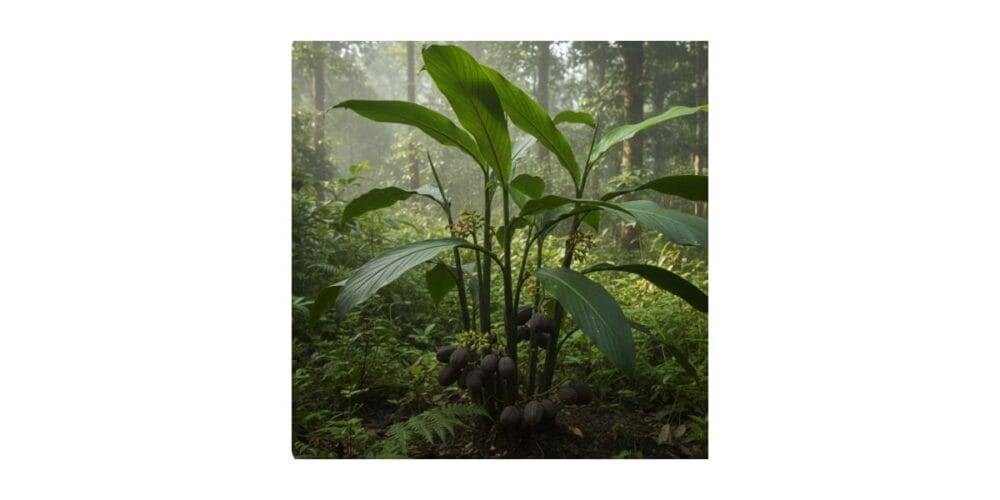
Black Cardamom thrives best in cool and humid climates with well-distributed rainfall. The crop prefers:
- Temperature: 10°C to 30°C
- Annual Rainfall: 1500–2500 mm
- Altitude: 800 to 2000 meters above sea level
- Shade: Partial shade conditions are essential for optimum growth
The ideal soil for growing Black Cardamom is:
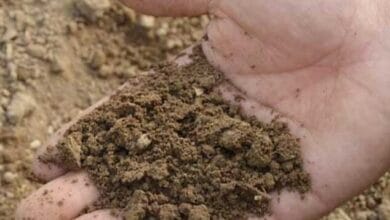
- Loamy soil rich in organic matter
- Well-drained with good moisture retention
- Soil pH between 5.0 and 6.5
Avoid waterlogged or heavy clay soils, as they can lead to root rot and reduced yield.
Land Preparation
Proper land preparation ensures healthy root development and better plant establishment. Follow these steps:
- Clear the land of weeds and debris.
- Dig pits of size 45 cm × 45 cm × 30 cm at spacing of 1.5 m × 1.5 m.
- Fill the pits with a mixture of topsoil and well-decomposed Farmyard Manure (FYM).
- Provide shade by planting suitable shade trees if natural shade is unavailable.
Maintaining soil organic matter is crucial—this is where your micronutrient blog expertise can later highlight chelated nutrient applications for improved rhizome vigor.
Also Read: How to Grow Charoli (Chironji) Tree: Complete Cultivation Guide from Seed to Harvest
Propagation Method
Black Cardamom is generally propagated through:
- Rhizomes (vegetative propagation) – Most common method
- Seeds – Rarely used due to genetic variability
Healthy rhizomes with at least one mature bud should be selected from disease-free plants for planting. Rhizome propagation ensures uniform growth and early yield compared to seed propagation.
Planting Time and Spacing
The best time for planting Black Cardamom is during the monsoon season, typically from June to August. Adequate soil moisture during this period helps in proper establishment of rhizomes.
- Spacing: 1.5 m × 1.5 m
- Plant density: Approximately 4,400 plants per hectare
After planting, cover the rhizomes with soil and mulch with dry leaves to conserve moisture.
Nutrient Management
Balanced fertilization is essential for achieving high yields. The recommended nutrient dose per hectare is:
- Nitrogen (N): 80 kg
- Phosphorus (P₂O₅): 40 kg
- Potassium (K₂O): 40 kg
Apply FYM at the rate of 5–10 tons per hectare during land preparation. Split application of chemical fertilizers in two doses—once during early growth and again after flowering—can improve productivity.
Foliar application of micronutrients such as Zinc (Zn), Boron (B), and Magnesium (Mg) enhances capsule development and overall plant health—perfect angle for your chelated micronutrient content strategy.
Irrigation Practices
Black Cardamom requires consistent soil moisture for healthy growth. Irrigation should be done:
- Immediately after planting
- During dry spells
- At flowering and capsule formation stages
Drip irrigation is highly recommended to maintain soil moisture without causing waterlogging.
Weed Management
Regular weeding is necessary to reduce competition for nutrients and moisture. Mulching with organic materials like straw or dry leaves helps:
- Control weeds
- Retain soil moisture
- Improve soil fertility
Two to three manual weedings per year are usually sufficient.
Pest and Disease Management
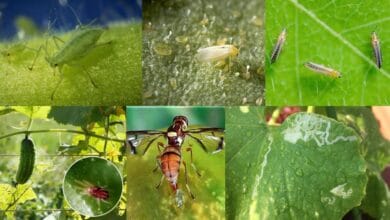
Some common pests affecting Black Cardamom include:
- Shoot borers
- Aphids
- Thrips
Diseases such as:
- Rhizome rot
- Leaf blight
can significantly impact yield.
Use organic fungicides or recommended pesticides when necessary. Maintaining field hygiene and proper drainage can prevent most disease outbreaks.
Also Read: How to Grow White Pepper: A Complete Cultivation Guide for High-Quality Spice Production
Harvesting

Black Cardamom plants start yielding from the third year onwards. The capsules are harvested when they mature but are still unripe.
- Harvesting season: October to December
- Average yield: 200–300 kg per hectare
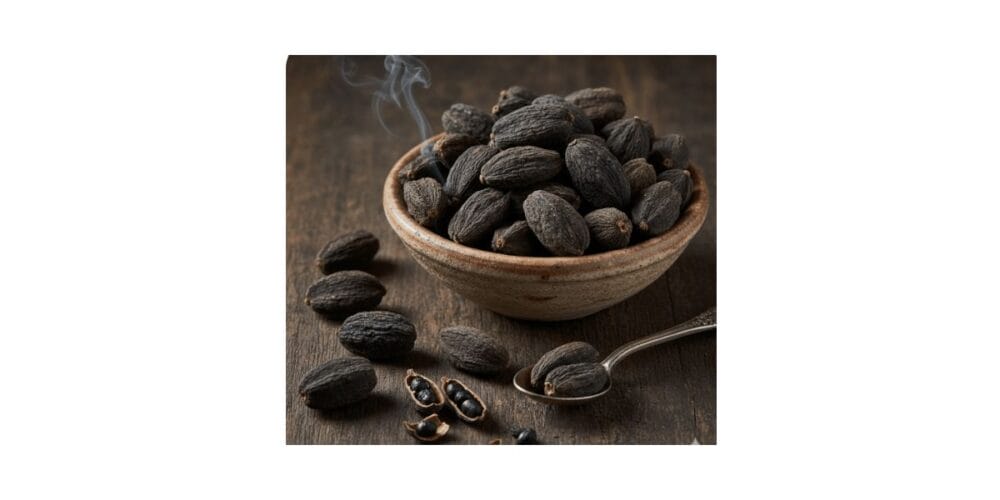
After harvesting, the capsules are dried over a traditional curing furnace to develop the characteristic smoky flavor.
Benefits of Growing Black Cardamom
- High market demand
- Long economic lifespan (10–15 years)
- Suitable for intercropping systems
- Enhances farm income
- Good export potential
Alternate Crops for Similar Climatic Conditions
Farmers can also consider cultivating:
- Ginger
- Turmeric
- Large Cardamom
- Black Pepper
depending on market demand and farm conditions.
FAQs
Q1. How long does Black Cardamom take to grow?
It takes about 3 years for the plants to start yielding capsules.
Q2. Can Black Cardamom be grown in plains?
It grows best in hilly regions with cool and humid climates.
Q3. Is shade necessary for Black Cardamom cultivation?
Yes, partial shade is essential for proper growth and yield.
Also Read: How to Grow Pine Nuts: Complete Guide from Planting to Harvest
Final Opinion
Black Cardamom cultivation is a profitable and sustainable farming option for growers in suitable climates. With proper nutrient management, irrigation, and pest control, farmers can achieve high yields and consistent income from this valuable spice crop. Integrating organic manure and micronutrient fertilizers can further improve capsule quality and productivity—an approach well aligned with modern plant nutrition practices you’re already educating your readers about.
If you’d like, I can also add a crop-specific micronutrient spray schedule for Black Cardamom to match your usual blog format.
Also Read: About How to Grow Black Cardamom on https://www.thespruce.com/cardamom-plant-profile-5185720 Site
-
-
-
-

-

-

-
-
-
-
-
-

-
-
-
-
-

-

-
-
-
-
-
-
-
-
-
-
-
-
-
-
-
-
-
-

-
-
-

-

-
-

-
-

-

-
-
-
-

-