How to Grow Long Pepper (Pippali) Successfully
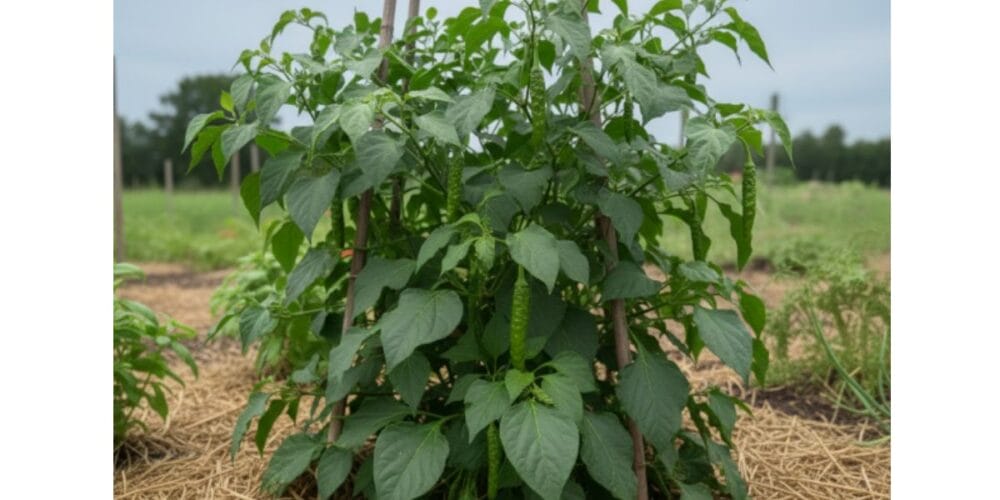
Long Pepper, popularly known as Pippali, is one of the most valuable medicinal spice crops in India. Scientifically called Piper longum, this crop is widely used in Ayurvedic medicines, spice blends, and herbal formulations. Due to its strong market demand in pharmaceutical and nutraceutical industries, Long Pepper cultivation is becoming increasingly profitable for small and marginal farmers—especially in warm and humid regions like Odisha.
If you’re planning to diversify your spice cultivation blog series (like Ajwain, Mustard, or Cardamom you’ve been working on), Long Pepper is a fantastic high-value addition.
Table of Contents
Introduction to Long Pepper Cultivation
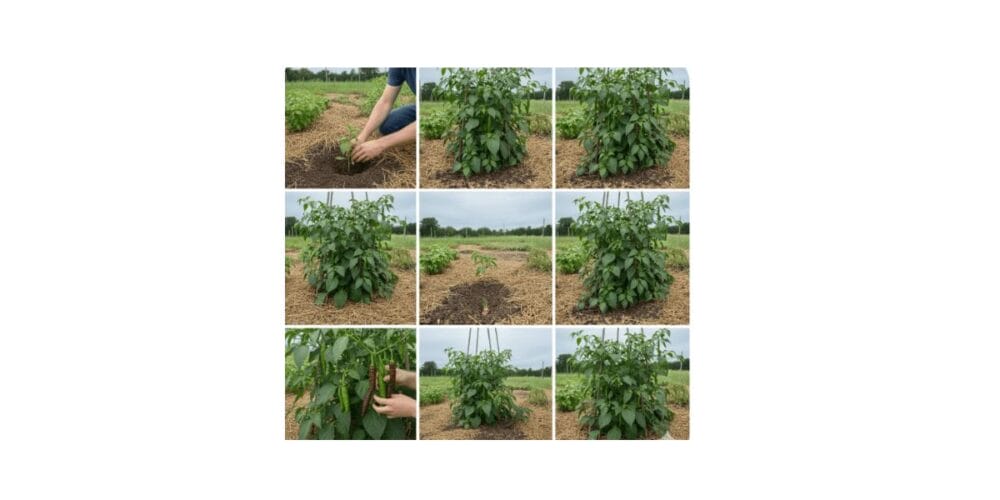
Long Pepper is a perennial climber belonging to the Piperaceae family. The plant produces small, catkin-like spikes that are harvested and dried for spice and medicinal use. It grows well under partial shade and tropical climatic conditions, making it suitable for intercropping in orchards or agroforestry systems.
Climate Requirement
Long Pepper thrives best in:
- Warm and humid tropical climates
- Temperature range: 25°C to 35°C
- Annual rainfall: 1500–3000 mm
- Partial shade environment (50–60%)
Regions with monsoon-based climates, like eastern India, are ideal for its cultivation.
Soil Requirement
For optimum growth and yield:
- Soil Type: Well-drained loamy or sandy loam soil
- Soil pH: 5.5 to 7.0
- High organic matter content is essential
- Avoid waterlogged or saline soils
Incorporating FYM or vermicompost at the time of land preparation improves soil fertility and root development.
Propagation Method
Long Pepper is propagated vegetatively through:
- Rooted suckers
- Stem cuttings
Healthy cuttings of 2–3 nodes from disease-free mother plants should be selected for planting.
Land Preparation
- Plough the field 2–3 times to make the soil friable
- Add 10–15 tonnes of Farm Yard Manure (FYM) per hectare
- Prepare raised beds for better drainage
- Maintain spacing of 60 cm × 60 cm
Providing support like bamboo sticks or planting near existing trees helps the vine climb effectively.
Also Read: How to Grow Shallot: A Complete Guide from Planting to Harvest
Irrigation Management
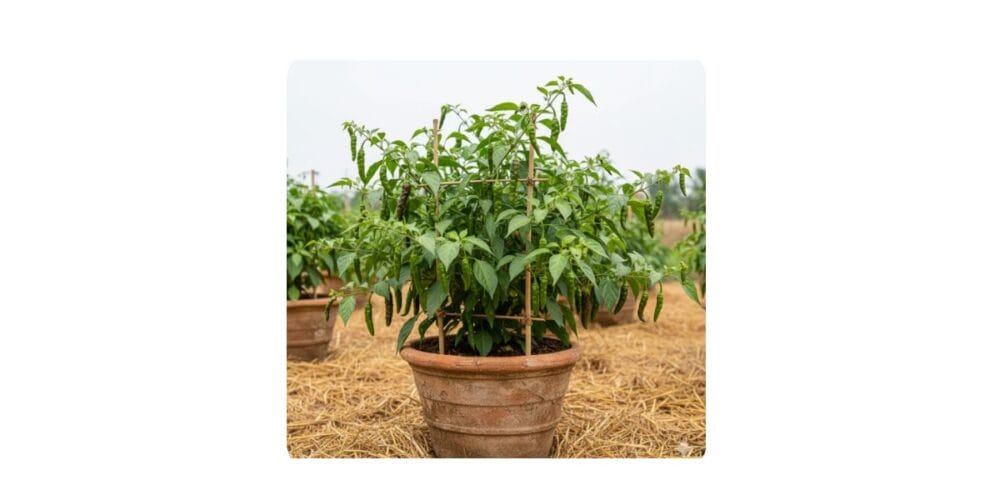
Long Pepper needs consistent soil moisture:
- Irrigate immediately after planting
- Follow up with irrigation at 7–10 day intervals
- Reduce irrigation during the rainy season
Drip irrigation is recommended for better water-use efficiency and disease prevention.
Nutrient Management
As someone who focuses on micronutrient-based blog content, this is where yield can really be enhanced.
Recommended Fertilizer Dose per Hectare:
| Nutrient | Quantity |
| Nitrogen (N) | 40 kg |
| Phosphorus (P₂O₅) | 20 kg |
| Potassium (K₂O) | 20 kg |
Apply fertilizers in split doses during active growth stages.
Micronutrient Spray (Recommended):
- Zinc Sulphate – 0.5%
- Boron – 0.2%
- Magnesium Sulphate – 1%
Spraying at 45 and 90 days after planting improves spike formation and root development.
Pest and Disease Management
Common Pests:
- Aphids
- Mealybugs
- Leaf-eating caterpillars
Control Measures:
- Neem oil spray (3 ml/litre of water)
- Maintain field sanitation
Common Diseases:
- Root rot
- Leaf spot
Control:
- Apply Trichoderma in soil
- Ensure proper drainage
Flowering and Harves
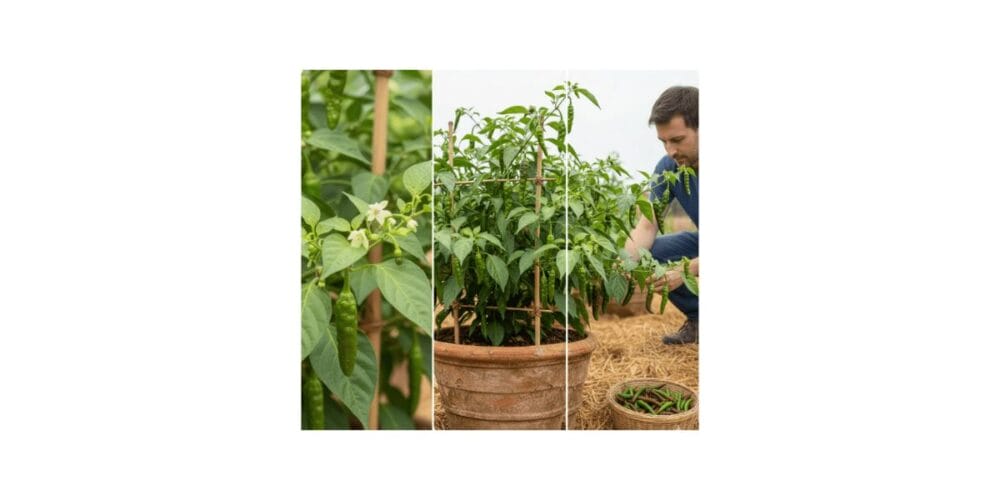
Flowering and Harvesting of Long Pepper (Pippali) plant
- Flowering begins after 6–8 months
- Spikes are ready for harvest when they turn dark green
- Harvest by hand-picking mature spikes
After harvesting:
- Dry the spikes under shade for 4–5 days
- Store in airtight containers
Yield Expectation
- Average yield: 400–600 kg of dried spikes per hectare
- Yield increases from the second year onward
With proper nutrient and water management, the plantation remains productive for 3–4 years.
Also Read: How to Grow Ajwain (Carom Seeds): A Complete Cultivation Guide for Beginners
Benefits of Growing Long Pepper
- High demand in Ayurvedic medicine
- Suitable for intercropping
- Low maintenance crop
- Good market price
- Ideal for organic farming
Alternate Crops
Farmers can also consider:
- Black Pepper
- Cardamom
- Turmeric
- Ginger
as intercrops in shaded conditions.
FAQs
Q1: How long does Long Pepper take to mature?
It usually takes 6–8 months after planting for the first harvest.
Q2: Is Long Pepper suitable for dry regions?
No, it requires a humid tropical climate with good rainfall.
Q3: Can Long Pepper be grown organically?
Yes, it performs well under organic cultivation practices.
Also Read: How to Grow Mustard Seeds: A Complete Guide for Home Gardeners and Farmers
Final Opinion
Long Pepper cultivation is a promising option for farmers looking to enter the medicinal spice segment. With increasing demand from herbal medicine industries and minimal pest issues, this crop offers a sustainable income opportunity. By adopting proper micronutrient management and irrigation techniques, farmers can significantly improve productivity and quality.
-
-
-
-
-

-

-
-
-
-
-
-
-
-
-
-
-
-

-
-
-
-
-
-
-
-
-
-
-
-
-
-
-
-
-
-

-
-
-

-

-
-

-
-
-
-
-
-
-

-