How to Grow Sichuan Pepper
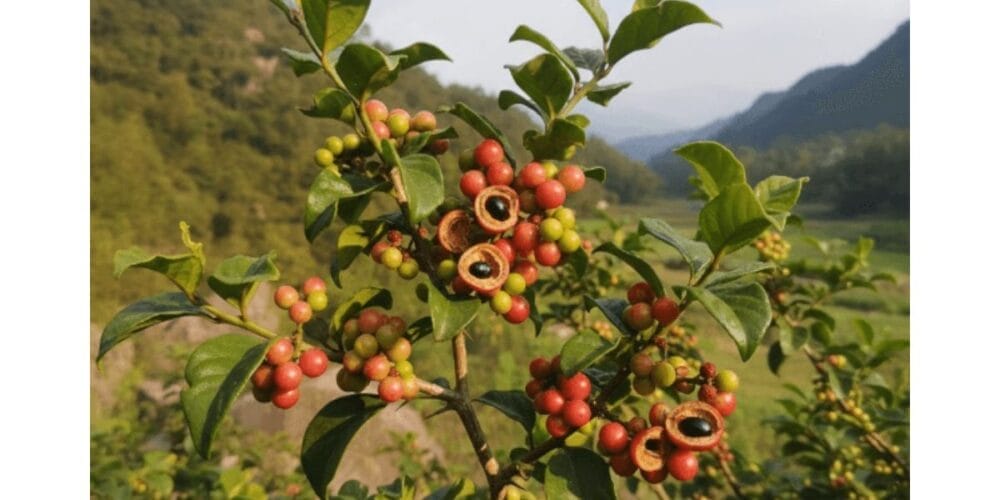
Sichuan pepper is an exotic and aromatic spice known for its unique numbing flavor. Widely used in Asian cuisine, especially in Chinese dishes, this spice is gaining popularity among farmers and home gardeners due to its high market value and increasing demand. Scientifically known as Zanthoxylum simulans, Sichuan pepper belongs to the citrus family and produces small reddish husks that are dried and used as spice.
If you are planning to grow this profitable spice crop, this complete cultivation guide will help you understand climate requirements, soil preparation, planting methods, nutrient management, harvesting, and marketing tips.
Table of Contents
Introduction to Sichuan Pepper Plant
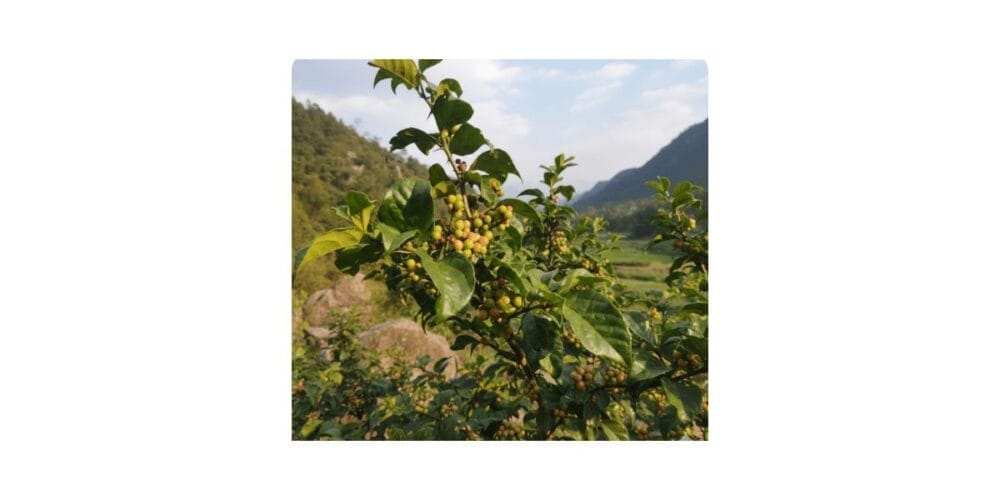
Sichuan pepper is native to China and is widely cultivated in the Sichuan province. The plant is a deciduous shrub or small tree that grows 10–20 feet tall. It produces thorny branches and clusters of small red fruits. Unlike black pepper, Sichuan pepper does not belong to the Piper family but gives a citrusy, tingling sensation due to the presence of hydroxy-alpha-sanshool compound.
Climate Requirements
Sichuan pepper grows best in:
- Temperate to subtropical climate
- Temperature range: 10°C to 30°C
- Moderate rainfall (600–1,200 mm annually)
- Full sunlight for better fruit production
The plant can tolerate mild frost but does not perform well in extremely hot and humid tropical regions. Well-drained locations with good air circulation are ideal.
Soil Requirements
For best growth and yield, Sichuan pepper requires:
- Well-drained sandy loam or loamy soil
- Soil pH between 5.5 to 7.5
- Rich in organic matter
Avoid waterlogged soil, as excess moisture may cause root rot. Before planting, incorporate 8–10 tons of well-decomposed farmyard manure per acre to improve soil fertility and structure.
Propagation Methods
Sichuan pepper can be propagated through:
1. Seeds
- Collect ripe red fruits and dry them.
- Remove seeds and soak in water for 24 hours before sowing.
- Sow in nursery beds during spring.
- Germination takes 20–30 days.
2. Cuttings
- Semi-hardwood cuttings from healthy plants ensure faster establishment.
- Use rooting hormones for better success rate.
Seed propagation is common, but cuttings produce earlier yield.
Also Read: How to Grow Indian Madder (Manjistha) – A Complete Cultivation Guide
Planting Method and Spacing
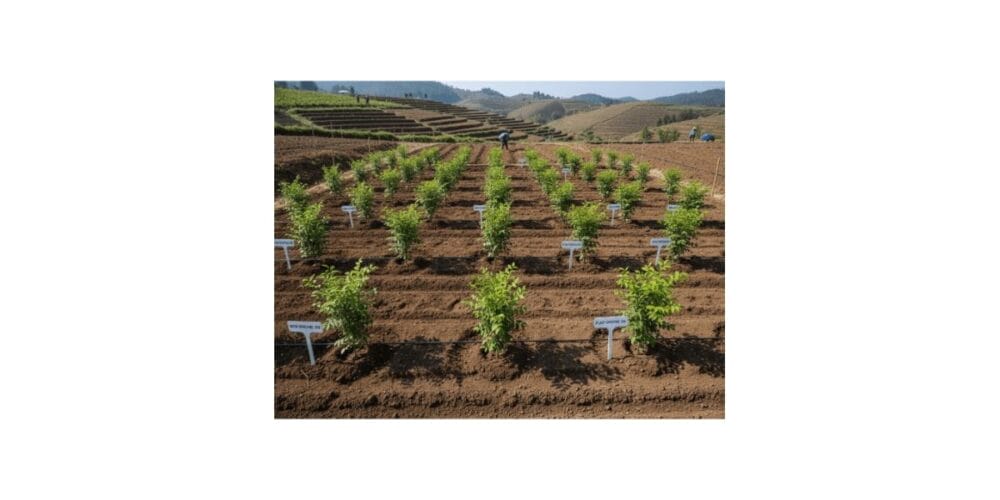
- Transplant seedlings when they are 6–8 inches tall.
- Maintain spacing of 3m × 3m for commercial cultivation.
- Plant during early monsoon or spring season.
Proper spacing ensures adequate sunlight penetration and air movement, reducing pest and disease problems.
Nutrient Management
For healthy growth and better fruiting:
- Apply 10–15 kg FYM per plant annually
- Recommended fertilizer dose per plant:
- Nitrogen (N): 100–150 g
- Phosphorus (P₂O₅): 50–75 g
- Potassium (K₂O): 50–75 g
Split nitrogen into two doses — one before flowering and one after fruit set.
Micronutrient Importance
Zinc and boron play a crucial role in flowering and fruit development. Foliar spray of micronutrients during pre-flowering stage improves yield and fruit quality.
Irrigation Management
- Provide light irrigation after transplanting.
- Water regularly during flowering and fruit development stages.
- Avoid excessive irrigation.
Drip irrigation is highly recommended for efficient water use and better nutrient absorption.
Pruning and Training
Regular pruning helps:
- Maintain plant shape
- Remove diseased and weak branches
- Improve air circulation
- Increase fruit production
Prune during dormant season (late winter). Remove crossing branches and maintain open canopy structure.
Pest and Disease Management
Common pests include:
- Aphids
- Leaf miners
- Fruit borers
Control measures:
- Neem oil spray (3–5 ml per liter water)
- Sticky traps for monitoring
- Maintain field hygiene
Common diseases:
- Root rot
- Leaf spot
Ensure proper drainage and apply recommended fungicides if needed.
Also Read: How to Grow Long Pepper (Pippali) Successfully: A Complete Cultivation Guide for Farmers
Flowering and Fruiting
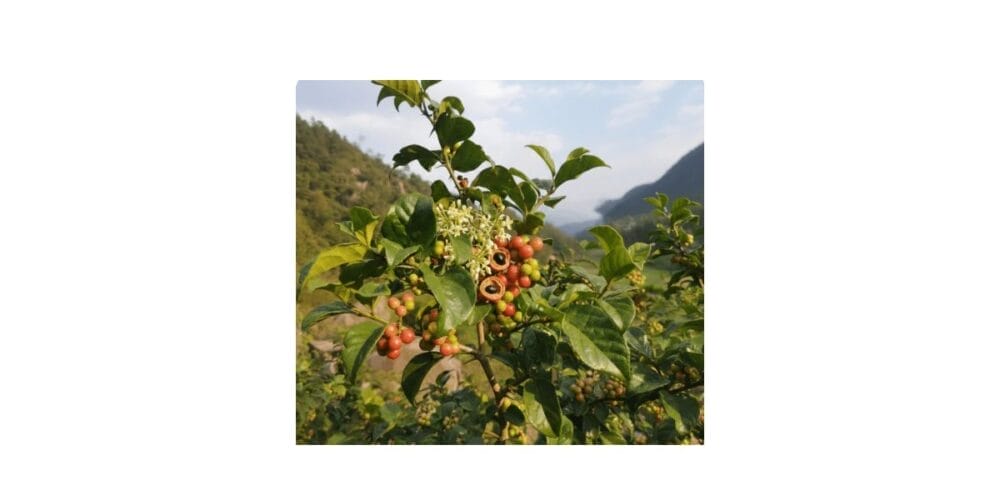
- Flowering begins 2–3 years after planting.
- Fruits mature in late summer to early autumn.
- The red husks split open when ripe.
Harvest when fruits turn bright red but before they fall off.
Harvesting and Processing
- Handpick fruit clusters carefully.
- Dry in shade for 4–5 days.
- Separate seeds from husks.
- Store dried husks in airtight containers.
Proper drying preserves aroma and tingling flavor.
Yield and Economic Potential
- Average yield: 2–4 kg dried husk per plant annually
- Commercial plantations can yield 1–1.5 tons per hectare.
- High export demand ensures good profitability.
Sichuan pepper farming can become a lucrative agribusiness with proper management practices.
Benefits of Growing Sichuan Pepper
- High market value spice
- Long productive life (15–20 years)
- Low maintenance after establishment
- Suitable for agroforestry systems
- Medicinal and culinary demand
Alternate Related Crops
If you are interested in similar spice crops, you may also consider:
- Zanthoxylum armatum (Indian Sichuan pepper)
- Piper nigrum (Black pepper)
- Capsicum annuum (Chili)
These crops also offer strong market demand and export opportunities.
Also Read: How to Grow Shallot: A Complete Guide from Planting to Harvest
Frequently Asked Questions (FAQs)
Q1: How long does Sichuan pepper take to produce fruits?
It starts fruiting within 2–3 years after planting.
Q2: Can Sichuan pepper grow in India?
Yes, it can grow in temperate and subtropical regions like Himachal Pradesh, Uttarakhand, and Northeast India.
Q3: Is Sichuan pepper same as black pepper?
No, Sichuan pepper belongs to the citrus family, while black pepper belongs to the Piperaceae family.
Q4: What is the lifespan of a Sichuan pepper plant?
It can remain productive for 15–20 years with proper care.
Final Opinion
Sichuan pepper cultivation is an excellent opportunity for farmers looking to diversify into high-value spice crops. With moderate climate requirements, manageable nutrient needs, and strong export demand, this crop offers long-term profitability. By following proper planting, nutrient management, irrigation, and pest control practices, you can achieve high yield and premium-quality produce.
-

-

-

-

-

-

-

-

-

-

-

-

-

-

-

-

-

-

-

-

-
-
-

-

-

-

-

-

-

-

-

-

-
-

-

-

-

-

-
-

-

-

-

-

-

-

-

-

-

-