How to Grow Indian Madder (Manjistha)
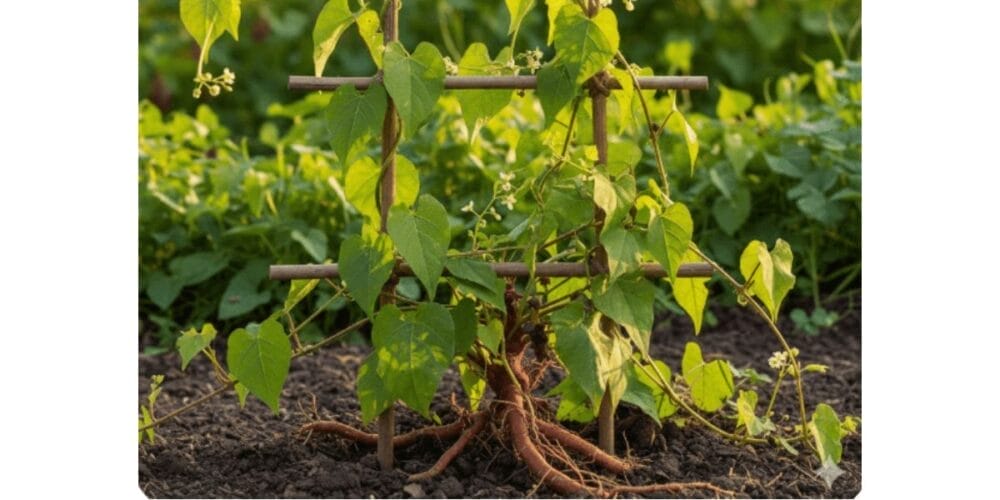
Indian Madder, commonly known as Manjistha, is one of the most valuable medicinal climbing herbs widely used in traditional Ayurvedic medicine. Botanically called Rubia cordifolia, this perennial plant is famous for its red roots, which are used as a natural dye and herbal remedy. Cultivating Indian Madder can be a profitable venture for farmers interested in medicinal plant farming due to its high demand in the herbal and pharmaceutical industries.
In this guide, you will learn everything about how to grow Indian Madder successfully—from soil preparation to harvesting.
Table of Contents
Introduction to Indian Madder
Indian Madder is a climbing or creeping perennial herb belonging to the Rubiaceae family. It grows naturally in hilly tropical and subtropical regions across India and is extensively used in Ayurveda for blood purification, skin disorders, and anti-inflammatory treatments.
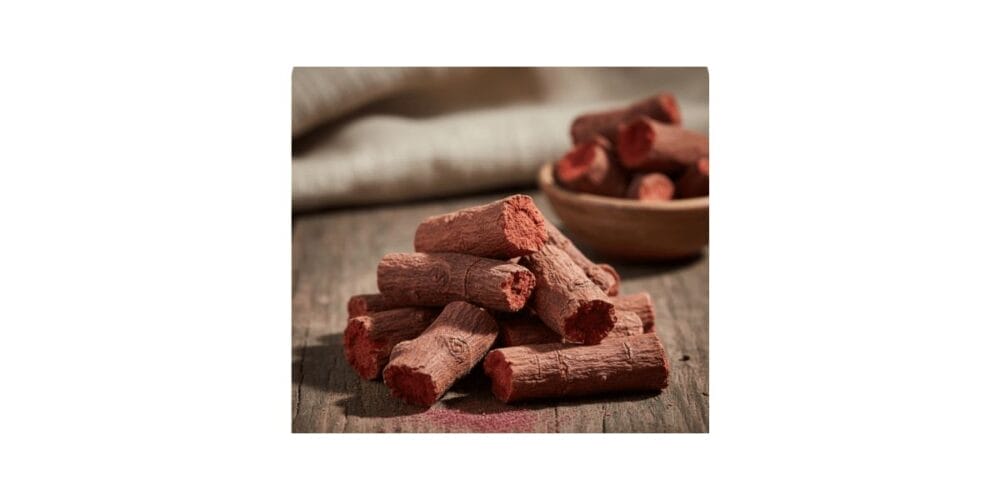
The roots of this plant are rich in natural red pigments and medicinal compounds, making them valuable for both herbal medicine and natural dye production.
Climate Requirements for Indian Madder Cultivation
Indian Madder thrives best in warm and humid climates. It prefers:
- Temperature range: 20°C to 35°C
- Annual rainfall: 800–1500 mm
- Altitude: Up to 1500 meters above sea level
Partial shade is ideal for its growth, as excessive sunlight can reduce root quality. The plant grows well under agroforestry systems or along fences where it can climb naturally.
Soil Requirements
For optimal growth, Indian Madder requires:
- Well-drained sandy loam or loamy soil
- Soil pH between 6.0 and 7.5
- High organic matter content
Avoid heavy clay or waterlogged soils as they may cause root rot and reduce yield.
Also Read: How to Grow Long Pepper (Pippali) Successfully: A Complete Cultivation Guide for Farmers
Land Preparation
Prepare the land by ploughing 2–3 times to achieve a fine tilth. Incorporate well-decomposed farmyard manure (FYM) at the rate of 8–10 tons per acre during the final ploughing. Raised beds or ridges are recommended to improve drainage.
Propagation Methods
Indian Madder can be propagated by:
1. Seed Propagation
- Soak seeds in water for 24 hours before sowing.
- Sow seeds in nursery beds during early monsoon.
- Transplant seedlings after 4–6 weeks.
2. Root Cuttings
Root cuttings are the most commonly used method as they ensure faster and uniform growth.
- Select healthy roots from mature plants.
- Cut into 5–7 cm pieces.
- Plant them directly in the field at a depth of 2–3 cm.
Planting and Spacing

Maintain appropriate spacing to ensure healthy root development:
- Row-to-row spacing: 45–60 cm
- Plant-to-plant spacing: 30–45 cm
Planting is best done at the beginning of the monsoon season to ensure adequate moisture for establishment.
Irrigation Management
Indian Madder is moderately drought-tolerant but requires irrigation during dry periods.
- Irrigate immediately after planting.
- Provide irrigation at 10–15 day intervals during summer.
- Avoid overwatering to prevent fungal infections.
Nutrient Management
Apply organic fertilizers for better root yield:
- FYM: 8–10 tons per acre (basal dose)
- Vermicompost: 2 tons per acre
- Neem cake: 200 kg per acre
Biofertilizers like Azospirillum and Phosphate Solubilizing Bacteria (PSB) can also enhance nutrient uptake and root growth.
Also Read: How to Grow Shallot: A Complete Guide from Planting to Harvest
Weed Management
Weed competition can significantly affect plant growth in the early stages.
- Perform manual weeding every 30–40 days.
- Mulching with organic materials helps suppress weeds and retain soil moisture.
Pest and Disease Management
Indian Madder is relatively resistant to pests and diseases. However, occasional problems include:
- Leaf spot
- Root rot
- Aphids
Control measures:
- Use neem oil spray (5 ml per liter of water).
- Ensure proper drainage to prevent fungal diseases.
Harvesting of Indian Madder Roots

Indian Madder is usually ready for harvest 18–24 months after planting.
- Harvest when the plant starts drying naturally.
- Carefully uproot plants to avoid root damage.
- Wash and cut roots into small pieces.
- Dry them in shade for 8–10 days.
Well-dried roots can be stored for long periods without losing quality.
Yield
Under proper cultivation practices, farmers can expect:
- Fresh root yield: 3–5 tons per acre
- Dry root yield: 1–1.5 tons per acre
Benefits of Indian Madder Cultivation
- High demand in herbal medicine industries
- Used as a natural dye in textiles
- Improves soil health in intercropping systems
- Long shelf life of dried roots
- Profitable medicinal crop for small farmers
Frequently Asked Questions (FAQs)
Q1: Is Indian Madder suitable for organic farming?
Yes, it grows well under organic cultivation with proper nutrient management.
Q2: Can Indian Madder be grown in pots?
Yes, but commercial cultivation requires open field conditions for better root development.
Q3: How long does Indian Madder take to mature?
Approximately 18 to 24 months.
Also Read: How to Grow Ajwain (Carom Seeds): A Complete Cultivation Guide for Beginners
Final Thoughts
Indian Madder cultivation offers an excellent opportunity for farmers looking to diversify into medicinal plant farming. With minimal pest issues and increasing market demand, growing Rubia cordifolia can provide sustainable income while contributing to the herbal industry.
By following the right agronomic practices outlined in this guide, you can achieve healthy root yield and maximize profits from Indian Madder farming.
-

-

-

-

-

-

-

-

-

-

-

-

-

-

-

-

-
-

-
-

-
-
-
-
-
-
-
-
-
-

-
-
-
-

-
-

-
-

-
-

-

-

-
-

-

-

-

-

-
-