How to Grow Sesame Seeds (Til)
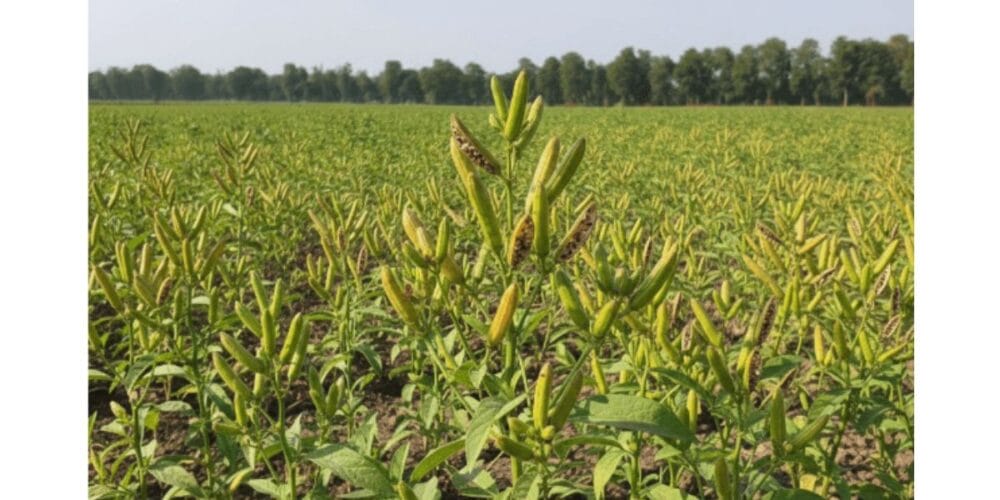
Sesame, popularly known as Til and scientifically called Sesamum indicum, is one of the oldest oilseed crops cultivated in India. It is widely valued for its high oil content (around 50%) and rich nutritional profile. Due to its drought tolerance and low input requirement, sesame is an ideal crop for small and marginal farmers, especially in rainfed regions like Odisha.
If you are planning to cultivate sesame seeds for better profitability, this step-by-step guide will help you understand the best agronomic practices for achieving high yield and quality produce.
Climate and Soil Requirements for Sesame Cultivation
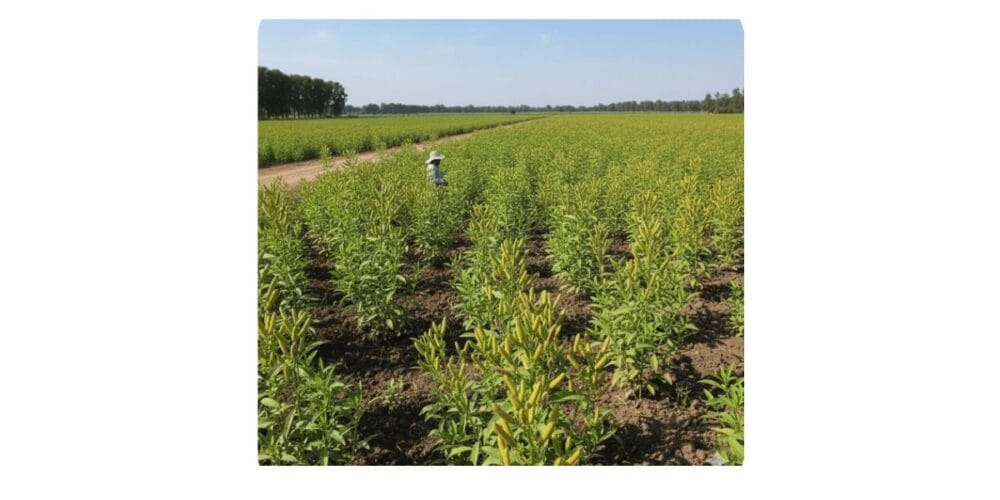
Sesame is a warm-season crop that grows best in tropical and subtropical climates.
- Temperature: Ideal temperature range is 25°C to 35°C
- Rainfall: Requires moderate rainfall (500–650 mm)
- Sunlight: Needs bright sunlight for optimum growth
- Soil Type: Well-drained sandy loam or loamy soil
- Soil pH: 5.5 to 8.0
Avoid waterlogged or highly saline soils, as sesame is very sensitive to excess moisture and poor drainage conditions.
Best Season for Sesame Farming in India
Sesame can be cultivated in different seasons depending on the region:
- Kharif Season: June to July (Rainfed crop)
- Rabi Season: October to November (Irrigated crop)
- Summer Season: February to March
In eastern states like Odisha, Kharif sesame cultivation is most common due to favorable rainfall patterns.
Land Preparation
Proper land preparation is essential for good germination and plant establishment.
- Plough the field 2–3 times to obtain fine tilth
- Remove weeds, stones, and previous crop residues
- Add 5–6 tons of well-decomposed Farmyard Manure (FYM) per hectare during the last ploughing
- Level the land properly to ensure uniform water distribution
Raised beds or ridges are recommended in heavy rainfall areas to prevent water stagnation.
Also Read: How to Grow Tamarind: A Complete Farming Guide for High Yield and Profita
Seed Selection and Treatment
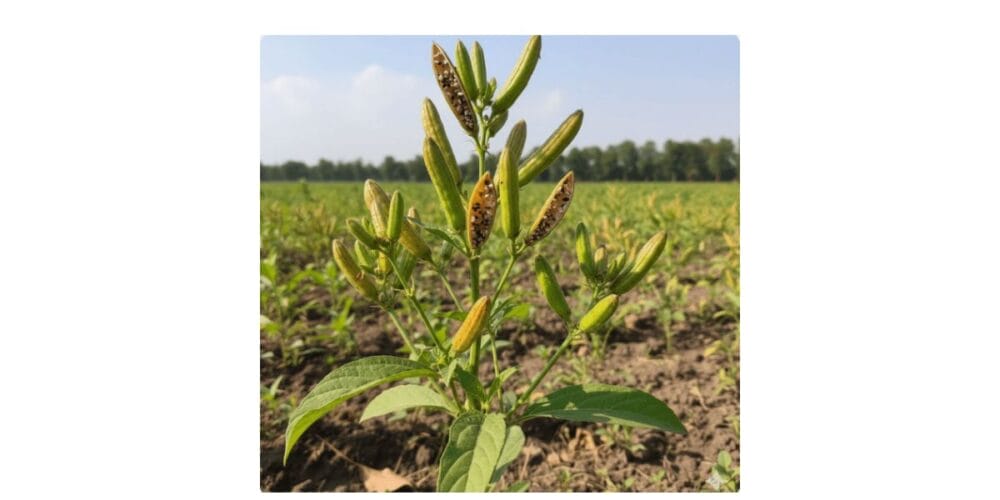
Always choose high-quality certified seeds of improved varieties for better productivity.
Recommended Sesame Varieties:
- TKG-22
- RT-346
- GT-10
- TMV-7
- Swetha Til
Seed Rate:
- Rainfed condition: 3–4 kg per hectare
- Irrigated condition: 2–2.5 kg per hectare
Seed Treatment:
Treat seeds with:
- Trichoderma viride @ 4 g/kg seed
or - Carbendazim @ 2 g/kg seed
This helps protect seedlings from soil-borne diseases and improves germination rate.
Sowing Method and Spacing
Sesame seeds are small, so proper spacing is crucial for uniform growth.
- Sowing Depth: 2–3 cm
- Row Spacing: 30–45 cm
- Plant Spacing: 10–15 cm
Sowing can be done by broadcasting or line sowing. However, line sowing is recommended for better crop management and higher yield.
Fertilizer Management
Balanced nutrient application improves seed yield and oil content.
Recommended Fertilizer Dose per Hectare:
- Nitrogen (N): 30–40 kg
- Phosphorus (P₂O₅): 20–30 kg
- Potassium (K₂O): 20 kg
Apply:
- Half dose of Nitrogen and full dose of Phosphorus and Potassium at the time of sowing
- Remaining Nitrogen after 30 days of sowing
Foliar spray of micronutrients like Zinc and Boron during flowering stage helps in better capsule formation.
Irrigation Management
Sesame is a drought-tolerant crop but responds well to timely irrigation.
Critical stages for irrigation:
- Germination stage
- Flowering stage
- Capsule formation stage
Avoid over-irrigation, especially during maturity, as it may cause root rot and reduced seed quality.
Weed Management
Weeds compete with sesame plants for nutrients, moisture, and sunlight.
- First weeding: 15–20 days after sowing
- Second weeding: 30–35 days after sowing
You may also apply pre-emergence herbicide like Pendimethalin @ 1 kg/ha for effective weed control.
Also Read: How to Grow Stone Flower (Kalpasi) at Home: A Complete Cultivation Guide for Beginners
Pest and Disease Management
Common pests affecting sesame include:
- Leaf roller
- Gall fly
- Aphids
- Jassids
Control measures:
- Spray Neem oil @ 5 ml/litre of water
- Use Imidacloprid 17.8 SL @ 0.3 ml/litre for sucking pests
Common diseases:
- Root rot
- Leaf spot
- Powdery mildew
Use appropriate fungicides such as Mancozeb @ 2 g/litre for disease control.
Harvesting and Yield
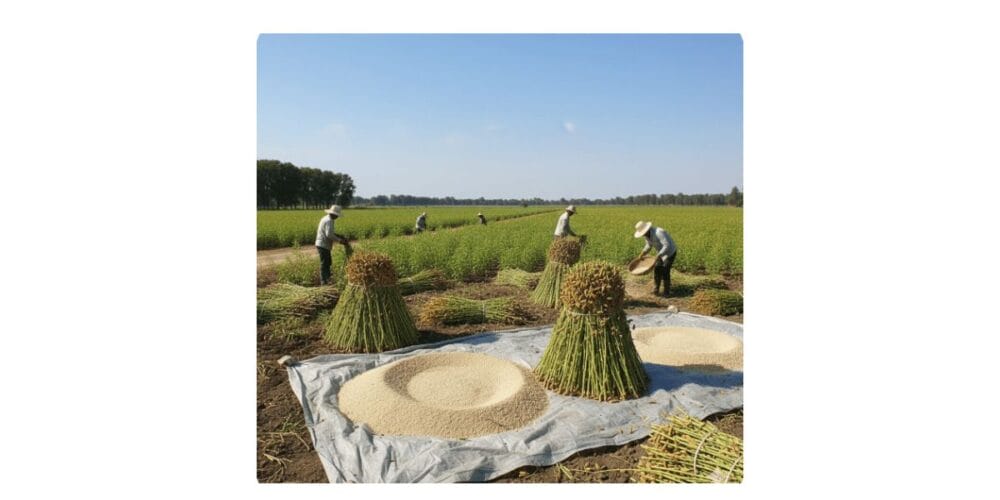
Sesame crop matures within 80–100 days after sowing.
Signs of maturity:
- Leaves turn yellow and start shedding
- Capsules turn brown and begin to split
Harvest the crop before complete drying to avoid seed shattering.
Average Yield:
- Rainfed crop: 400–600 kg per hectare
- Irrigated crop: 800–1000 kg per hectare
Alternate Crops for Rotation
Crop rotation with the following improves soil fertility:
- Green gram
- Black gram
- Groundnut
- Maize
Frequently Asked Questions (FAQs)
Q1. Is sesame suitable for dryland farming?
Yes, sesame is highly drought-tolerant and suitable for rainfed areas.
Q2. How long does sesame take to grow?
Sesame typically takes about 80–100 days from sowing to harvesting.
Q3. Which fertilizer is best for sesame?
A balanced NPK dose along with micronutrients like Zinc and Boron gives the best results.
Also Read: How to Grow Gallnut (Majuphal): A Complete Cultivation Guide for High-Value Medicinal Farming
Final Thoughts
Sesame cultivation is a profitable option for farmers due to its low water requirement, minimal input cost, and high market demand. By following proper agronomic practices such as quality seed selection, balanced fertilization, timely irrigation, and pest management, farmers can achieve higher yield and better oil quality.
With the right planning and care, sesame farming can become a sustainable and income-generating crop for both small and large-scale farmers.
-

-

-
-
-
-

-

-

-
-
-
-
-
-

-
-
-

-
-

-

-
-
-
-
-
-
-
-
-

-
-
-

-
-
-
-
-

-

-
-
-

-

-
-

-

-

-
-
-
-