How to Start a Dairy Farm
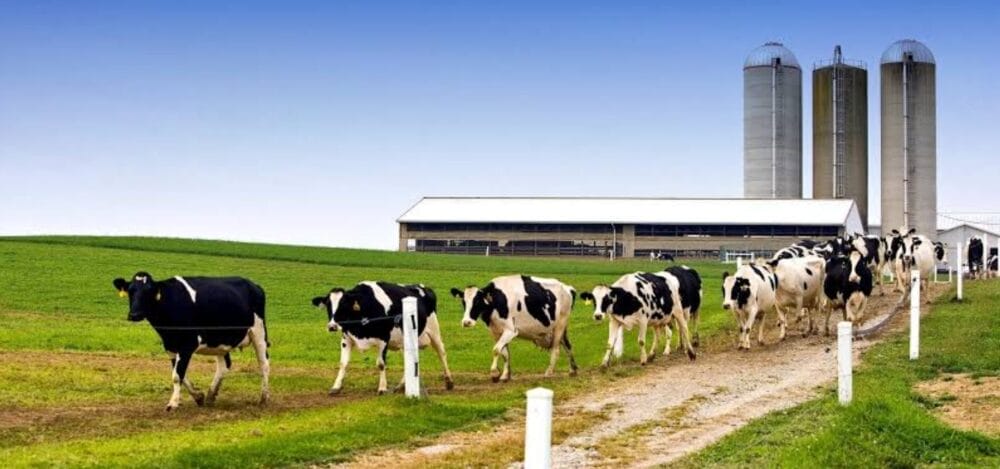
Dairy farming is one of the most profitable and sustainable agricultural businesses in India. With rising demand for milk and milk products such as curd, paneer, butter, and ghee, starting a dairy farm can provide a steady source of income for farmers and entrepreneurs.
However, success in dairy farming requires proper planning, animal care, and management. This guide explains step-by-step how to start a dairy farm successfully.
Here is a short and clear table on How to Start a Dairy Farming Business:
| Step | Description |
|---|---|
| Business Planning | Decide farm size, budget, location, and target market |
| Land Selection | Choose clean land with good water and road access |
| Breed Selection | Select high-yield breeds like Jersey, Holstein, Gir, or Sahiwal |
| Housing Setup | Build well-ventilated sheds with proper drainage |
| Feed & Fodder | Arrange green fodder, dry fodder, and concentrate feed |
| Water Supply | Ensure clean and continuous drinking water |
| Healthcare | Vaccination, deworming, and regular veterinary checkups |
| Labor Management | Hire trained workers for milking and animal care |
| Milking System | Use hygienic hand or machine milking methods |
| Marketing | Sell milk to cooperatives, retailers, or directly to customers |
| Government Support | Apply for subsidies, loans, and insurance schemes |
| Record Keeping | Maintain records of milk yield, expenses, and health |
1. Understand the Dairy Farming Business
Before starting a dairy farm, it is important to understand the nature of the business. Dairy farming involves breeding, raising, and managing milk-producing animals such as cows and buffaloes. The profitability depends on factors like milk yield, animal health, feed quality, and market access. Beginners should start small and gradually expand as they gain experience.
2. Choose the Right Location
Selecting a suitable location is a crucial step in starting a dairy farm. The farm should have:
- Good availability of clean water
- Proper drainage system
- Easy access to veterinary services
- Nearby market or milk collection center
- Adequate space for animal movement and fodder storage
Rural or semi-rural areas are ideal because land and labor costs are lower.
3. Select the Best Dairy Animals
Choosing high-yielding and healthy animals directly affects milk production and profit. In India, popular dairy breeds include:
Cows:
- Holstein Friesian
- Jersey
- Gir
- Sahiwal
Buffaloes:
- Murrah
- Mehsana
- Jaffarabadi
Buy animals from reputed breeders and ensure they are disease-free, vaccinated, and in good physical condition.
Also Read : Poultry Farming Business Plan: A Complete Guide for Profitable Business
4. Build Proper Housing and Shelter
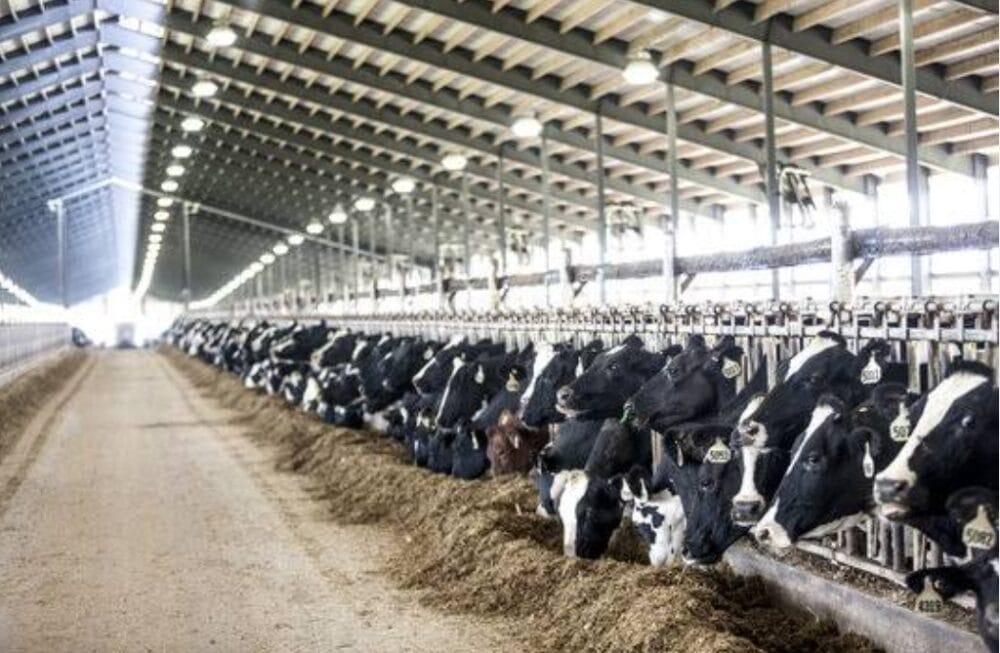
Dairy animals need comfortable and hygienic shelter. A well-designed dairy shed should:
- Protect animals from heat, rain, and cold
- Have proper ventilation and sunlight
- Include separate areas for milking, feeding, and resting
- Be easy to clean and disinfect
Clean housing reduces disease risk and improves milk yield.
5. Arrange Quality Feed and Nutrition
Balanced nutrition is essential for high milk production. Dairy animals require:
- Green fodder (grass, maize, berseem)
- Dry fodder (hay, straw)
- Concentrate feed (grains, oil cakes, minerals)
- Clean drinking water
Providing mineral mixtures and salt improves animal health and milk quality.

6. Focus on Animal Health and Care
Healthy animals produce more milk and have a longer productive life. Regular veterinary check-ups, timely vaccination, and deworming are essential. Maintain proper hygiene during milking to prevent infections like mastitis. Keeping farm records for breeding, health, and milk production helps in better management.
7. Milking and Milk Storage
Milking should be done at fixed times every day to maintain consistency. Use clean hands or milking machines to avoid contamination. Milk should be stored in clean containers and cooled immediately to maintain quality. Proper storage increases shelf life and market value.
8. Marketing and Selling Milk
Milk can be sold through:
- Local milk cooperatives
- Dairy processing plants
- Direct sale to households
- Local markets or retailers
Direct marketing often provides higher profit margins. Value-added products like curd, paneer, and ghee can further increase income.
Also Read:Vermicompost Business Plan: A Profitable Organic Farming Opportunity
9. Estimate Investment and Profit
Initial investment includes animal purchase, shed construction, feed, equipment, and labor. Government schemes, bank loans, and subsidies are available to support dairy farmers in India. With good management, a dairy farm can start generating profit within 6–12 months.
10. Government Support and Training
Many government departments and agricultural universities provide training programs on dairy farming. Schemes like NABARD dairy loans and subsidies help reduce financial burden. Proper training improves efficiency and reduces risks.
Conclusion
Starting a dairy farm can be a rewarding and profitable venture if planned properly. From selecting the right animals to providing quality feed and healthcare, every step plays a vital role in success. With growing demand for milk, dairy farming offers long-term income stability and employment opportunities. Beginners should focus on learning, maintaining quality, and expanding gradually for sustainable growth.
Frequently Asked Questions (FAQ)
Q1. How many cows are needed to start a dairy farm?
You can start a small dairy farm with 2–5 cows or buffaloes and increase gradually.
Q2. Which is better for dairy farming: cow or buffalo?
Cows give more quantity of milk, while buffalo milk has higher fat content. The choice depends on market demand.
Q3. How much land is required for a dairy farm?
A small dairy farm can be started on as little as 0.5–1 acre, including space for fodder cultivation.
Q4. Is dairy farming profitable in India?
Yes, dairy farming is profitable if managed properly with good breeds, nutrition, and marketing.
Q5. Are government subsidies available for dairy farming?
Yes, various subsidies and loans are available through NABARD and state government schemes.
Q6. What is the biggest challenge in dairy farming?
Maintaining animal health, managing feed costs, and ensuring consistent milk quality are major challenges.
Also Read:Dairy farming
-

-

-

-

-

-

-

-

-

-
-

-

-
-

-

-
-

-

-

-

-

-

-

-

-

-

-

-

-

-

-

-

-

-
-

-

-

-

-

-
-

-

-

-

-

-

-

-

-

-