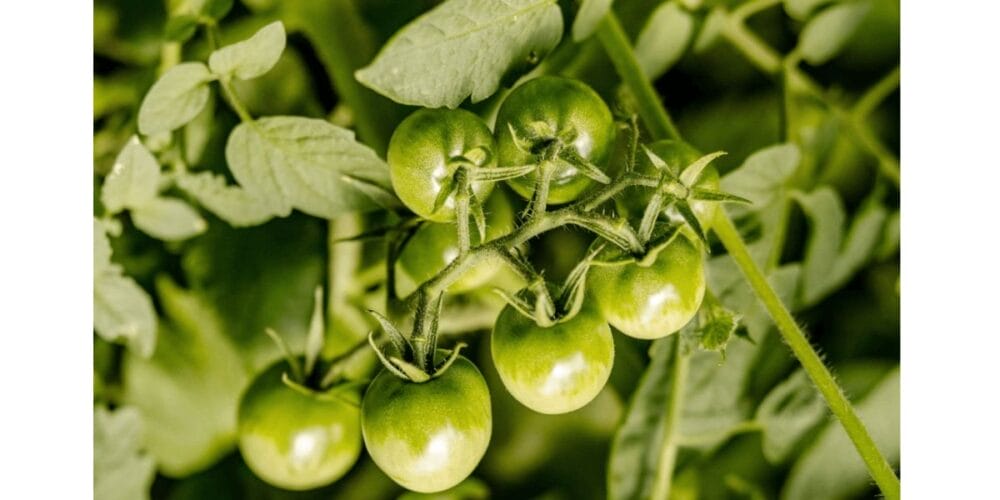
How Often to Fertilise Your Tomato Plants
Tomatoes are heavy feeders that reward proper nutrition with vigorous growth, lush foliage, and abundant, flavorful fruits. One of the most common questions gardeners ask is: how often should you fertilise tomato plants? The answer depends on the plant’s growth stage, soil quality, and the type of fertiliser used.
In this guide, we’ll break down exactly when and how often to fertilise tomatoes for the best results.
Why Fertilising Tomatoes Is Important
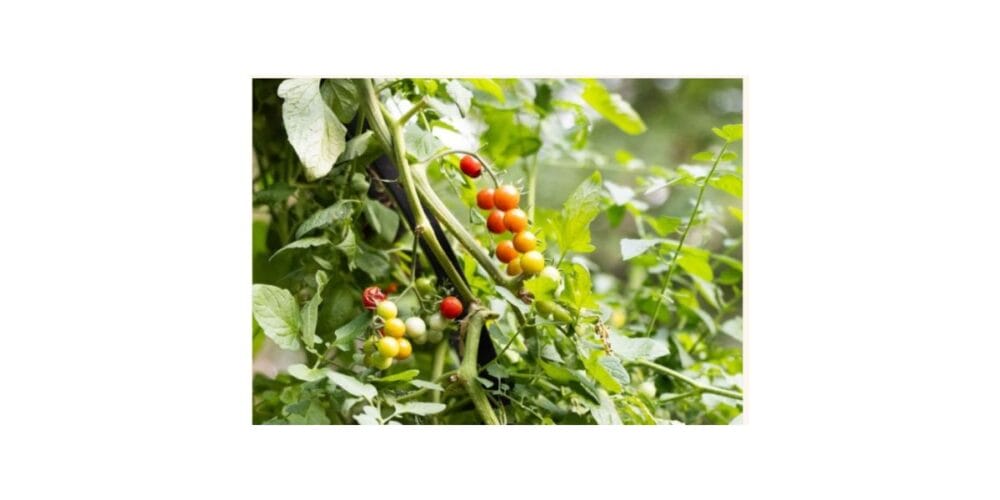
Tomato plants require a steady supply of essential nutrients like nitrogen (N), phosphorus (P), potassium (K), calcium, magnesium, and micronutrients. Without proper fertilisation, plants may suffer from:
- Weak or stunted growth
- Yellowing leaves
- Poor flowering and fruit set
- Blossom end rot and nutrient deficiencies
Regular fertilising ensures healthy roots, strong stems, improved disease resistance, and higher yields throughout the growing season.
Also Read: Why Tomato Cages Are Actually Terrible
Understanding Tomato Growth Stages and Nutrient Needs
Tomatoes don’t need the same nutrients at every stage. Knowing what your plant needs helps determine how often to fertilise.
1. Before Planting (Soil Preparation)
Before transplanting tomato seedlings, enrich the soil with organic matter such as compost or well-rotted manure. This provides a slow-release nutrient base.
Fertilising frequency:
- Once, 1–2 weeks before planting
Recommended nutrients:
- Balanced fertiliser (10-10-10 or similar)
- Organic compost or vermicompost
2. After Transplanting (Early Growth Stage)
Once seedlings are planted, allow them time to establish roots before feeding heavily.
Fertilising frequency:
- First feeding: 10–14 days after transplanting
Recommended nutrients:
- Light dose of balanced or low-nitrogen fertiliser
- Avoid overfeeding nitrogen at this stage
Excess nitrogen early on can lead to lots of leaves but weak root development.
3. Vegetative Growth Stage
As tomato plants begin rapid growth, they require more nutrients to support leaf and stem development.
Fertilising frequency:
- Every 2–3 weeks
Recommended nutrients:
- Balanced NPK fertiliser
- Organic liquid feeds like compost tea or fish emulsion
At this stage, plants should look green, upright, and vigorous without excessive leafiness.
4. Flowering Stage
Flowering is a critical phase when nutrient balance becomes very important.
Fertilising frequency:
- Every 2–3 weeks
Recommended nutrients:
- Fertiliser with lower nitrogen and higher phosphorus
- Add micronutrients like boron and zinc if needed
Too much nitrogen during flowering may reduce blossoms and delay fruiting.
Also Read: Guide to Planting and Growing Salvia
5. Fruiting Stage (Most Important Phase)
This is when tomatoes need consistent feeding to support fruit development, size, and flavor.
Fertilising frequency:
- Every 1–2 weeks
Recommended nutrients:
- Potassium-rich fertiliser
- Calcium and magnesium supplements
Potassium improves fruit quality and taste, while calcium helps prevent blossom end rot.
How Often to Fertilise Tomatoes in Containers vs Garden Beds
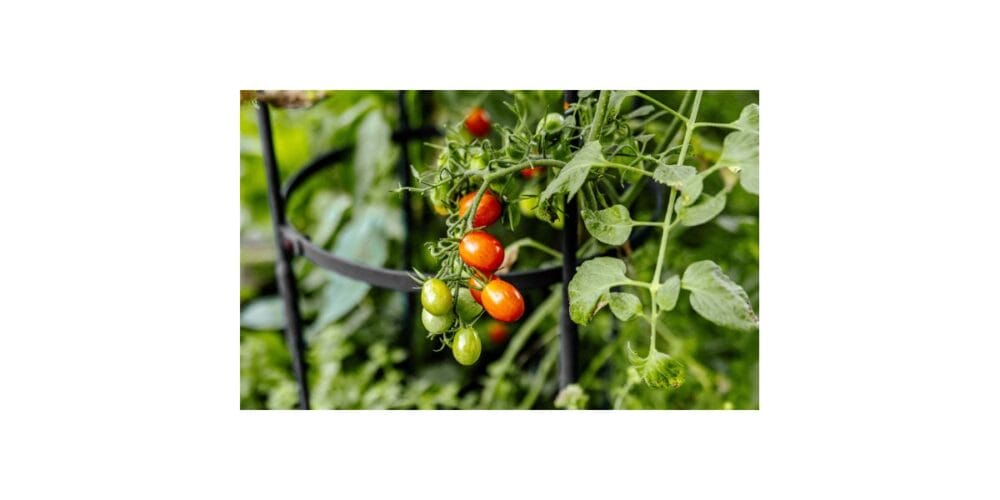
Container-Grown Tomatoes
Container plants lose nutrients faster due to frequent watering.
Fertilising frequency:
- Every 7–10 days with liquid fertiliser
Use slow-release fertilisers combined with liquid feeds for best results.
Garden-Grown Tomatoes
Soil retains nutrients longer, especially if rich in organic matter.
Fertilising frequency:
- Every 2–3 weeks
Always test or observe soil health before increasing feeding frequency.
Organic vs Chemical Fertilisers: Does Frequency Change?
Organic Fertilisers
- Release nutrients slowly
- Improve soil structure
- Safer against overfertilisation
Frequency:
- Every 2–3 weeks
Examples include compost, vermicompost, bone meal, seaweed extract, and neem cake.
Chemical Fertilisers
- Fast-acting
- Higher risk of nutrient burn
Frequency:
- Every 1–2 weeks in diluted form
Always follow label instructions to avoid damaging plants.
Signs You May Be Over- or Under-Fertilising

Over-Fertilising Symptoms
- Excessive leafy growth
- Few flowers or fruits
- Leaf burn or curling
Under-Fertilising Symptoms
- Pale or yellow leaves
- Slow growth
- Small or poor-quality fruits
Adjust fertilising frequency based on plant appearance and performance.
Also Read: The Complete Guide to Growing Beets from Seed to Harvest
Best Practices for Fertilising Tomato Plants
- Water plants before applying fertiliser
- Avoid fertilising during extreme heat
- Apply fertiliser at the base, not on leaves
- Mulch to retain moisture and nutrients
- Rotate fertilisers for balanced nutrition
Final Thoughts
So, how often should you fertilise tomato plants? In general, fertilise lightly but consistently—every 2–3 weeks in garden soil and every 7–10 days for container tomatoes, increasing frequency during flowering and fruiting. The key is understanding your plant’s growth stage and adjusting nutrients accordingly.
With proper fertilisation, your tomato plants will reward you with healthier growth, higher yields, and delicious, homegrown tomatoes all season long.
Also Read: About How Often to Fertilise Your Tomato Plants on gardenary.com Site
-

-

-
-
-
-

-

-

-

-
-
-
-

-

-

-

-

-

-

-

-
-

-

-

-

-
-
-

-

-

-

-

-
-

-

-
-

-

-

-

-

-

-

-

-

-

-

-

-

-