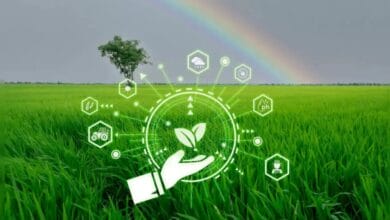
Digital transformation has been placed at the core of agriculture policy in Türkiye, according to a recent report by Hürriyet Daily News, highlighting the government’s push to modernize farming through advanced technologies.
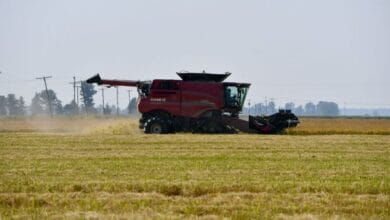
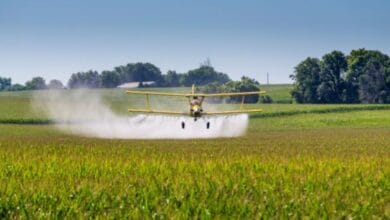
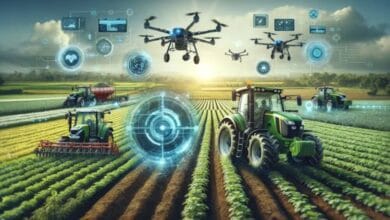
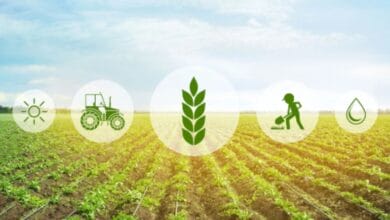
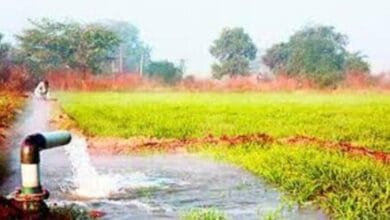
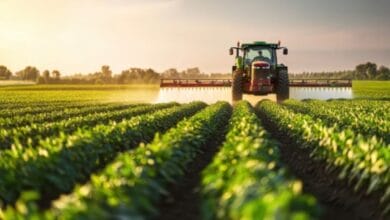
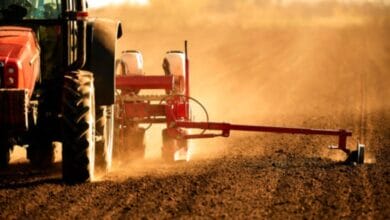
The country’s Agriculture and Forestry Ministry has declared digitalisation a strategic priority for 2026, aiming to integrate cutting-edge tools across crop production, livestock management, irrigation and fisheries. Technologies such as autonomous farming vehicles, precision agriculture systems, robotic applications, smart irrigation and greenhouse automation are being promoted to enhance efficiency throughout the agricultural value chain.
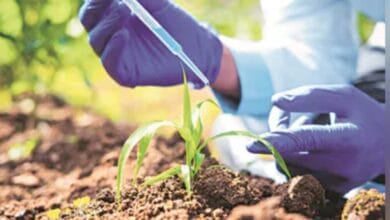
Artificial intelligence (AI) is expected to play a transformative role in this shift. Authorities plan to accelerate AI-driven applications in plant production, livestock and aquaculture, while also preparing a national AI strategy document tailored to agriculture. A key initiative includes the launch of Türkiye’s first Digital Soil Map, which will provide real-time, data-driven insights for land-use planning and policymaking.
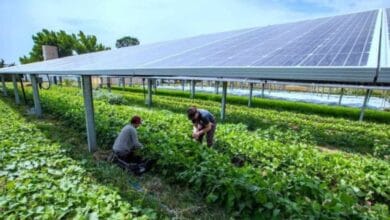
To support innovation, a new Artificial Intelligence and Agricultural Technologies Research Center will be established, fostering collaboration among government bodies, universities, research institutes and private firms. Satellite monitoring, sensor-based systems and renewable energy solutions are also being incorporated into farming practices.
Also Read: How to Grow Nigella Seeds – Complete Cultivation Guide
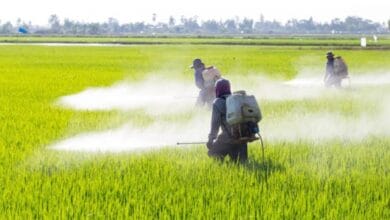
The program is being coordinated by the General Directorate of Agricultural Research and Policies (TAGEM), which is consolidating data from national and international projects to guide decision-making. Officials believe that embedding digital technologies across cultivation, irrigation, harvesting and storage processes will significantly boost productivity while conserving natural resources.
The initiative ultimately aims to strengthen food security, improve sustainability and help farmers adapt to climate change, marking a shift toward a high-tech, data-driven agricultural ecosystem.
Also Read: 7 Poor Habits That Drain Your Brain and Hurt Productivity (And How to Fix Them)
-

-
-
-
-

-

-
-

-

-
-

-
-
-

-
-

-

-
-
-
-

-
-
-
-

-

-
-
-
-
-

-

-

-
-
-
-
-
-
-
-
-
-

-

-
-
-
-
-

-