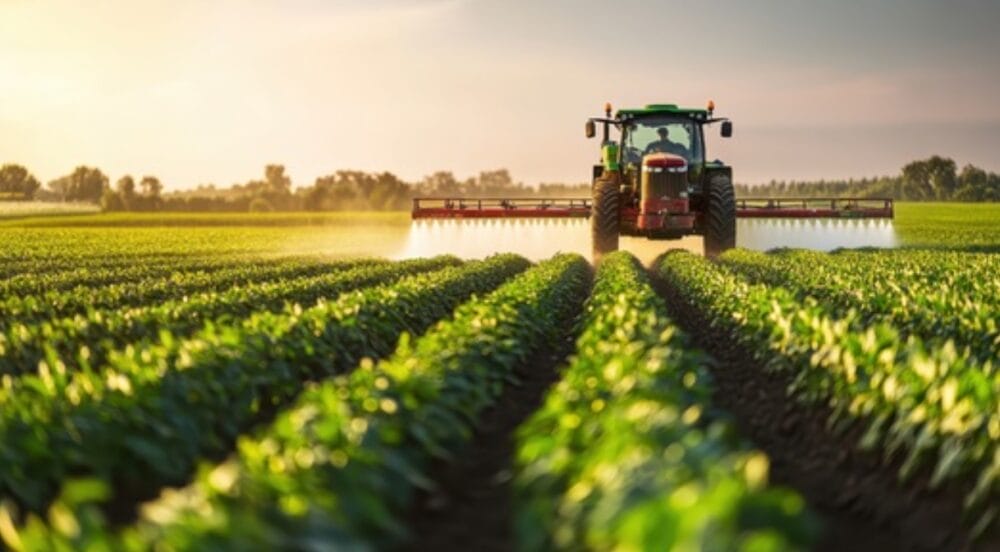
Climate-resilient agriculture may boost farmers’ incomes: European Environment Agency
The European Environment Agency (EEA) has highlighted that adopting climate-resilient agricultural practices could help stabilise and even improve farmers’ incomes across Europe, while also strengthening food security and environmental sustainability.
In a briefing released on March 17, 2026, the agency noted that Europe’s farming sector is facing mounting pressure from climate change, soil degradation and rising input costs such as fertilisers, energy and irrigation. These challenges have already affected farm productivity and profitability, making adaptation increasingly urgent.
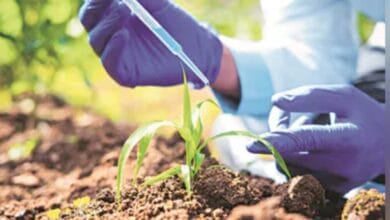
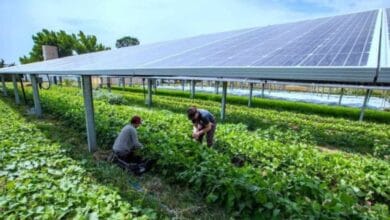
The EEA’s analysis, based on 51 farm-level case studies across countries ranging from the United Kingdom to Ukraine, found that climate-resilient practices can reduce vulnerability to climate shocks and ensure long-term economic viability. Such approaches include improved soil and water management, diversification of crops, better landscape planning and redesign of livestock systems.
Importantly, the report emphasises that these practices not only protect ecosystems but also support income stability for farmers by reducing risks linked to extreme weather and market volatility. Climate-resilient agriculture is described as a “systemic strategy” that combines on-farm changes with supportive economic policies and governance frameworks.
However, the agency stressed that transitioning to such systems will require targeted investments, stronger policy support and improved advisory services. Current funding levels and policy frameworks are considered insufficient to fully enable the shift.
Also Read: How to Grow Bay Leaf (Complete Cultivation Guide)
The findings come amid growing evidence that climate change is already costing European agriculture billions annually due to extreme weather events. Experts say scaling up resilience measures will be critical to safeguard farmers’ livelihoods and ensure sustainable food production in the long term.
Also Read: health benefits
-

-

-

-
-

-

-
-

-

-
-

-

-

-

-

-

-

-
-
-

-

-
-
-

-

-

-

-
-
-
-

-

-

-
-
-
-
-
-
-
-
-

-

-

-
-
-
-

-

-