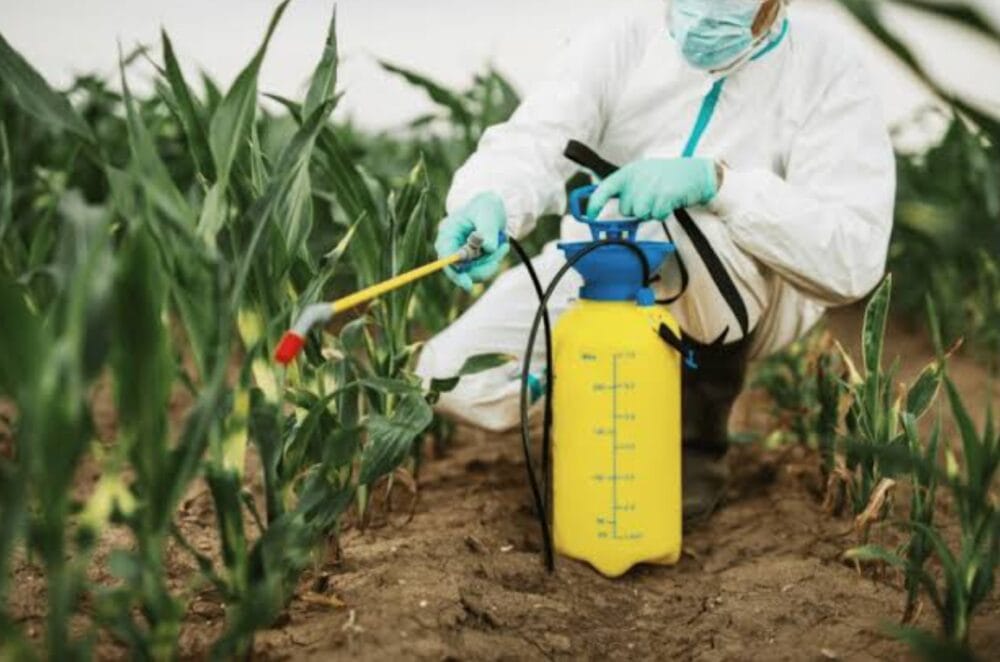
The global soybean nematode control insecticides market is poised for steady growth over the next decade, driven by rising pest pressure and increasing demand for higher crop productivity, according to a recent report published on openPR.com.
The report highlights that the market is expected to expand from approximately USD 770.4 million in 2026 to nearly USD 1.5 billion by 2036, registering a compound annual growth rate (CAGR) of around 7%. This growth reflects the growing urgency among farmers to tackle nematode infestations, particularly soybean cyst nematodes, which significantly damage plant root systems and reduce yields.
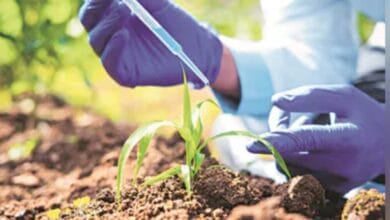
Nematodes, often referred to as “hidden pests,” pose a major threat to global soybean production by disrupting nutrient absorption and weakening plant health. As global demand for soybeans continues to rise for food, animal feed, and biofuel applications, effective pest management solutions are becoming increasingly critical.
Also Read: How to Grow Cobra Saffron: A Complete Cultivation Guide for Gardeners
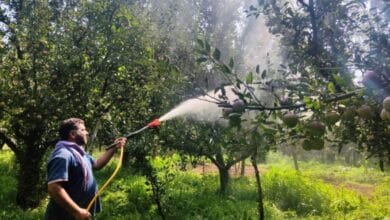
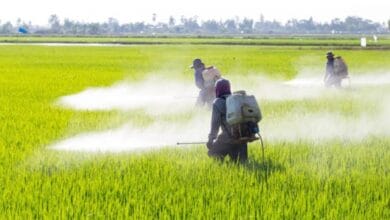
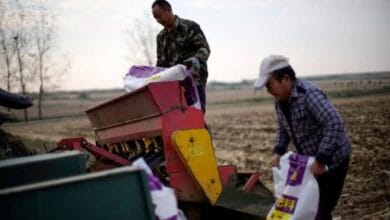
The report notes that chemical nematicides currently dominate the market due to their strong efficacy and cost-effectiveness, while biological alternatives are gradually gaining traction amid growing environmental concerns. Seed treatment remains the leading application method, offering early-stage protection and improved crop establishment.
Regionally, major soybean-producing areas such as North America, Latin America, and Asia-Pacific are expected to drive demand, supported by expanding agricultural activities and increasing awareness of crop protection strategies. Emerging markets like India and Brazil are also witnessing notable growth due to rising adoption of advanced farming practices.
Overall, the market outlook remains positive, with technological advancements, integrated pest management approaches, and sustainability trends expected to shape the future of soybean nematode control solutions.
Also Read: Best Foods And Drinks To Reduce Body Heat Naturally In Summer
-

-

-
-
-

-

-

-

-

-
-

-

-

-

-

-

-

-
-
-

-
-
-

-

-
-
-
-
-
-

-

-

-

-
-
-

-

-
-

-
-

-

-

-
-

-

-

-

-

-