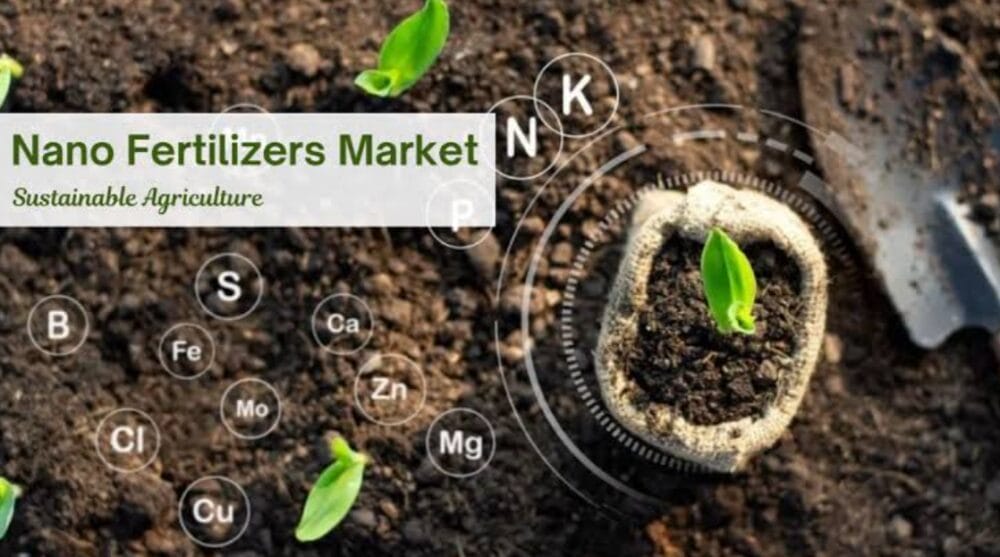
New Delhi, March 20: Adoption of nano-fertilisers in India is witnessing a sharp surge, driven by government policy support and parallel investments in drone-led agricultural transformation, according to official data released on Friday.
Cumulative sales of nano-fertilisers have reached over 1,593 lakh bottles (500 ml each) since their introduction, reflecting growing farmer acceptance of the technology. This includes more than 1,219 lakh bottles of nano urea and 374 lakh bottles of nano DAP, signalling a steady shift away from conventional fertilisers.
The government has also moved to formalise the sector by bringing 14 nano-fertiliser products under the Fertiliser Control Order (FCO), ensuring quality standards and accelerating commercial adoption.
Officials say nano-fertilisers improve nutrient efficiency and reduce input costs while minimising environmental impact, making them a key pillar of sustainable agriculture.
Also Read : Top 8 Micronutrient Fertilizers: Importance, Types, Benefits, and Application
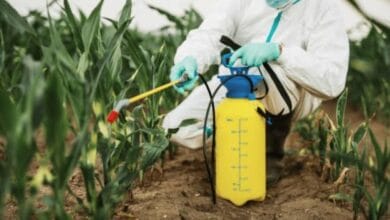
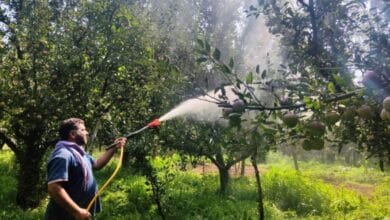
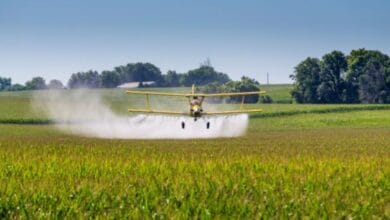
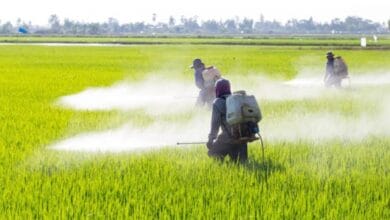
To complement this shift, the Centre is aggressively promoting drone-based application of fertilisers and pesticides. Under the Namo Drone Didi scheme, over 1,000 drones have been distributed to women self-help groups, with extensive pilot training provided to enable precision spraying.
In addition, thousands of field demonstrations conducted by agricultural institutions have showcased the effectiveness of drones in covering large areas quickly and reducing labour dependency.
The integration of nano-fertilisers with drone technology is emerging as a transformative model, enabling precise, targeted input delivery. The government believes this dual push will enhance productivity, cut subsidy burdens, and modernise Indian agriculture, particularly for small and marginal farmers.
Experts note that the combined adoption of these innovations could play a crucial role in achieving long-term sustainability and efficiency in the farm sector.
Also Read: agriculture
-

-

-
-
-

-

-

-

-

-
-

-

-

-

-

-

-

-
-
-
-

-
-
-

-

-

-
-

-
-
-

-

-

-
-

-

-

-
-

-
-

-

-

-
-

-

-

-

-

-